The demand for high-speed data transmission continues to rise. In recent years, the evolution of optical transceivers has played a crucial role. Among these, the 200G optical transceiver stands out as a key player in this transformation. According to a report from MarketsandMarkets, the optical transceiver market is expected to grow significantly, reaching USD 15 billion by 2025. This growth reflects the increasing need for efficient data centers and faster internet connectivity.
The 200G optical transceiver offers multiple advantages. It enables high data rates over long distances, reducing latency. Additionally, it supports larger bandwidths, which is vital as streaming and cloud services become more prevalent. The introduction of this technology has indeed bridged the gap between existing network infrastructure and future demands. However, deployment may present challenges, such as compatibility with legacy systems.
As industry standards evolve, adopting the 200G optical transceiver could redefine how organizations approach connectivity. Understanding its capabilities and potential hurdles is essential for making informed decisions. This technology possesses the power to enhance network performance and efficiency. Yet, the implementation phase requires careful planning and consideration of existing infrastructures.
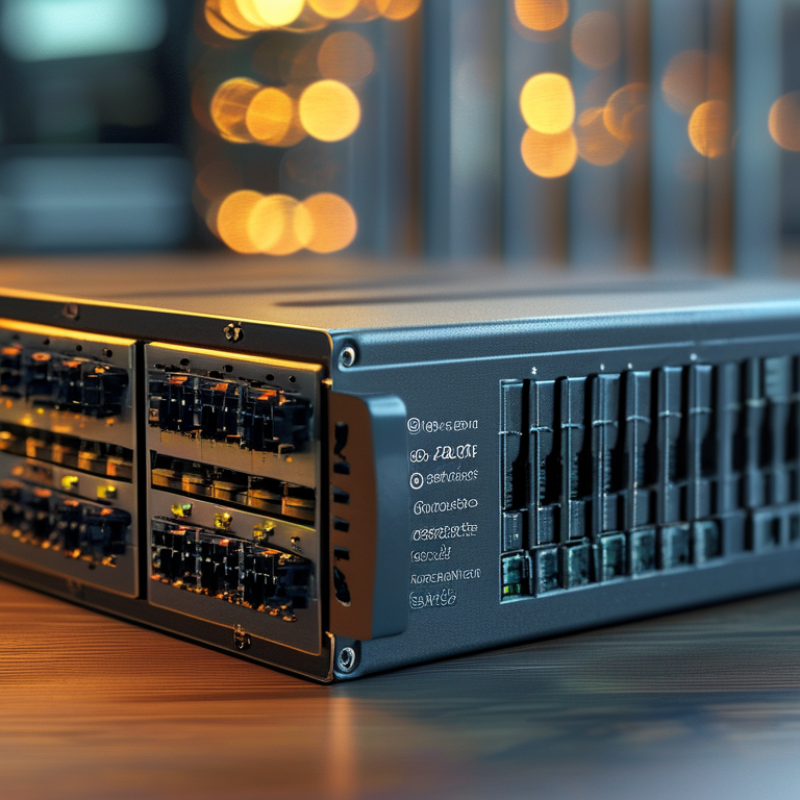
200G optical transceivers play a pivotal role in modern networking. These devices facilitate high-speed data transmission over optical fibers. They are critical for cloud services, data centers, and telecommunications networks. With growing data demands, understanding their basics becomes essential for any tech professional.
These transceivers support increased bandwidth without significant upgrades. They typically use advanced modulations to enhance performance. The modules can operate over long distances, making them versatile. However, integrating them into existing systems can be challenging. Companies must ensure compatibility with current infrastructure.
One significant benefit is their efficiency. They consume less power than previous generations. This efficiency helps organizations reduce operational costs. However, the complexity of installation and configuration may lead to errors if not handled carefully. Users should be prepared for a learning curve as they adapt to this technology.
200G optical transceivers have become a cornerstone of modern network infrastructure. They facilitate high-speed data transmission over optical fiber, supporting bandwidth-intensive applications. Understanding their key specifications helps in optimizing network performance. Often, a 200G transceiver operates at 200 gigabits per second, making it ideal for data centers and telecommunications.
These transceivers must adhere to specific standards like IEEE 802.3. Compliance with these standards ensures interoperability across various network devices. Furthermore, the performance metrics include a range of transmission distances, typically varying from 500 meters to several kilometers, depending on the type of fiber used. While this flexibility is advantageous, it also requires careful planning during deployment.
The physical form factor is another key specification. Popular types include QSFP56 and OSFP modules. These compact designs save space in equipment racks. However, challenges may arise in terms of heat dissipation and cabling management. Users sometimes overlook these aspects, leading to inefficient network setups. Observing best practices can mitigate these issues, ensuring that 200G transceivers deliver optimal performance.
The 200G optical transceiver is quickly becoming a game-changer in modern data centers. With the increasing demand for bandwidth, these transceivers deliver high-speed connectivity. They play a crucial role in supporting large data transfers and enabling efficient communication within cloud services.
One major advantage is their ability to reduce power consumption. Compared to older models, 200G transceivers use less energy for higher speeds. This efficiency can lead to significant cost savings for data center operators. Moreover, the compact design helps save space, which is essential in environments where real estate is costly.
However, transitioning to 200G technology can pose challenges. Not all infrastructure is ready for such high speeds. Data centers need to assess their existing networks and make necessary upgrades. This may require careful planning and investment. In the fast-evolving tech landscape, staying ahead can be difficult, but embracing 200G transceivers can yield significant benefits in the long run.
The market for 200G optical transceivers is rapidly evolving. Demand is driven by increasing bandwidth needs. High-speed data transmission supports cloud computing and 5G networks. Projections indicate significant growth in this sector over the next few years. Analysts expect a compound annual growth rate (CAGR) exceeding 20%. This growth reflects the urgency for faster, more efficient data transfer solutions.
Technological advancements play a crucial role in this expansion. Innovations such as coherent technology enhance data rates. This improvement allows for longer distances without signal degradation. However, integration can be complex. Organizations must evaluate compatibility with existing infrastructure. Reliability is essential in these transitions.
While the outlook is promising, challenges persist. Supply chain issues and component shortages can hinder growth. Companies must adapt to these fluctuations. Sustainability also emerges as a pressing concern. Businesses are exploring greener optics to mitigate environmental impact. Balancing performance with ecological responsibility will be key moving forward.
The chart above illustrates the projected growth of the 200G optical transceiver market from 2019 to 2025. As seen, the market size is expected to increase significantly, showcasing the rising demand and adoption of 200G transceivers in various applications.
When comparing 200G optical transceivers to their 100G counterparts, several key differences emerge. The 200G transceivers offer significantly higher bandwidth. This capability allows for more data to flow through network infrastructures. As data demands rise, especially in cloud computing and data centers, this increased capacity can alleviate bottlenecks. However, implementing 200G systems often requires upgrading existing infrastructure, which can pose challenges.
Latency is another area of concern. While 100G transceivers have been reliable, 200G options promise even lower latency. In applications like high-frequency trading, every millisecond counts. The improvement in speed can enhance performance for various applications. Yet, transitioning to these new technologies may introduce unforeseen complexities. Network engineers must carefully evaluate these factors.
Power consumption is often a point of discussion. The 200G transceivers may consume more power than 100G, depending on the technology used. Balancing performance and efficiency is crucial. Careful design can optimize power usage. Some organizations may overlook this detail during implementation. Ultimately, understanding both technologies allows for informed decisions regarding future transitions.
: They facilitate high-speed data transmission over optical fibers, essential for cloud services and data centers.
They consume less power than older models, leading to reduced operational costs for organizations.
No, integrating them can be challenging and requires compatibility checks with current infrastructure.
They offer higher bandwidth, allowing for larger data flows and alleviating bottlenecks in networks.
Infrastructure may need upgrades, which can require careful planning and investment, introducing complexities.
They promise lower latency than 100G, which is crucial for applications like high-frequency trading.
While 200G may consume more power, careful design can optimize usage, which is often overlooked.
It saves space in environments where real estate costs are high, making it more efficient.
Yes, adapting to this technology can be complex, and users may encounter installation errors.
Understanding them helps inform decisions about future transitions and investments in their tech infrastructure.
A 200G optical transceiver is a high-speed device that plays a crucial role in modern data communication, particularly in data centers that demand rapid data transfer and large bandwidth. Understanding the basics of these transceivers includes their key specifications and compliance with various standards that ensure reliable performance. The advantages of 200G optical transceivers over their predecessors, such as 100G models, are significant, offering higher data rates and improved energy efficiency, which are vital for handling the growing data traffic.
Market trends indicate strong growth projections for 200G transceivers as industries increasingly adopt advanced networking technologies. A comparative analysis reveals that while 100G transceivers have been established in the market, the shift towards 200G optical transceivers is driven by the need for enhanced performance and greater capacity to support emerging applications and services.

LumoWave