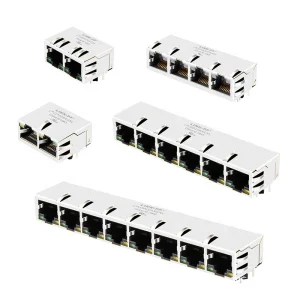
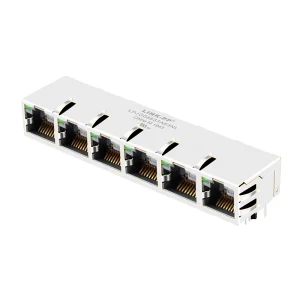
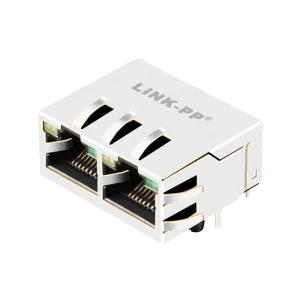
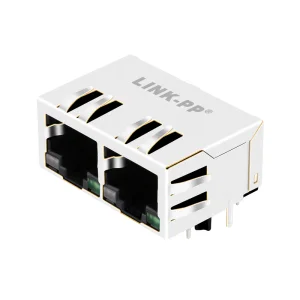
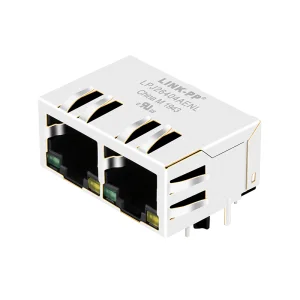
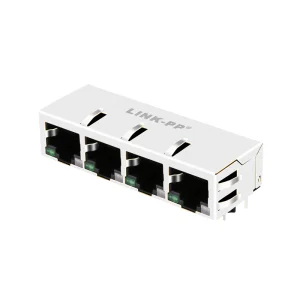
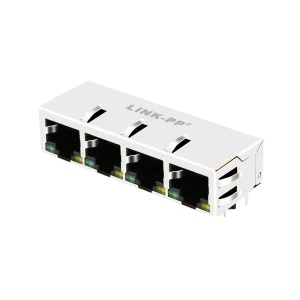
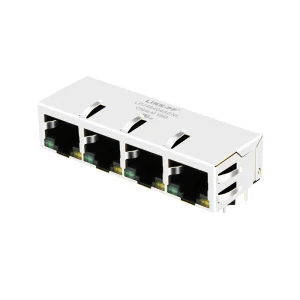
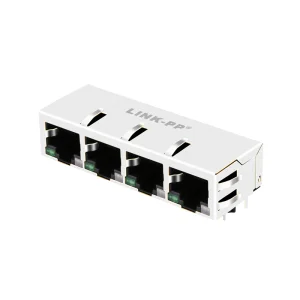
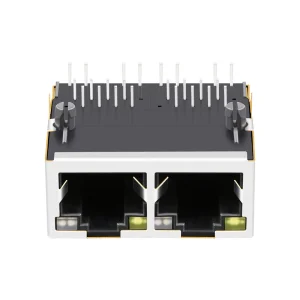
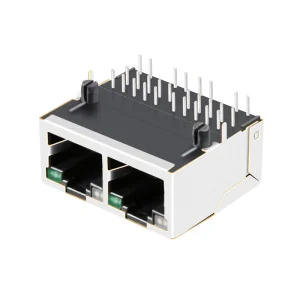
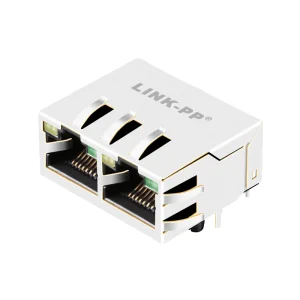
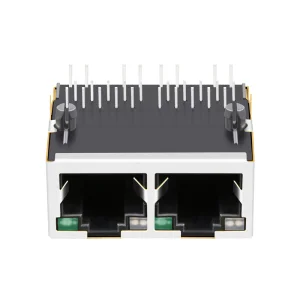
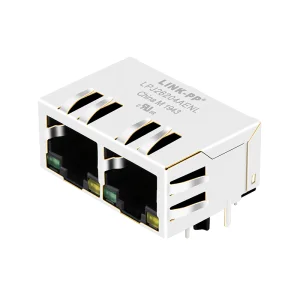
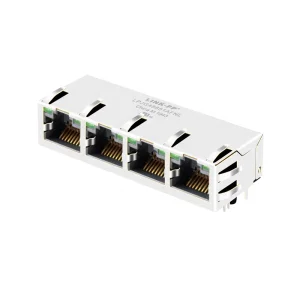
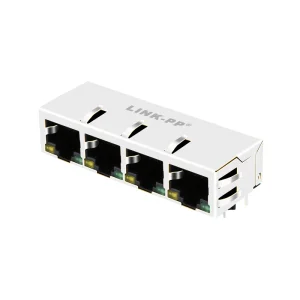
Explore our integrated magnetic, shielded, multi-port, and LED-configured female RJ45 connectors engineered for low loss and maximum noise immunity.
Analyzing the physical infrastructure enabling multi-gigabit speeds across modern industrial, telecom, and compute ecosystems.
In the era of hyper-scale networking and data expansion, physical layer interface reliability acts as the crucial gateway for communication architectures. The global demand for multi-port RJ45 connectors (commonly containing 1x2, 1x4, 1x6, 1x8, or stacked 2x2, 2x4, 2x8 configurations) has scaled exponentially. These robust systems are no longer just basic passive plastic housings; they are integrated units containing precise electromagnetic components, crosstalk cancellation filters, and Power over Ethernet (PoE) termination pathways. As networks migrate toward 2.5G, 5G, and 10G Base-T Ethernet rates, high-performance RJ45 female connectors serve as critical components in minimizing return loss and maintaining signal integrity under extreme conditions.
From a commercial standpoint, suppliers and exporters worldwide face a complex transition. Modern system builders demand integration: the transition from discrete magnetics (where filters are separated on the PCB) to integrated connector modules (ICMs or MagJacks). This integration saves up to 50% of PCB real estate and shields sensitive PHY chips from electromagnetic interference (EMI). Geographically, the market is driven by industrial IoT implementations in North America and Europe, alongside extensive telecommunications and GPON broadband rollouts across the APAC and Middle East regions. Suppliers must offer custom configurations, superior gold-plating thickness options (up to 50μ"), and optimized footprint footprints to meet high-vibration and thermal-cycling requirements.
LumoWave Optical Technology Co., Ltd. is a professional optical transceiver manufacturer specializing in high-speed fiber optic communication solutions for global data centers, telecom operators, and enterprise networking applications. Built under the brand LumoWave, the company is committed to delivering stable, high-performance, and cost-effective optical modules ranging from 10G to 800G, including SFP, QSFP, QSFP-DD, and coherent transmission solutions.
Founded in 2016, LumoWave has developed into a reliable OEM/ODM supplier with a modern production facility covering approximately 320,000㎡. The company generates an annual export revenue of around $12 million, with 8 years of export experience and 12 years of industry expertise in optical communication technologies.
LumoWave operates a comprehensive quality assurance system, including incoming material inspection (IQC), in-process quality control (IPQC), and final product testing (FQC). Advanced testing methods such as optical power testing, BER testing, wavelength accuracy testing, temperature cycling, and aging stress tests are strictly implemented to ensure product reliability. The company employs 45 dedicated quality control personnel to maintain strict compliance with international standards.
With a strong international trade background, LumoWave serves major markets including North America, Europe, Southeast Asia, and the Middle East. Its supply chain ecosystem includes more than 1,200 upstream and downstream partners, supporting scalable and flexible production capabilities. The company’s main customer base includes telecom operators, data center integrators, cloud service providers, system equipment manufacturers, and network solution providers. LumoWave also provides flexible customization options, including wavelength tuning, distance optimization, EEPROM programming, and private labeling services. Driven by strong innovation capabilities, LumoWave has a dedicated R&D team of 85 engineers, and released approximately 120 new product designs last year, focusing on next-generation high-speed transmission technologies and energy-efficient optical solutions.
LumoWave continues to invest in research and development, ensuring compatibility with evolving global network standards and maintaining its position as a trusted partner in the optical communication industry worldwide.
Decoding the shifts in connector materials, signal filtering technologies, and multi-gigabit compatibility pathways.
Standard passive jacks are insufficient at frequencies above 100 MHz. The adoption of Category 6A (up to 500 MHz) and Category 8 (up to 2000 MHz) requires advanced crosstalk compensation matrices inside the plastic modular housing. Future designs integrate localized impedance matching networks to curb High-Frequency return loss and near-end crosstalk (NEXT).
Modern smart-lighting, IP cameras, and Wi-Fi 7 access points utilize IEEE 802.3bt (PoE++) delivering up to 90W-100W of power over standard twisted-pair copper. This creates thermal pockets inside multi-port configurations. The roadmap focuses on contact alloy optimizations using custom bronze bases to withstand continuous current without contact degradation.
With high-density system configurations, electromagnetic interference (EMI) degrades network uptime. The usage of full-metal brass shields with multiple grounding tabs (PE pins) ensures robust chassis grounding. Additionally, mechanical design guidelines enforce strict coplanarity limits of less than 0.1mm to guarantee automated PCB reflow yield.
How multi-port RJ45 connectors solve key infrastructure challenges in distinct, real-world deployment sites.
High-density switches require maximum port count in a 1U chassis layout. Implementing 2x8 or 2x12 stacked multi-port RJ45 connectors with integrated magnetics allows system design teams to maximize performance while leaving space for active optical transceivers. Dual-color LEDs (Green/Yellow) display real-time physical link speeds and visual fault isolation metrics directly to local technicians.
In manufacturing lines, electrical noise from high-voltage motors corrupts communication signals. Industrial Ethernet networks rely on shielded multi-port RJ45 female connectors featuring specialized PCB grounding pins and thick nickel plating. Built to endure temperatures from -40°C to +85°C, these connectors survive heavy vibrations and prevent dust accumulation inside complex assembly machinery.
Home and business routers (CPE) need space-efficient, cost-optimized solutions. Using 1x2 or 1x4 horizontal harmonica jacks with integrated filter magnets eliminates the need for external inductive components. This decreases signal trace lengths on the PCB, prevents return loss failures, and helps OEMs meet FCC Part 15 and CISPR 22 electromagnetic emission limits.
In modern enterprise network architectures, copper and fiber transmission mediums co-exist to balance speed, reach, and economy. At the core of this system integration is the hybrid switch, where optical transceivers handle the high-speed backhaul, and multi-port RJ45 connectors terminate localized terminal connections. For instance, in a typical cloud infrastructure layout, SFP+ modules route 10Gbps data streams over optical fiber to the central distribution switches, while multi-port RJ45 female connectors distribute the traffic locally to computing nodes, server blades, or management consoles via Ethernet.
This hybrid design presents engineering challenges, particularly regarding EMI isolation and power delivery. High-speed optical transceivers operate using sensitive laser-diode drivers and photodetectors, which can be disrupted by high-frequency noise originating from adjacent copper ports or PoE circuits. As a result, implementing integrated MagJack connectors with premium isolation shielding is crucial. These components utilize specialized internal ferrite cores and common-mode chokes to suppress common-mode currents, ensuring that switching noise from the copper ports does not bleed into the fiber-optic transceivers' power rails.
For system integration teams, sourcing components from suppliers who understand both copper and optical interconnects is highly beneficial. Reliable signal conversion requires matching the physical footprints, mounting styles, and operating parameters of both RJ45 sockets and SFP cages. By standardizing mounting interfaces and ensuring unified quality testing (such as mechanical insertion force validation, coplanarity control, and high-temperature solder profile verification), manufacturers can minimize signal degradation at transition interfaces, ensuring reliable system performance for end-users.
Browse our selection of specialized modular jacks, single and multi-port female connectors, and customized network sockets.
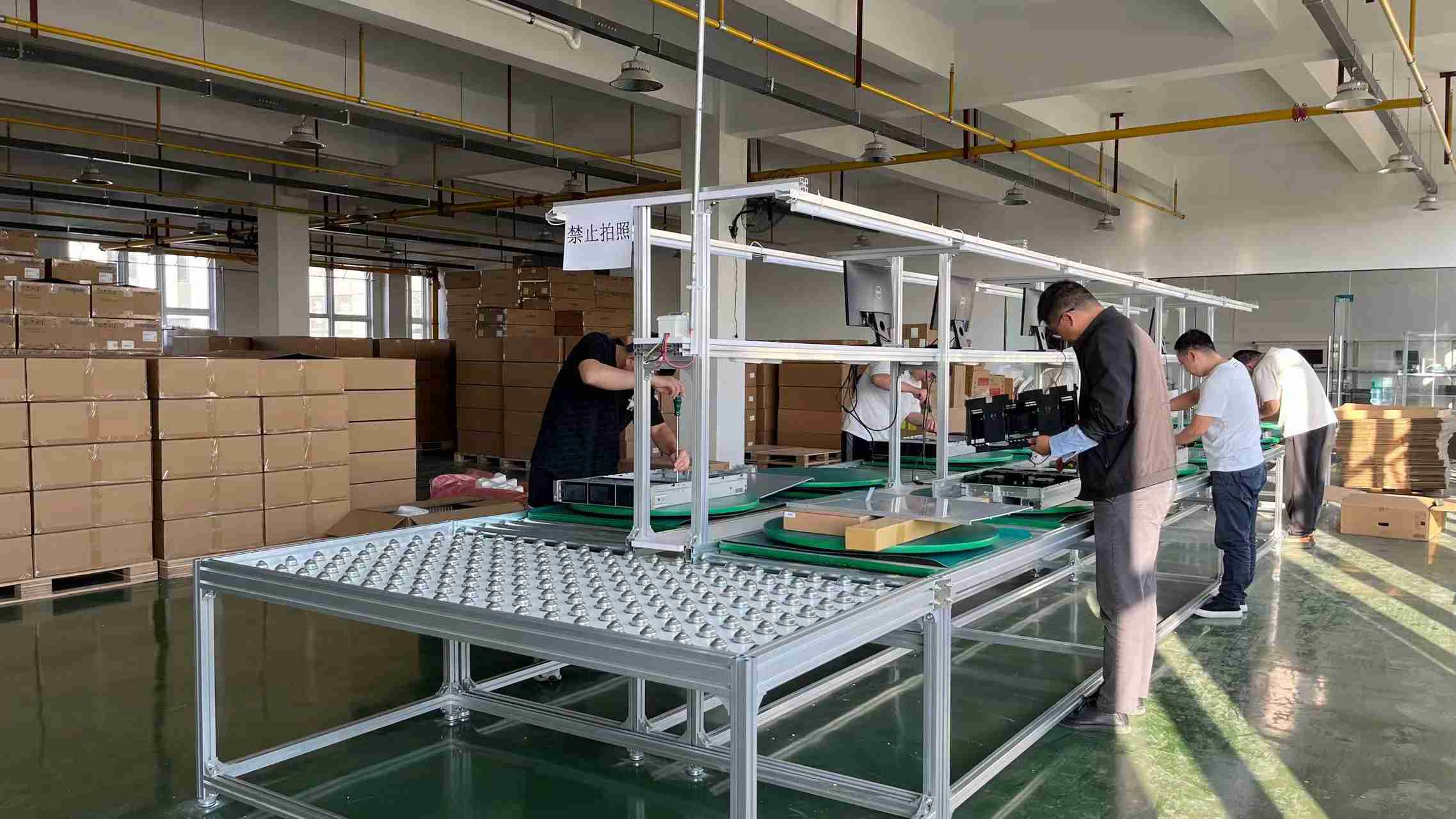
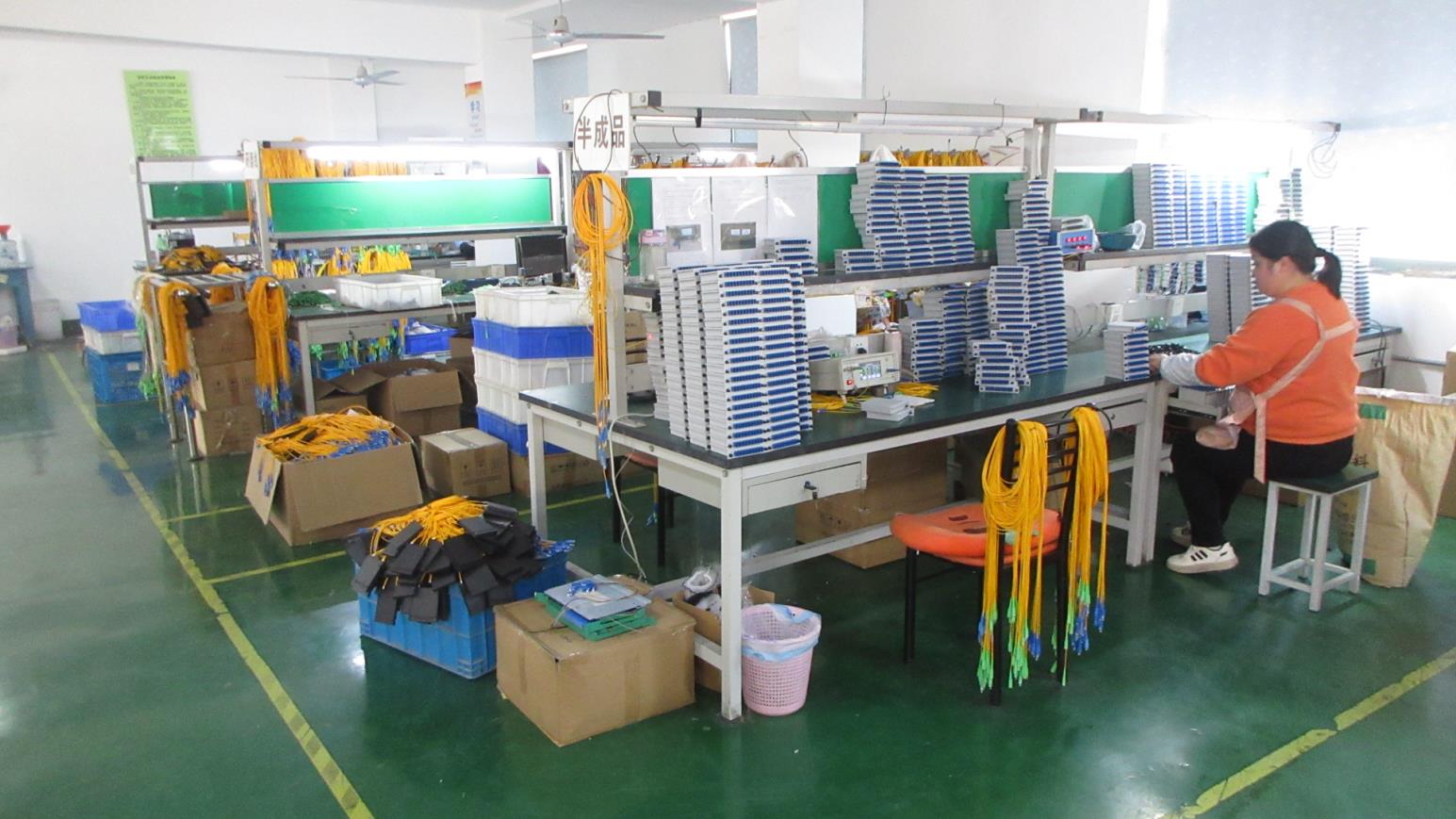
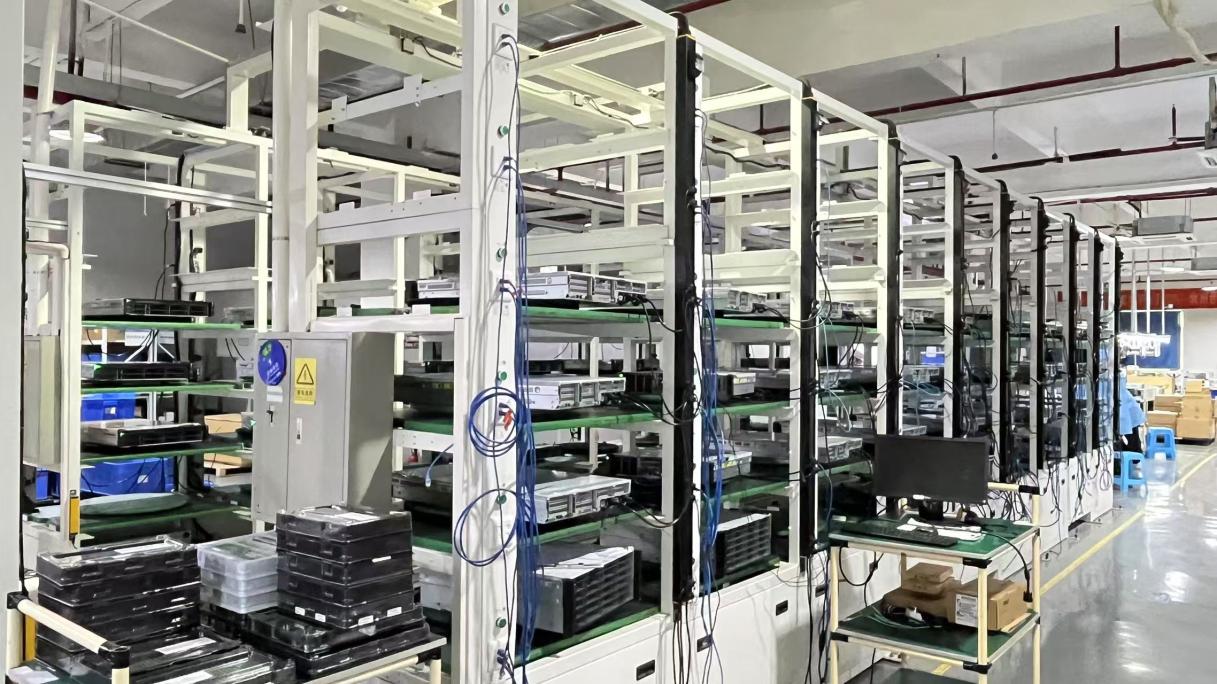
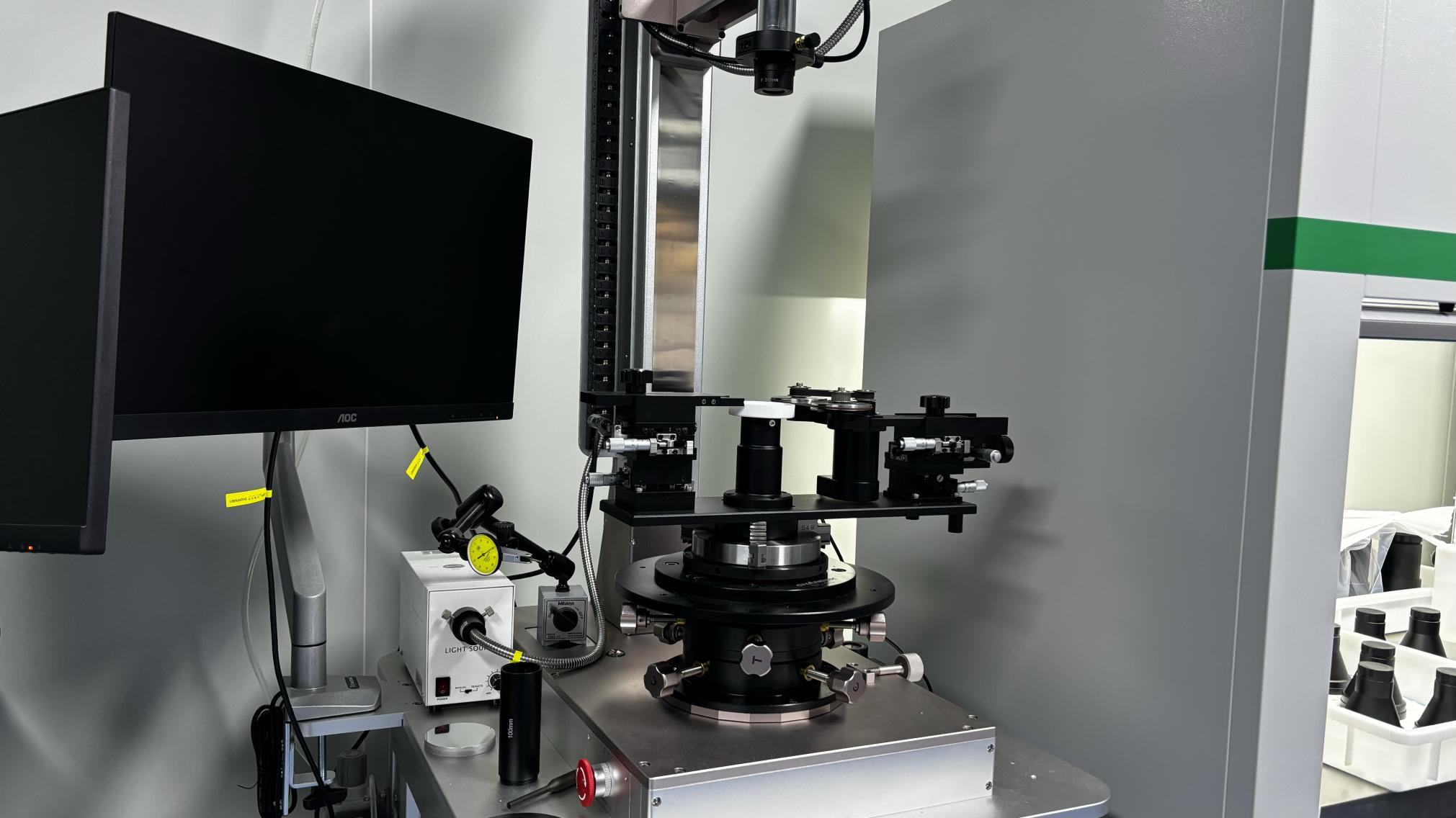
A preview of our advanced manufacturing site, high-precision assembly lines, and testing cleanrooms.



Expert answers addressing signal integrity, magnetics, layout constraints, and product cross-referencing.
 LumoWave