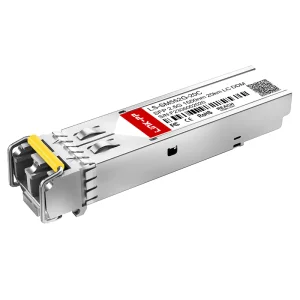
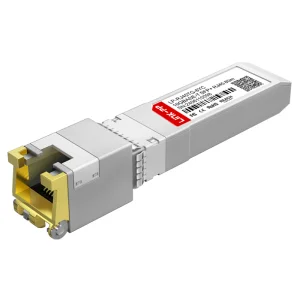
Explore our leading integrated RJ45 connectors, high-speed optical transceivers, and industrial network modules certified for next-generation networks.
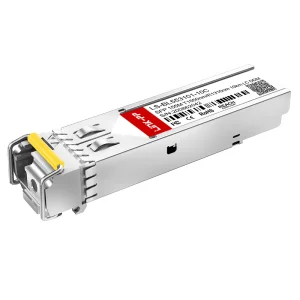
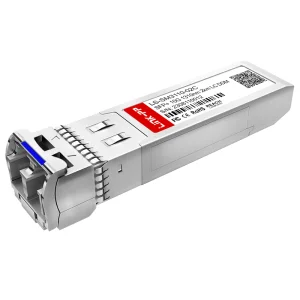
In modern telecommunications, data centers, and enterprise structures, bridging local network nodes to endpoint devices demands unmatched hardware reliability. LumoWave Optical Technology Co., Ltd. stands as a premier manufacturing pioneer. Operating under our global trademark LumoWave, we provide stable, scalable, and highly custom optical transceivers and copper ethernet solutions extending from 10G up to 800G, including SFP, QSFP, QSFP-DD, and coherent optical transmission architectures.
Established in 2016, LumoWave has scaled its operational capabilities into a massive, state-of-the-art 320,000㎡ production facility. Driven by 12 years of industry expertise and 8 years of global export experience, we manage an annual export portfolio exceeding $12 million. We don't just supply standard items; we build custom-tailored, multi-port RJ45 connectors, integrated magnetics, and advanced USB interface converters that keep global operators and hyper-scale data centers running efficiently.
Our multi-stage quality assurance model implements 100% incoming material inspection (IQC), strict in-process quality control (IPQC), and 100% final testing (FQC). Backed by 45 specialized quality inspectors, our equipment operates flawlessly under high-stress conditions.
Unveiling how physical layer convergence is changing in response to USB Type-C, USB4, and the rise of Multi-Gigabit networks.
Standard Gigabit Ethernet (1Gbps) no longer satisfies modern workloads. As Wi-Fi 6E/7 access points and network-attached storage (NAS) transition to 2.5Gbps and 10Gbps, RJ45 to USB converters require premium Physical Layer (PHY) chipsets supporting multi-gigabit speeds.
Legacy USB-A ports are being phased out in favor of reversible USB-C and USB4 ports. Modern adapters integrate Power Delivery (PD) pass-through and Thunderbolt compatibility, allowing devices to transmit data and receive power through a single cable.
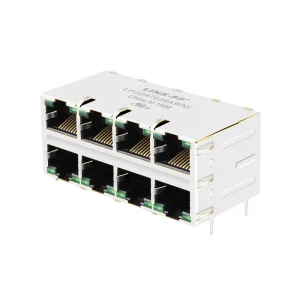
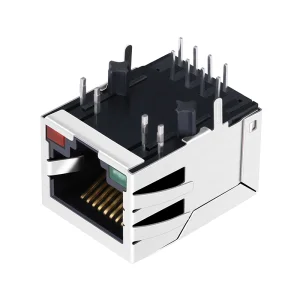
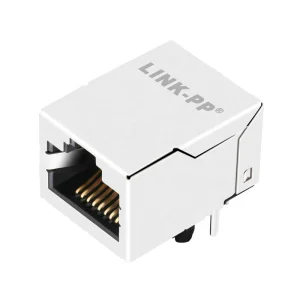
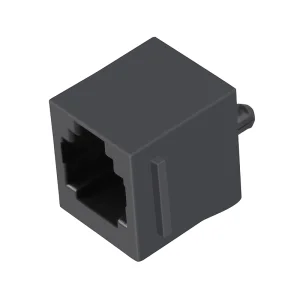
To save board space and limit electrical failure, modern USB network converters include magnetic modules inside the RJ45 port itself, isolating circuits and shielding against electromagnetic interference (EMI).
Evaluating the performance difference between common enterprise deployment methods.
| Parameter Specifications | Legacy USB 3.0 to RJ45 (1G) | USB 3.2 Gen 1 to RJ45 (2.5G) | Type-C / USB4 to RJ45 (10G) |
|---|---|---|---|
| Max Theoretical Throughput | 1.0 Gbps (1000BASE-T) | 2.5 Gbps (2.5GBASE-T) | 10 Gbps (10GBASE-T) |
| Controller Chipsets | Realtek RTL8153 / ASIX AX88179 | Realtek RTL8156B / Intel I225-V | Aquantia AQC111C / Marvell AQC107 |
| Thermal Profile & Power | Low (< 0.5W), Bus-Powered | Moderate (0.8W - 1.5W) | High (2.5W - 5W), Requires heat sink |
| Primary B2B Application | Office notebooks, thin clients | Enterprise workstations, NAS arrays | Data centers, temporary network testing |
Procurement managers and infrastructure architects face complex choices when sourcing RJ45 to USB conversion solutions. A basic consumer adapter will fail under continuous commercial usage. High-reliability applications require precise physical properties:
LumoWave delivers custom configurations to meet specialized network demands across various industries:
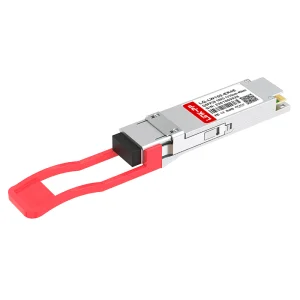
Cloud Data Centers: Using our 10G and 100G optical transceivers (such as the QSFP28 100G) combined with multiport RJ45 connector blocks allows fast routing and high density in top-of-rack switches.
Industrial Automation & IoT: In smart factories, electrical noise from machinery can distort signals. Our waterproof GigE transformer modules (like the LJ-T40B4L-00-F) offer reliable protection and continuous network connections.
Our 320,000㎡ manufacturing campus relies on strict, data-driven testing protocols to guarantee zero-defect shipments.
All incoming components, including PHY chipsets, gold-plated pins, PCB substrates, and optical components, are tested against strict tolerances before entering the assembly line.
Automated Optical Inspection (AOI) and X-ray imaging check solder joints and trace placement, preventing potential signal bottlenecks or connection faults.
Every transceiver and adapter undergoes physical parameter checks and testing under load. 45 dedicated inspectors verify standard compliance before shipment.
Optical Modules undergo BER testing at maximum speeds to confirm the error rate stays below 10^-12, ensuring packet-loss-free transmission.
Devices undergo temperature cycling tests from -40°C to +85°C, confirming stable wavelength operation in extreme environments.
We run adapters and transceivers continuously under load to identify and eliminate early component failures, ensuring high field reliability.
As networks evolve to higher speeds, LumoWave remains at the forefront of interconnect development. Driven by our 85 R&D engineers, who developed 120 new product designs last year, our current technical research targets several primary fields:
1. Low-Power Silicon PHY Controllers: Development focuses on reducing the energy footprint of 10G copper transceiver chips to limit thermal load in fanless devices.
2. Optical-Silicon Co-packaging: Integrating high-speed transceivers directly onto processing chip substrates to reduce latency and physical footprint.
3. Eco-Friendly Manufacturing: Adapting all production lines to lead-free, halogen-free materials that comply with international RoHS and REACH regulations.
Serving markets in North America, Europe, Southeast Asia, and the Middle East requires strict compliance with localized safety and environmental directives. LumoWave ensures full compliance across all global product shipments:
CE / FCC
Electromagnetic Standards
RoHS / REACH
Material Safety Certified
MSA
Multi-Source Agreement
With a robust supply chain ecosystem consisting of more than 1,200 upstream and downstream partners, we guarantee consistent raw material access, ensuring short lead times and stable pricing, even during global supply shifts.
Answers to common configuration, compatibility, and ordering questions from engineering and procurement teams.
Integrated magnetics (or magnetic jacks) combine the transformer and common-mode chokes inside the RJ45 housing. This saves board space, isolates noise, protects against high-voltage surges, and prevents packet corruption over long cable runs.
Throughput limits are usually determined by the USB bus version (USB 2.0 caps at 480Mbps, USB 3.0 at 5Gbps), the Ethernet PHY controller chip (e.g., RTL8156B vs. AQC111C), system processor load, and the quality of the connected Cat5e/Cat6 ethernet cables.
All our optical transceivers are pre-programmed and tested with vendor-specific EEPROM code. This ensures they are fully compatible with equipment from Cisco, Juniper, Huawei, Arista, and other network hardware manufacturers.
Yes, our enterprise-grade Ethernet adapters support Preboot Execution Environment (PXE Boot), Wake-on-LAN (WOL), and VLAN tagging, making them suitable for centralized corporate IT deployments.
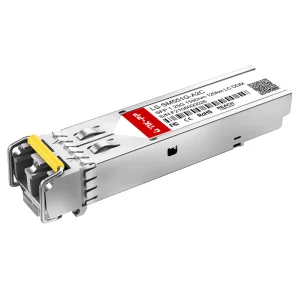
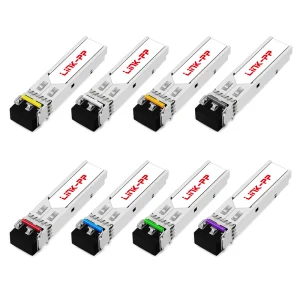
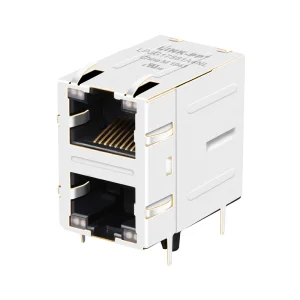
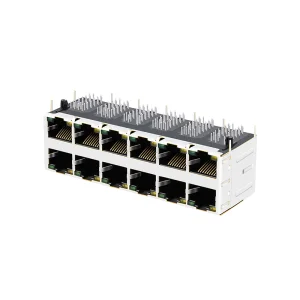
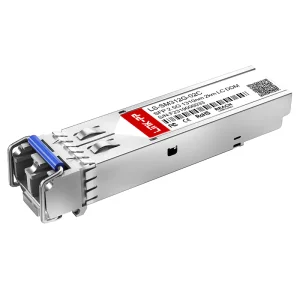
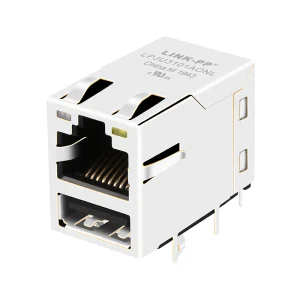
Browse our selection of multi-port stacked connectors, long-reach SFP modules, and optical-copper transceivers built for low-latency networks.
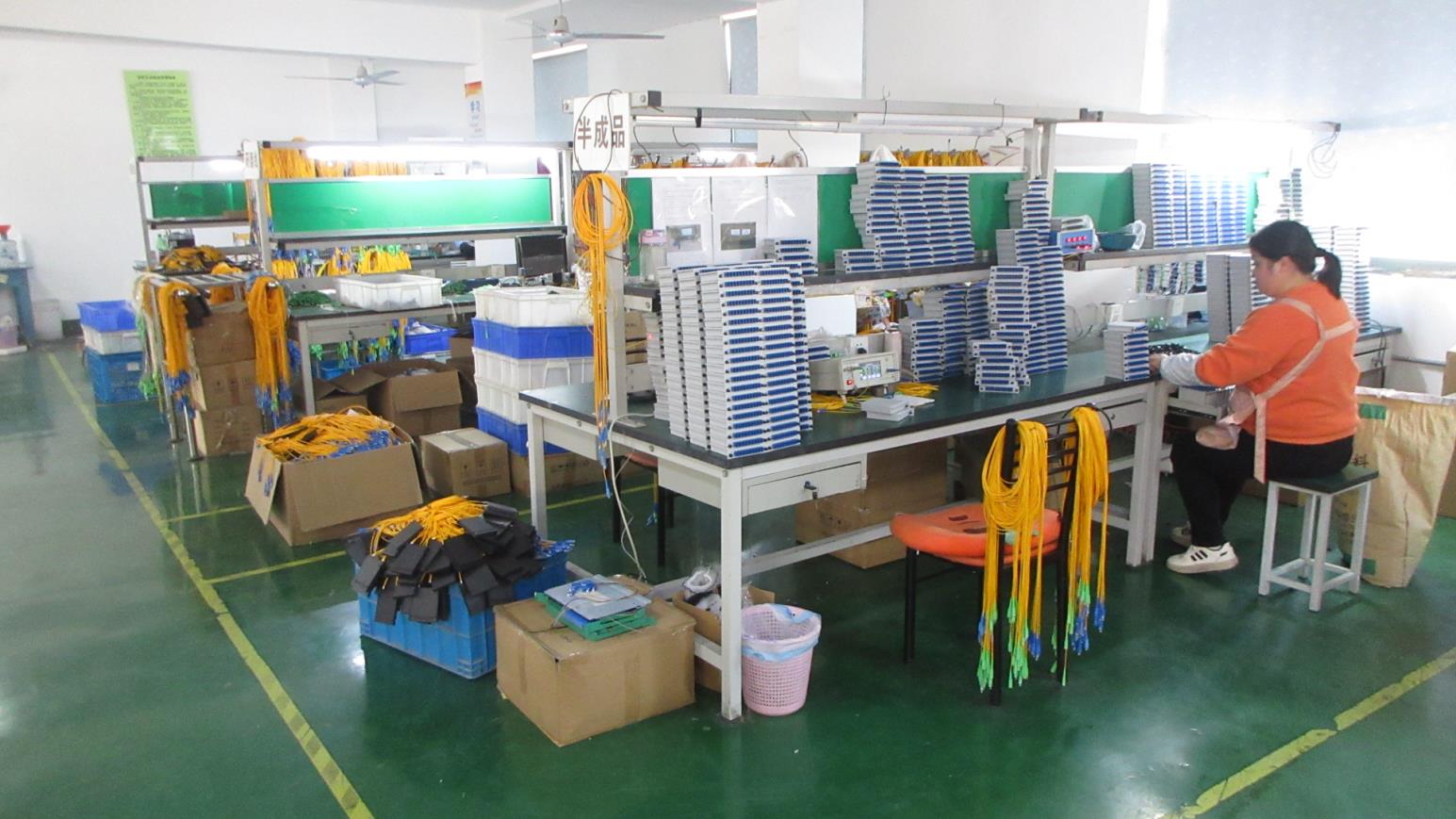
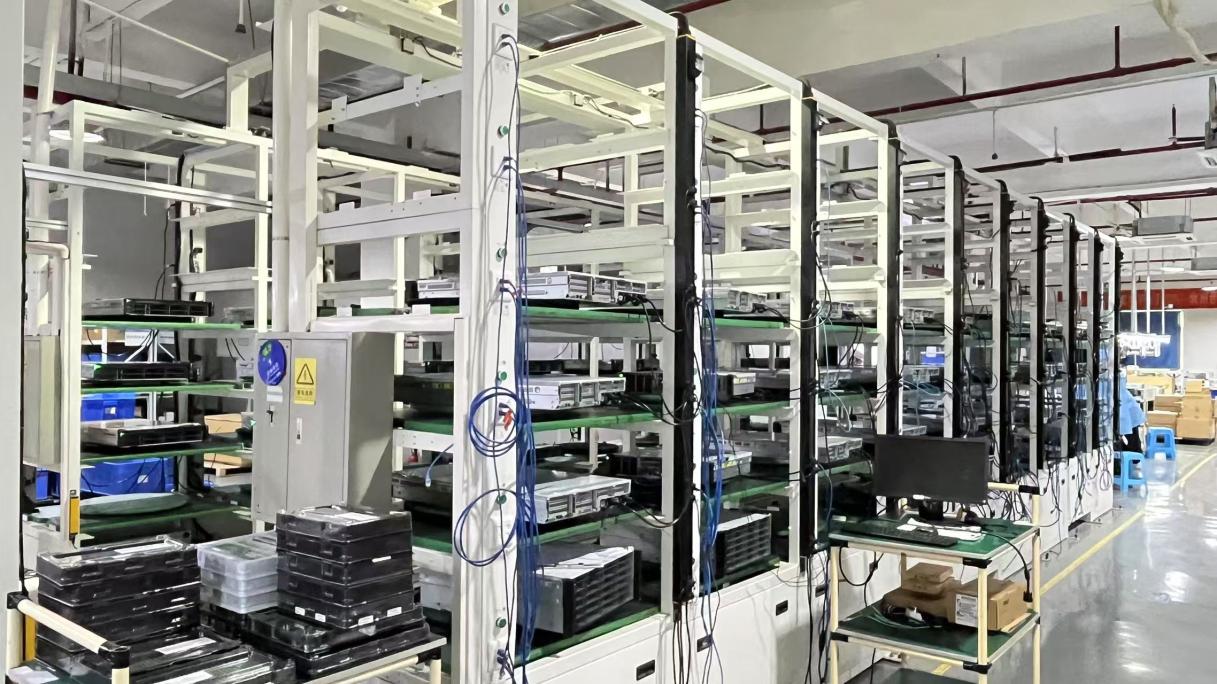
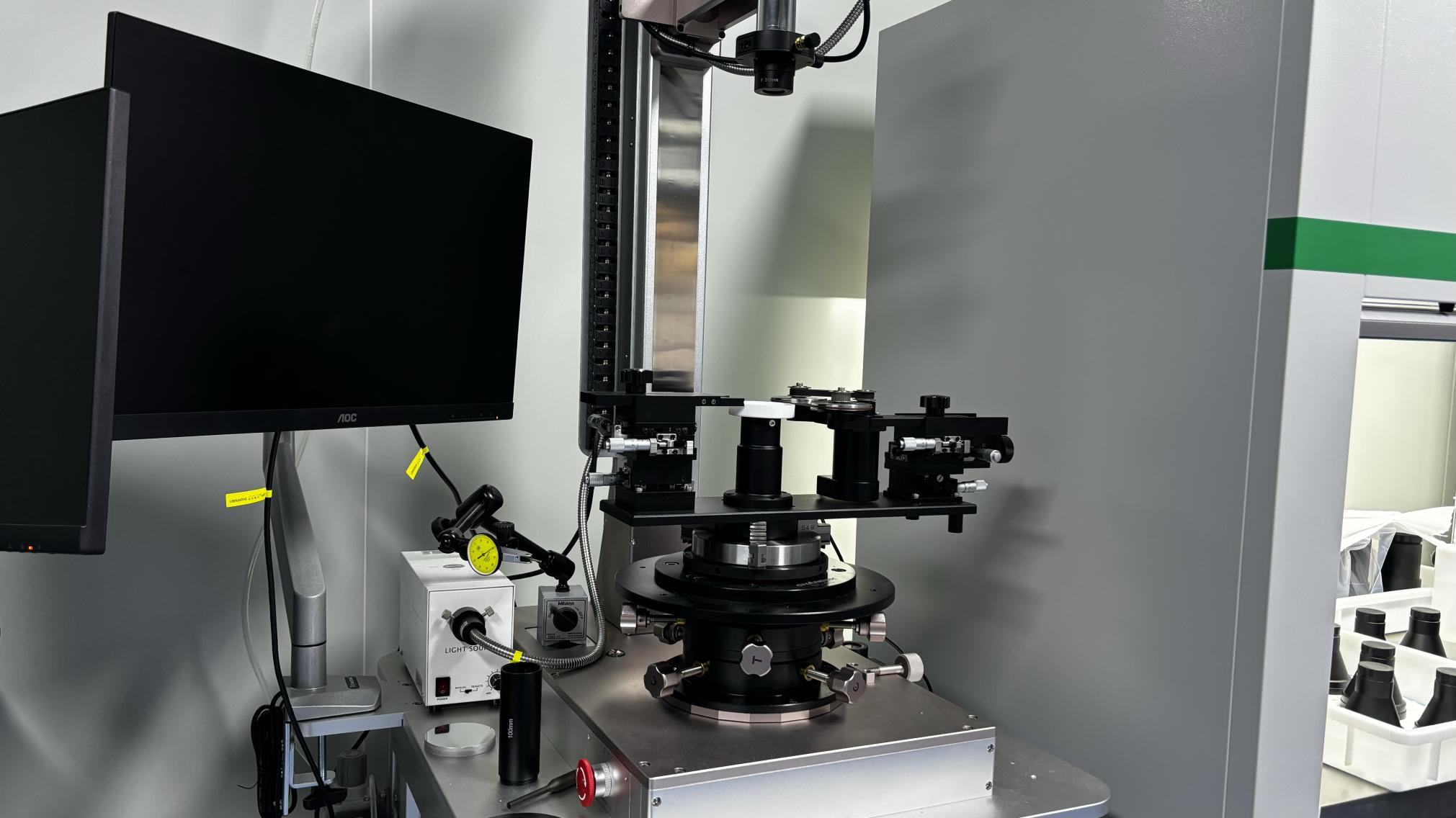
Peek inside our 320,000㎡ campus equipped with advanced manufacturing systems, cleanrooms, and testing facilities.




 LumoWave