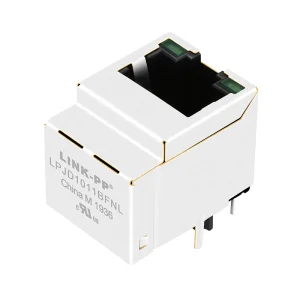
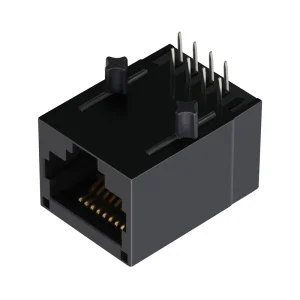
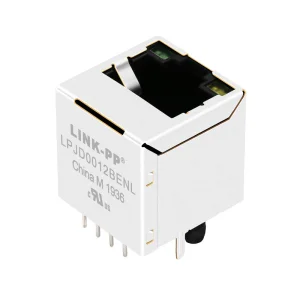
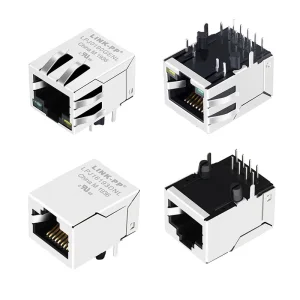
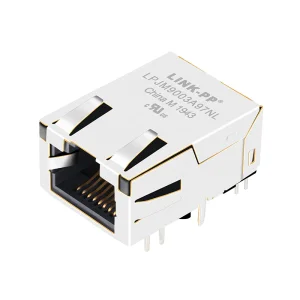
In the era of hyper-scale data centers, Edge computing, and industrial IoT (IIoT), the physical layer interface remains the foundation of signal integrity. While traditional copper interfaces are standardized, the rapid miniaturization and diversification of circuit designs have driven the demand for flexible RJ45 connectors. These component designs offer highly adaptive form factors, including SMT top entry modular jacks, vertical mounting, low profile configurations, and integrated magnetics (MagJacks) that solve critical board layout issues.
A "flexible" RJ45 connector does not just bend physically; it represents layout adaptability. Electrical engineers frequently face mechanical constraints where standard right-angle or straight connectors cannot fit. Selecting the appropriate factory partner requires evaluating not only raw unit costs but their structural design expertise, automated molding flexibility, and capabilities in high-frequency signal simulation.
When shortlisting high-performance connector factories, global enterprises look for distinct indicators of competence. Below is a structured analysis of what sets top-tier manufacturers apart, helping sourcing managers cross-examine engineering credentials, capacity, and raw material sourcing strategy.
| Supplier Tier | Primary Customization Focus | Shielding & EMI Performance | Lead Times & Prototyping | Key Compliance Standards |
|---|---|---|---|---|
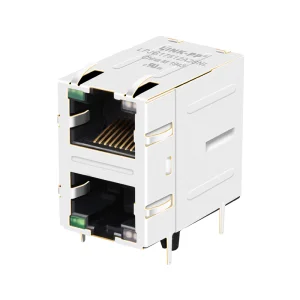
| Tier 1: Enterprise Customization | Low-Profile, Ultra-Thin, Rugged SMT Jack Configurations | Integrated Multi-Stage Magnetics & Multi-LED arrays | Rapid prototyping: 1-2 weeks | UL, RoHS, REACH, ISO9001:2015 |
| Tier 2: High-Volume Commodity | Standard Right-Angle & Vertical 8P8C Connectors | Basic Metal Shell Shielding without Integrated Magnetics | Standard batches: 3-4 weeks | RoHS, CE Compliance |
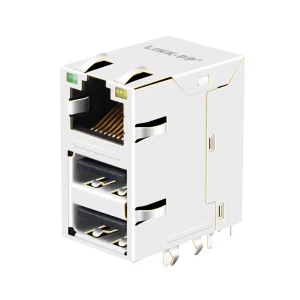
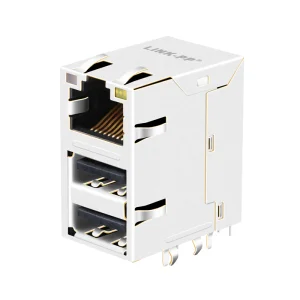
| Tier 3: Specialized/Niche OEM | Hybrid USB/RJ45 combo ports & Outdoor IP67 interfaces | Heavy-duty rugged shielding with ground-isolated tabs | Custom tooling: 6-8 weeks | UL, IP67 Waterproof Class |
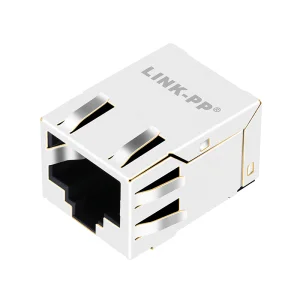
Top-tier suppliers distinguish themselves by executing simulation-driven designs prior to tooling. High-speed signals passing through a 10G RJ45 connector, such as the Single Port Cat6a Modular Network PCB Jack, are highly susceptible to crosstalk (NEXT/FEXT) and return loss. Advanced suppliers utilize HFSS (High Frequency Structure Simulator) to optimize contact geometry, gold-plating thickness (ranging from gold flash to 50u"), and shield-grounding paths.
Why do global market leaders continue to base their interconnect procurement in China? The answer lies in the highly integrated supply chain ecosystem. Unlike fragmented regional manufacturing, hubs in southern China co-locate copper alloy rolling mills, precise injection mold builders, plating chemistry centers, and automated assembly equipment makers within a 50-kilometer radius.
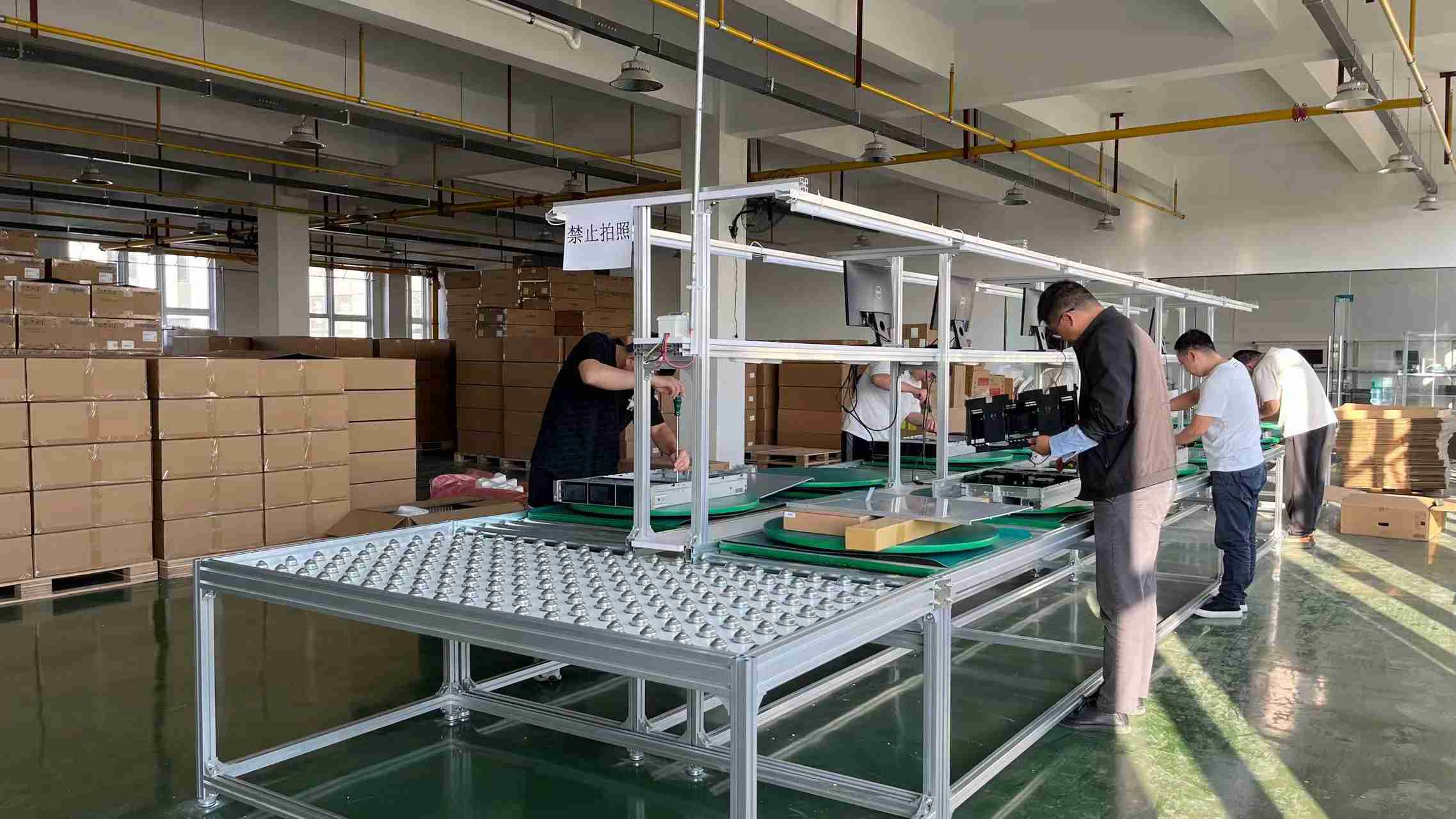
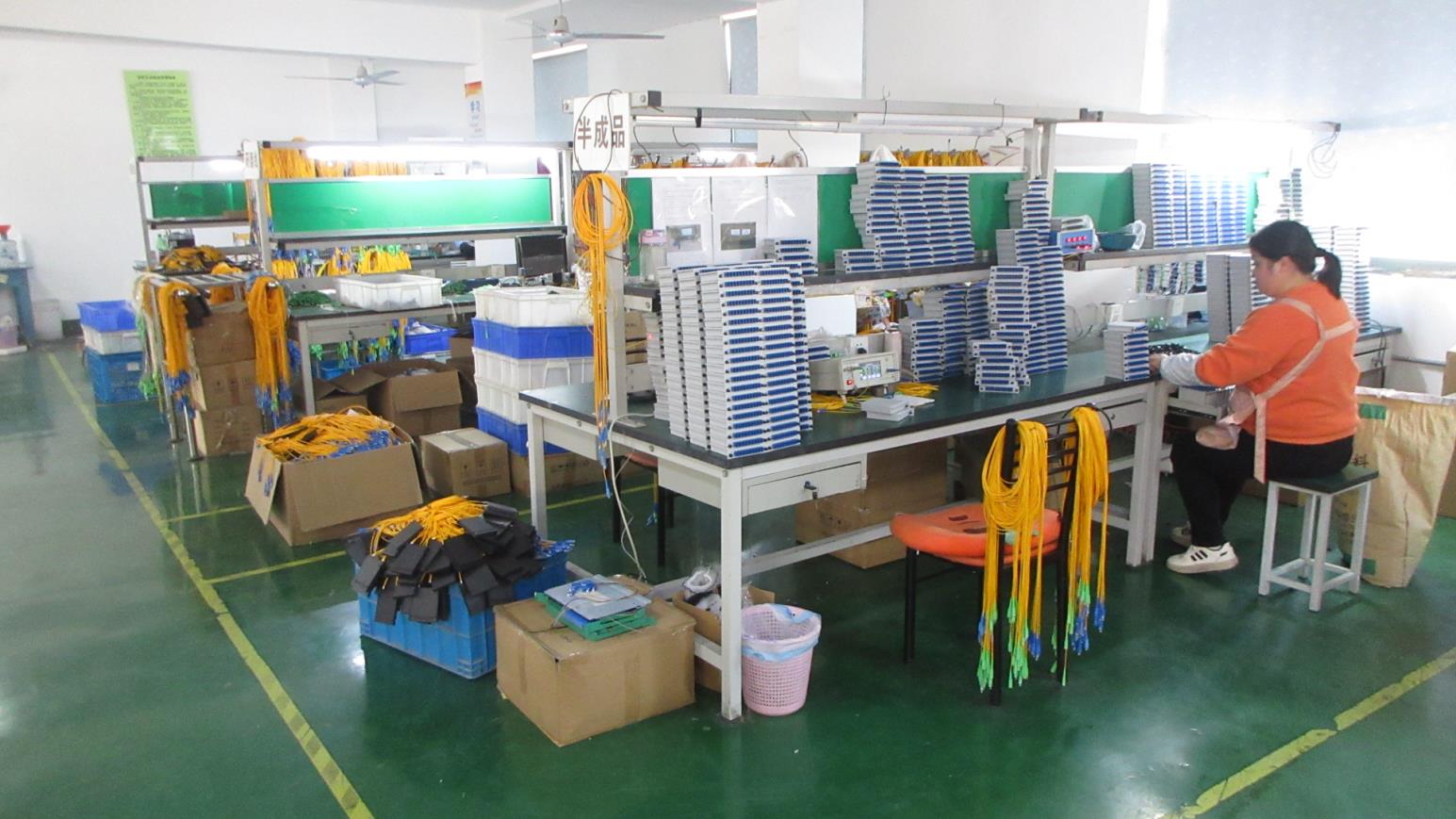
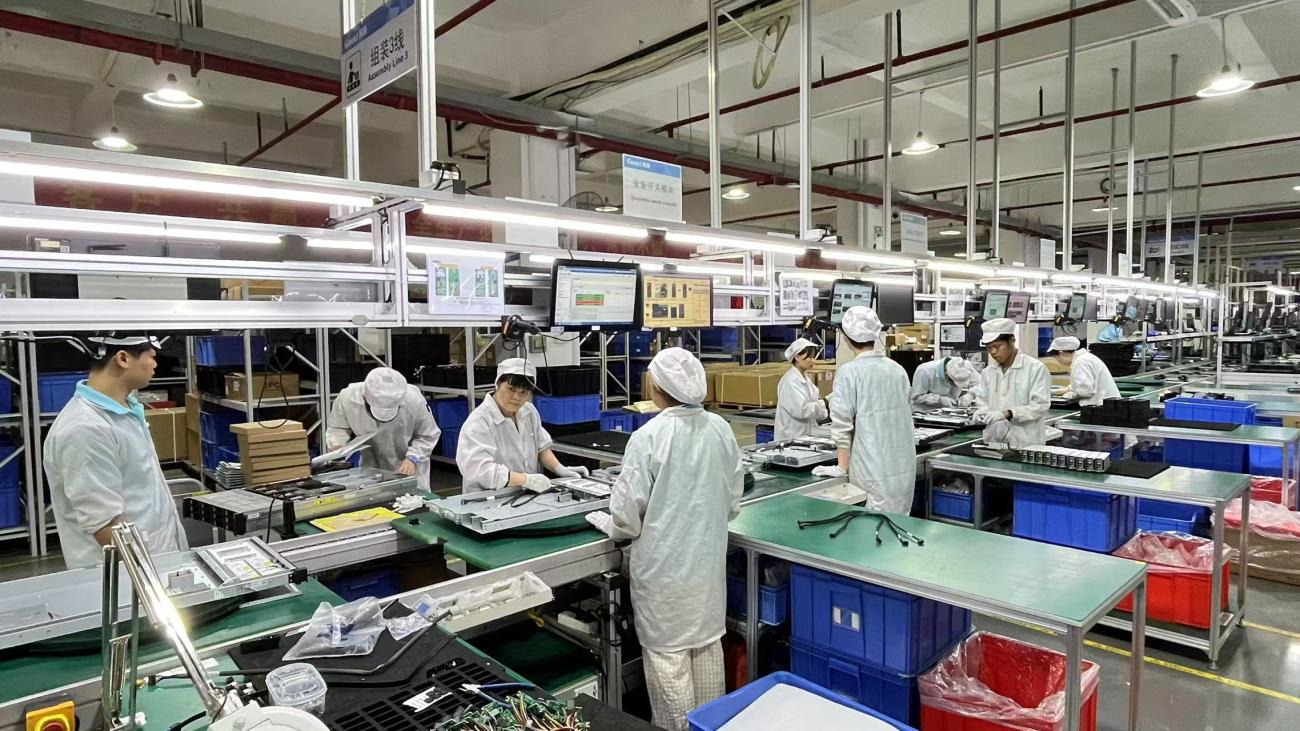
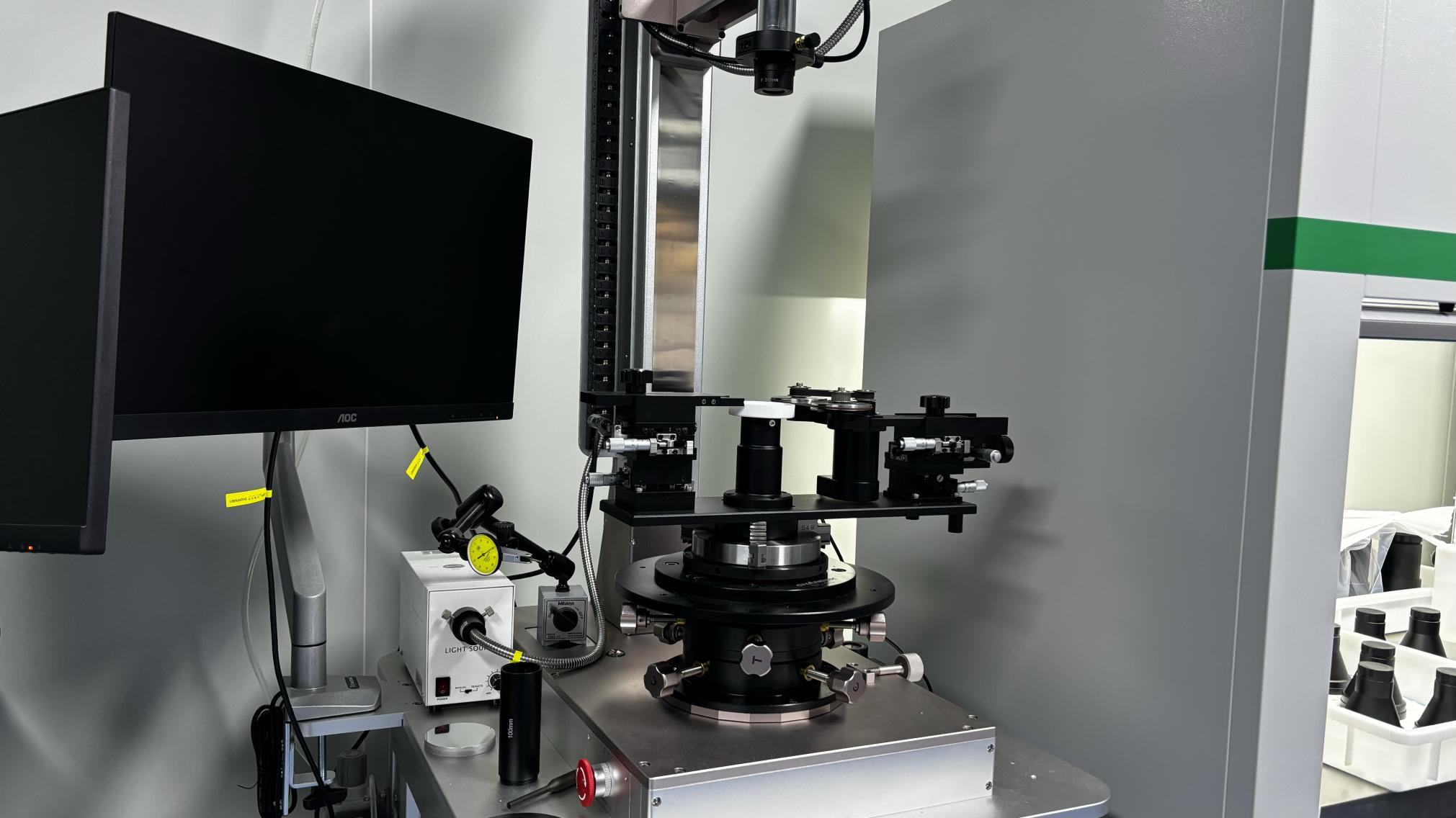
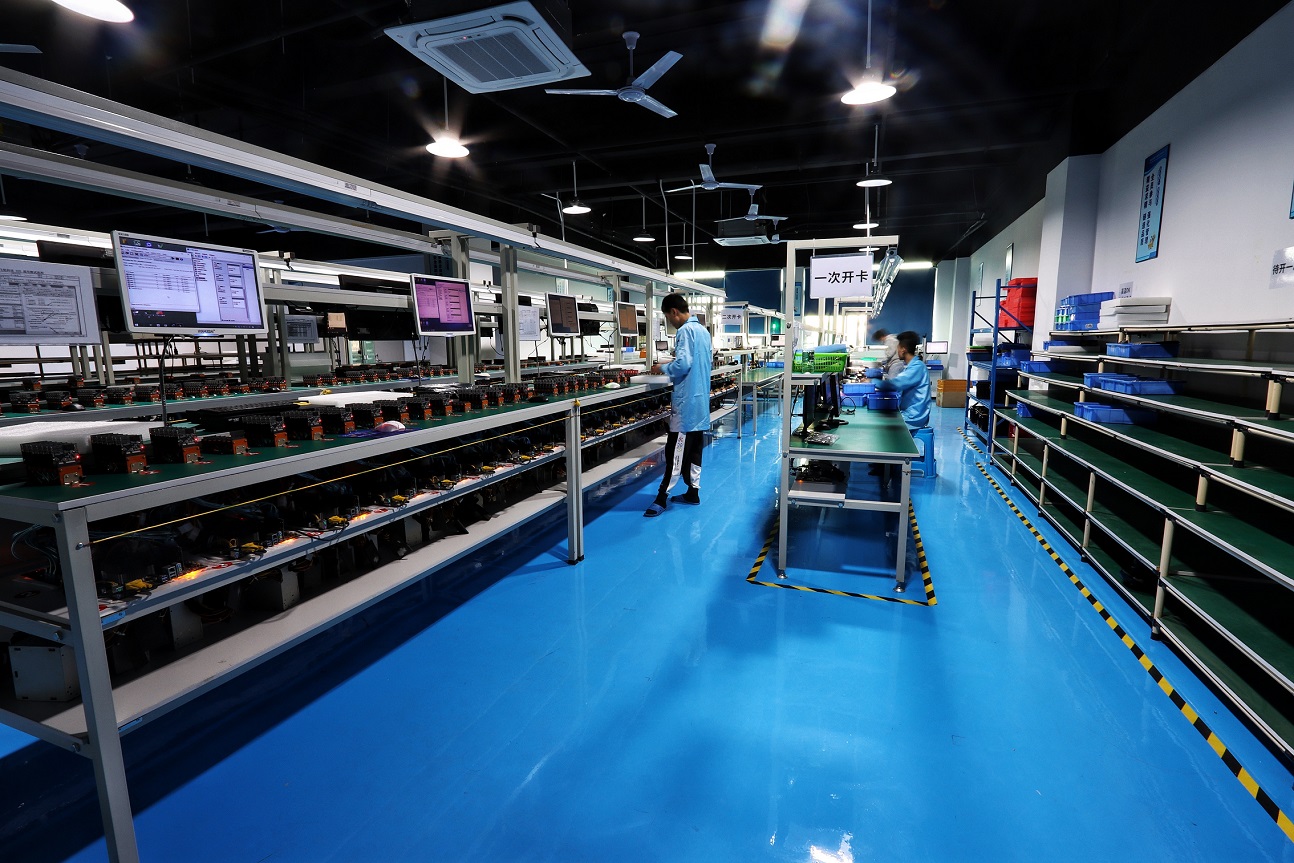
This geographic concentration allows factories to execute rapid design iterations. For example, LumoWave Optical Technology Co., Ltd. leverages a highly organized upstream network of over 1,200 partners to guarantee materials availability and maintain production agility. Operating a factory site of approximately 320,000㎡, manufacturers in this space can seamlessly scale up from pre-production pilot runs to millions of units per month while utilizing automated CCD visual inspection machines to confirm coplanarity on SMT terminals.
Eliminating human error through automatic terminal insertion, shield crimping, and automated test stations ensuring high yield rates.
Implementation of IQC, IPQC, and FQC with specialized testing: dielectric withstanding voltage, insertion force, and salt spray exposure tests.
Robust shipping infrastructure from Shenzhen, Shanghai, or Ningbo ports reducing global lead times for large-scale enterprise rollouts.
A standard RJ45 connector is rarely "one-size-fits-all." Diverse application environments command tailored features:
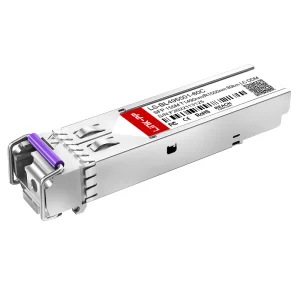
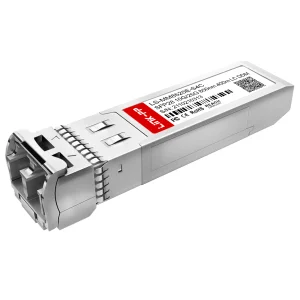
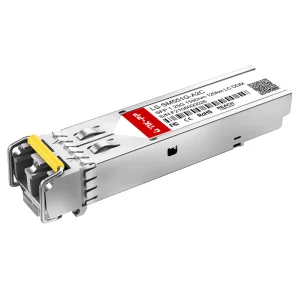
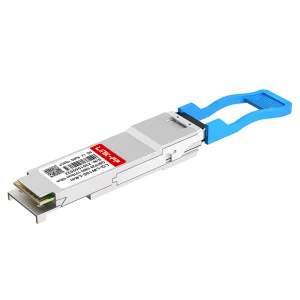
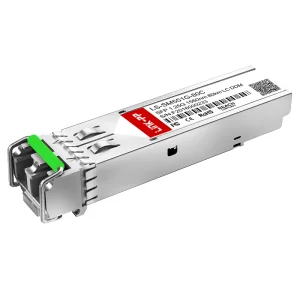
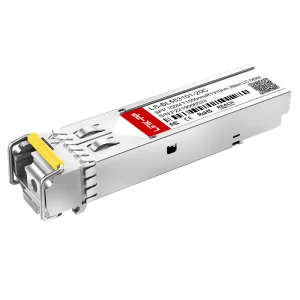
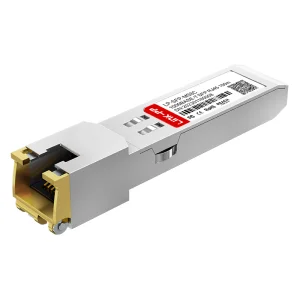
Moreover, the integration of optical transceiver architectures (such as SFP/QSFP) alongside traditional copper RJ45 ports is increasingly common in hybrid media converters. This requires design compatibility at the physical layout layer, a challenge that companies like LumoWave address by drawing on their deep expertise in optical transceivers and high-speed electrical interconnects.
For high-reliability infrastructure projects, product safety and environmental compliance are non-negotiable. Standard guidelines enforce strict regulations on heavy metals and hazardous chemicals under RoHS and REACH protocols. Connectors destined for North American power distribution grids must also meet strict UL flame retardancy requirements (UL94-V0).
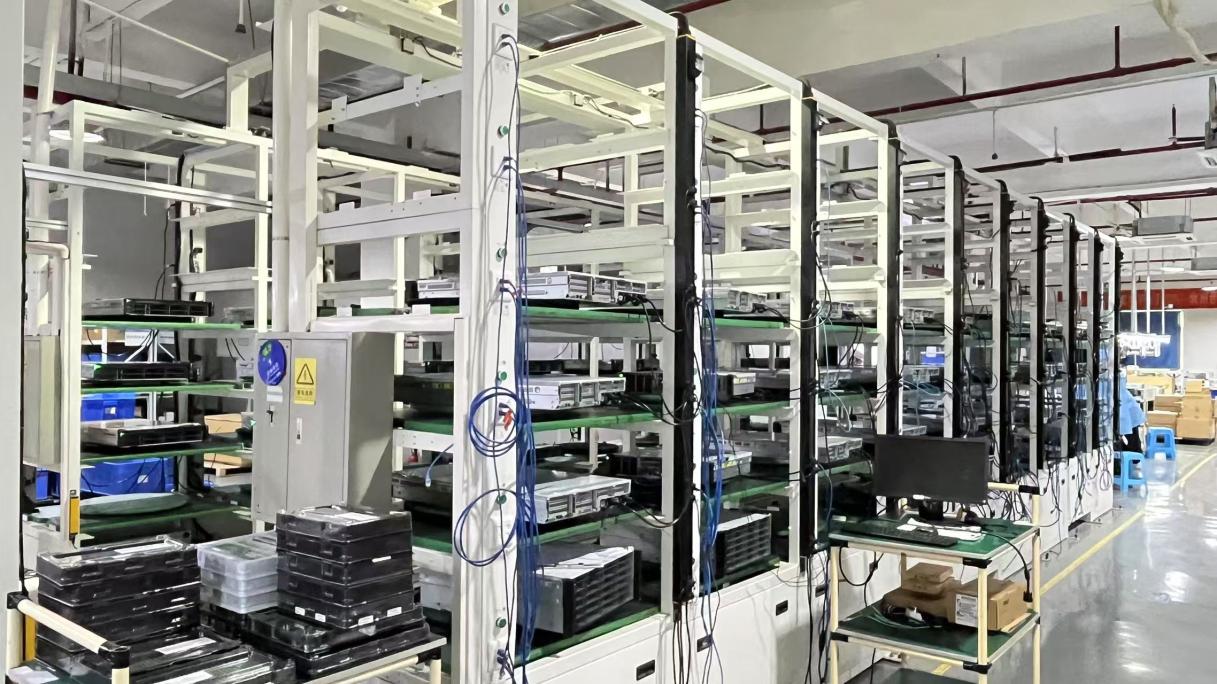
To assure these standards, LumoWave utilizes an internal quality team of 45 specialized quality control personnel. The factory runs incoming raw material screening using X-ray fluorescence (XRF) to check for prohibited substances. Additionally, finished modules and connectors undergo environmental stress tests including high-low temperature cycles and aging test procedures to guarantee stable operation over decades of operation.
LumoWave Optical Technology Co., Ltd. is a professional optical transceiver manufacturer specializing in high-speed fiber optic communication solutions for global data centers, telecom operators, and enterprise networking applications. Built under the brand LumoWave, the company is committed to delivering stable, high-performance, and cost-effective optical modules ranging from 10G to 800G, including SFP, QSFP, QSFP-DD, and coherent transmission solutions.
Founded in 2016, LumoWave has developed into a reliable OEM/ODM supplier with a modern production facility covering approximately 320,000㎡. The company generates an annual export revenue of around $12 million, with 8 years of export experience and 12 years of industry expertise in optical communication technologies.
LumoWave operates a comprehensive quality assurance system, including incoming material inspection (IQC), in-process quality control (IPQC), and final product testing (FQC). Advanced testing methods such as optical power testing, BER testing, wavelength accuracy testing, temperature cycling, and aging stress tests are strictly implemented to ensure product reliability. The company employs 45 dedicated quality control personnel to maintain strict compliance with international standards.
With a strong international trade background, LumoWave serves major markets including North America, Europe, Southeast Asia, and the Middle East. Its supply chain ecosystem includes more than 1,200 upstream and downstream partners, supporting scalable and flexible production capabilities.
The company’s main customer base includes telecom operators, data center integrators, cloud service providers, system equipment manufacturers, and network solution providers. LumoWave also provides flexible customization options, including wavelength tuning, distance optimization, EEPROM programming, and private labeling services.
Driven by strong innovation capabilities, LumoWave has a dedicated R&D team of 85 engineers, and released approximately 120 new product designs last year, focusing on next-generation high-speed transmission technologies and energy-efficient optical solutions.
LumoWave continues to invest in research and development, ensuring compatibility with evolving global network standards and maintaining its position as a trusted partner in the optical communication industry worldwide.

 LumoWave