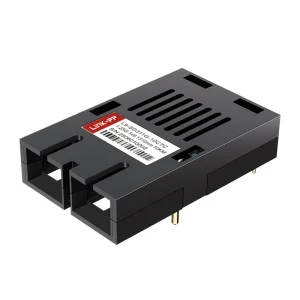
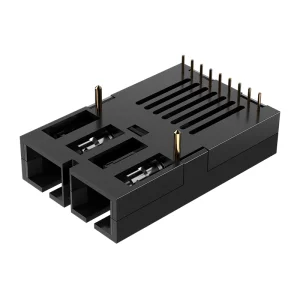
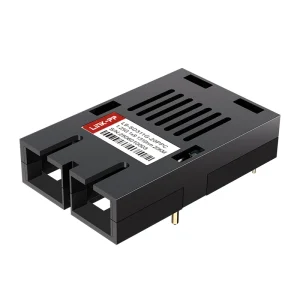
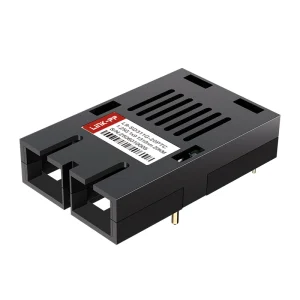
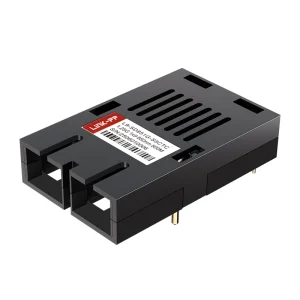
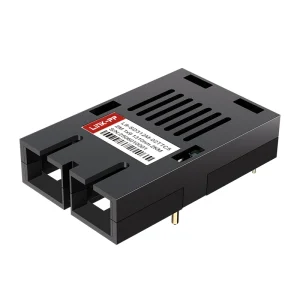
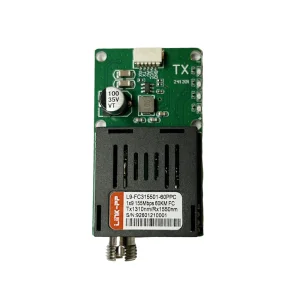
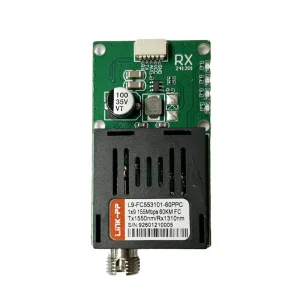
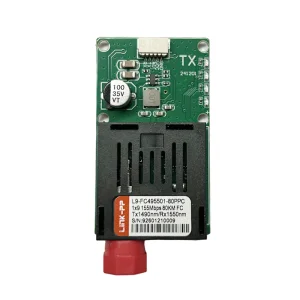
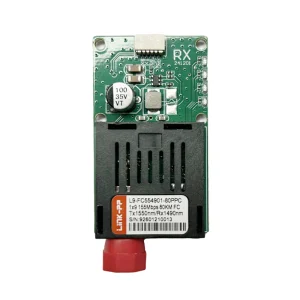
While the world pivots toward 400G and 800G modular solutions, the 1x9 Transceiver remains the bedrock of industrial communication in the Netherlands. From the massive logistics hubs in Rotterdam to the high-tech semiconductor fabs in Eindhoven, 1x9 modules provide the unwavering reliability required for mission-critical systems.
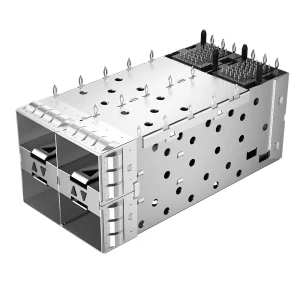
The Netherlands is a global leader in "Smart Industry." Local manufacturers utilize 1x9 transceivers in legacy PLC (Programmable Logic Controller) systems and industrial Ethernet switches where high vibration and temperature fluctuations demand soldered components rather than removable SFP cages.
Operating in the Dutch market requires strict adherence to EU directives. Our 1x9 modules are fully compliant with RoHS, CE, and REACH, ensuring seamless integration into European medical equipment, railway signaling (ProRail), and energy grids.
Industry experts know that in the Netherlands' offshore wind farms and heavy industrial zones, MTBF (Mean Time Between Failures) is the ultimate metric. The soldered 1x9 design eliminates the "connector fatigue" common in SFP modules, providing a superior 20-year operational life.
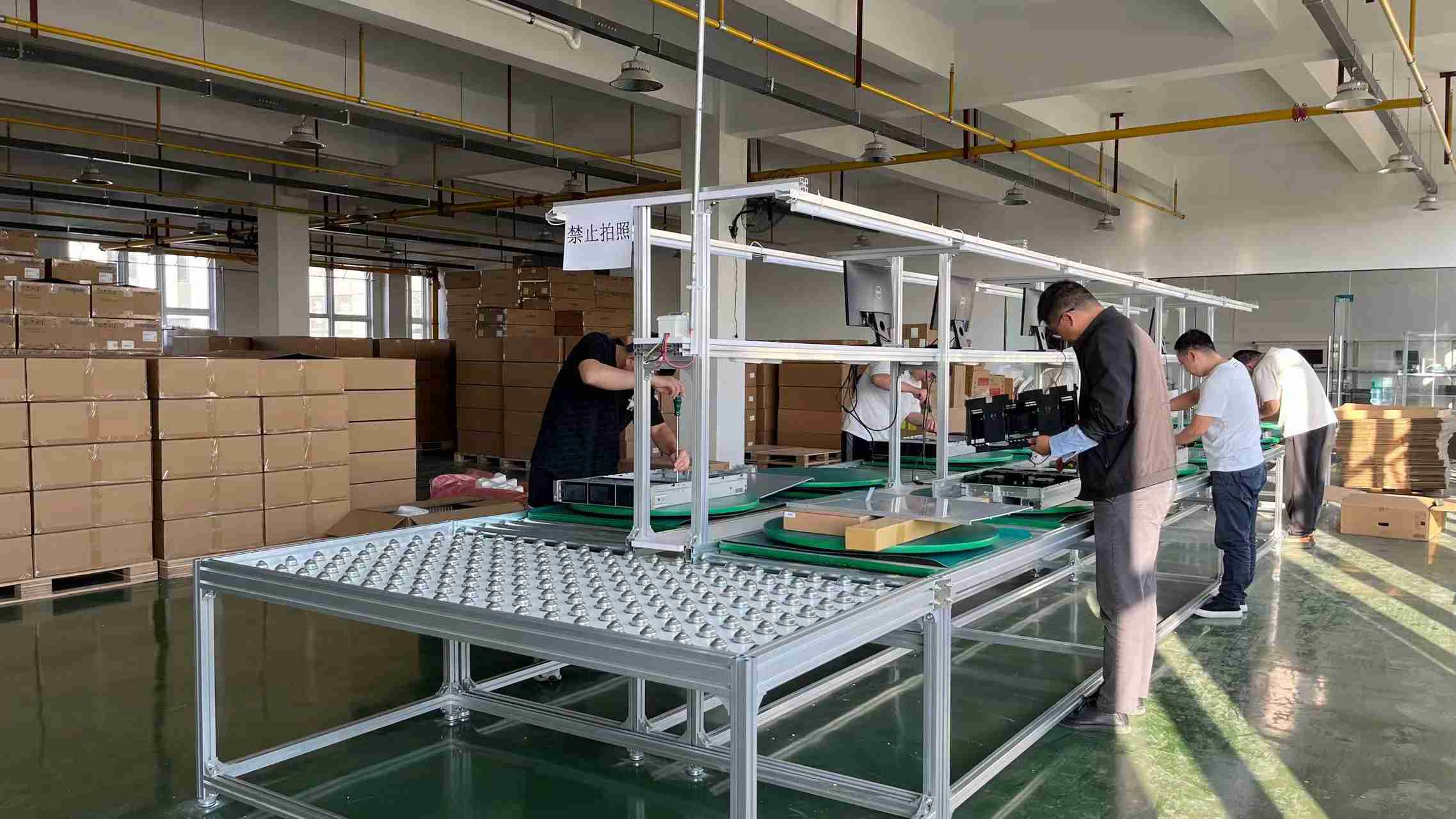
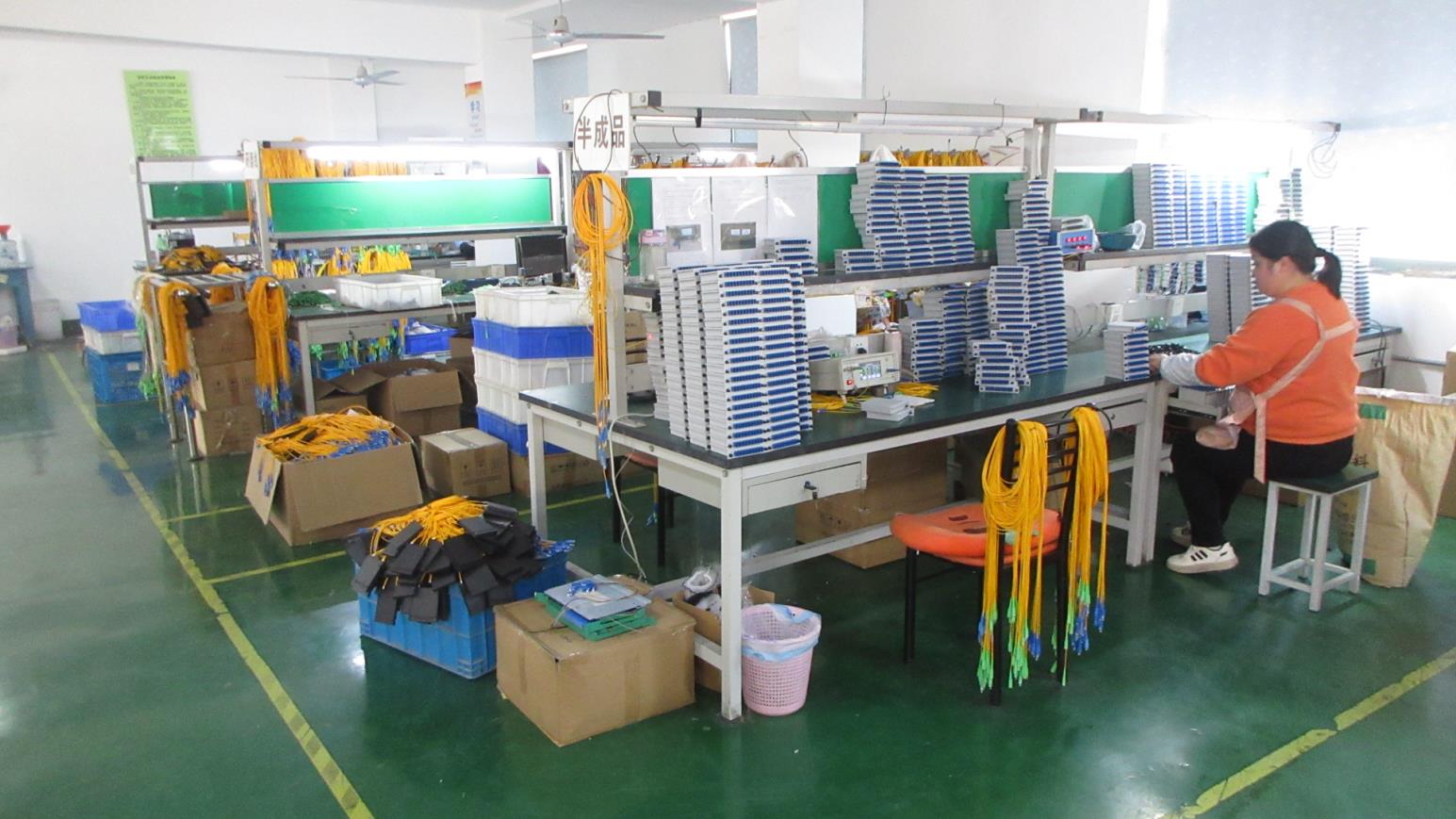
LumoWave Optical Technology Co., Ltd. serves as a primary OEM/ODM partner for European system integrators. By combining China’s manufacturing efficiency with Dutch engineering standards, we deliver a cost-to-performance ratio that is unmatched in the Benelux region.
For Dutch enterprises, procurement is not just about the price—it's about the "Total Cost of Ownership." LumoWave offers flexible EEPROM programming to ensure compatibility with major Dutch-deployed brands like Cisco, Juniper, and Alcatel-Lucent, as well as specialized industrial brands common in the European market.



Automated Guided Vehicles (AGVs) and crane control systems in the Maasvlakte terminals rely on 1x9 transceivers for low-latency, rugged fiber optic data links that withstand saltwater corrosion and high-EMC environments.
The 1x9 form factor is the standard for legacy signaling and surveillance systems along the Dutch railway corridors, providing consistent 155M and 1.25G data throughput across long-distance Single Mode Fiber (SMF) links up to 80km.
Dutch energy providers (like TenneT) utilize 1x9 BiDi transceivers to monitor substations. Using a single fiber (BiDi) allows for doubling capacity in existing fiber-lean trenches, significantly reducing infrastructure costs.
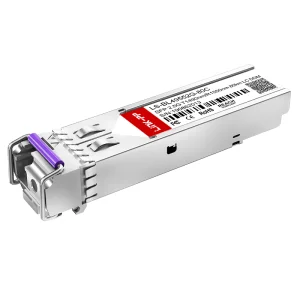
Unlike modular SFP transceivers, 1x9 modules are soldered directly to the PCB. This provides superior resistance to shock and vibration, makes them more cost-effective for dedicated hardware, and ensures a more stable electrical connection over time.
Yes. We offer extensive customization, including 1310nm, 1550nm, and CWDM wavelengths, as well as BiDi (Single Fiber) options. Our R&D team can adapt the pin definitions (PECL/TTL) to match legacy European equipment.
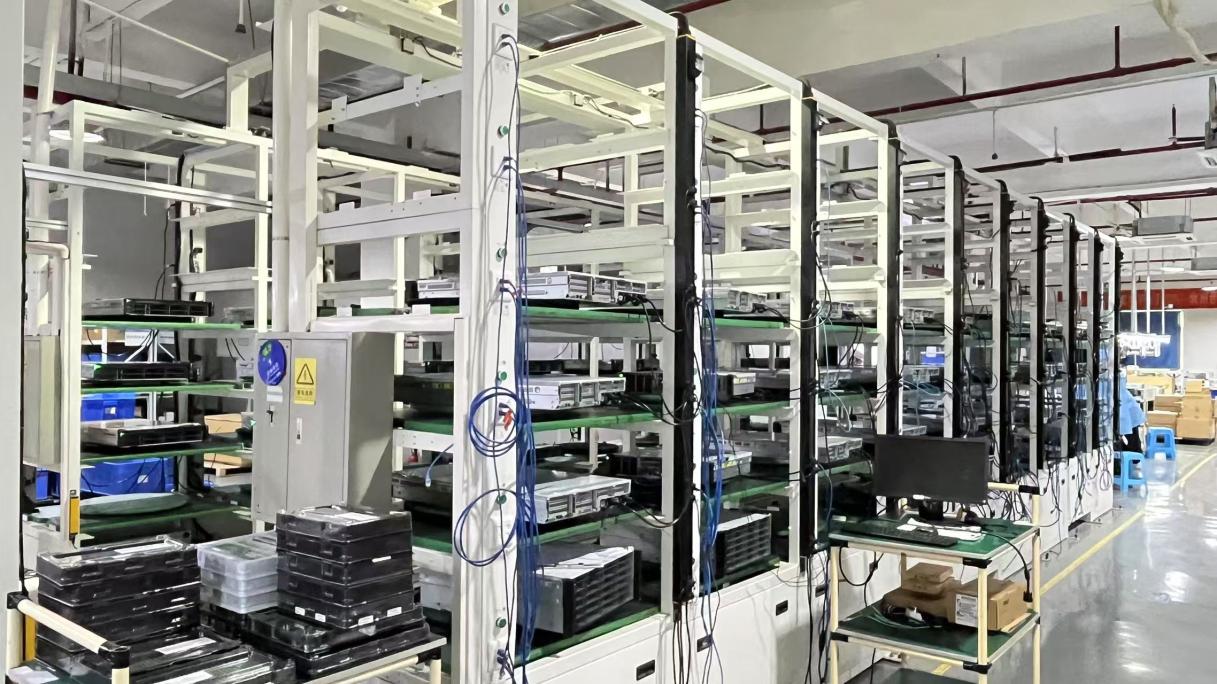
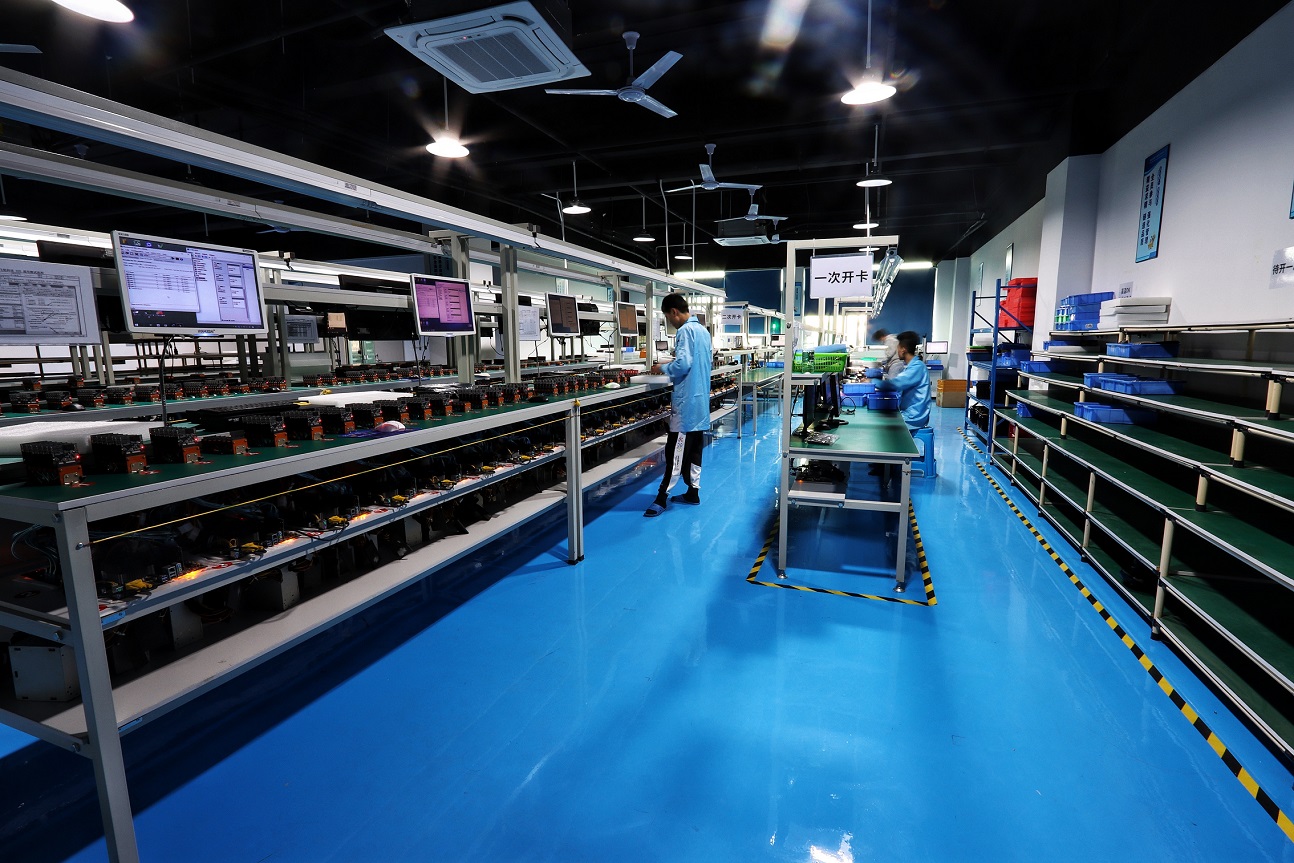
Every module undergoes a 3-stage testing process: IQC (Incoming), IPQC (In-process), and FQC (Final). Our testing includes optical power, Bit Error Rate (BER), and 48-hour high-temperature aging to meet the reliability standards expected by Dutch industrial clients.
Absolutely. We provide EEPROM coding and hardware level compatibility for a wide range of systems, including Siemens Scalance series, Cisco Industrial Ethernet, and many more common in Netherlands infrastructure.
 LumoWave