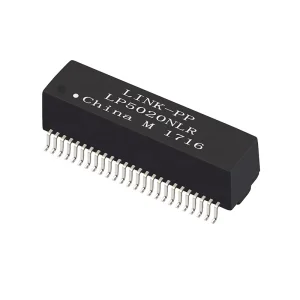
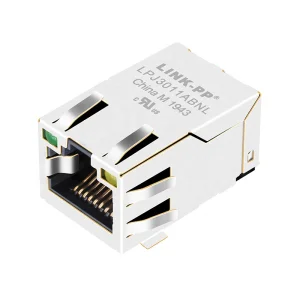
Explore our top-tier CE certified SFP modules, copper transceivers, and integrated RJ45 magnetic connectors designed for high-availability networking systems.
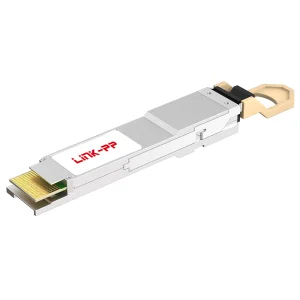
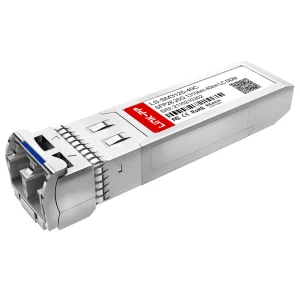
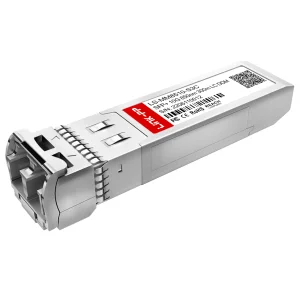
An authoritative technical guide on signal integrity, electromagnetic mitigation, and structural safety parameters in modern copper-based ethernet ports.
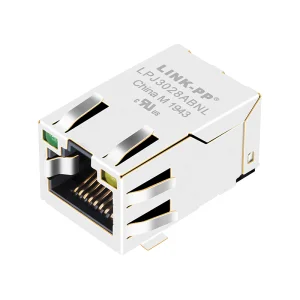
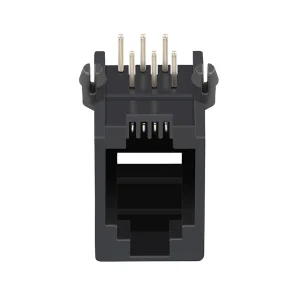
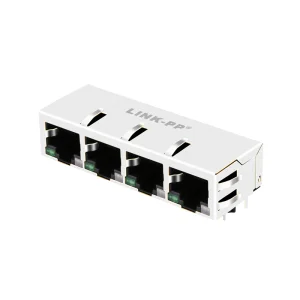
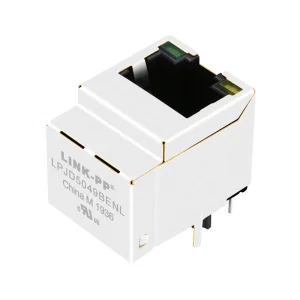
In the digital age, hardware stability at the physical layer (Layer 1) dictates the uptime of multi-gigabit campus networks, edge access points, and hyper-scale cloud nodes. The integration of CE Certified RJ45 Switch Ports with active modular components is a highly engineered discipline. Modern network switches require ports that not only transfer electrical pulses but also maintain low insertion loss, minimal near-end crosstalk (NEXT), and exceptional return loss margins.
A CE certified connector guarantees compliance with European directives for electromagnetic compatibility (EMC - 2014/30/EU) and low voltage safety (LVD - 2014/35/EU). This ensures that high-speed switching devices operate without injecting unwanted electromagnetic interference (EMI) into surrounding infrastructure, whilst retaining protection against electrostatic discharge (ESD) and line surges up to 1.5kV AC, which is critical for industrial and carrier-grade applications.
A detailed look at the infrastructure, capabilities, and scale backing LumoWave's high-speed transceiver and connector technology.
LumoWave Optical Technology Co., Ltd. is a professional optical transceiver and networking component manufacturer specializing in high-speed fiber optic communication and copper interface solutions. Serving global data centers, telecom operators, and enterprise networking OEMs, LumoWave offers stable, high-performance, and cost-effective optical modules and physical layer connectors ranging from 10G up to 800G, including SFP, QSFP, QSFP-DD, and coherent transmission solutions.
Why Tier-1 network equipment manufacturers rely on China-based vertical integration for RJ45 ports and transceiver systems.
From raw metal stamping to automated plastic injection molding and automated pin placement, our facilities bypass middle tier vendors to secure raw components, minimizing cost variations and Lead Times.
Employing 45 dedicated QC specialists, LumoWave implements Incoming Material Inspection (IQC), In-Process Quality Control (IPQC), and Final Quality Control (FQC) alongside optical power, BER, and wavelength accuracy tests.
With 85 R&D engineers developing 120+ new designs annually, we quickly customize wavelength tuning, EEPROM programming, distance optimization, private labeling, and custom magnetics integration.
Tracking the market shift towards high-speed Multi-Gigabit copper channels and optical integration.
Traditional Fast Ethernet (10/100Base-T) and Gigabit (1000Base-T) copper structures are rapidly being upgraded to support Wi-Fi 6E/7 enterprise access points. These modern nodes demand switch ports capable of delivering 2.5G and 5G speeds over standard Category 5e/6 cabling, or 10G speeds over Cat 6a channels up to 100 meters.
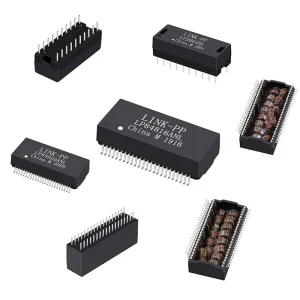
This upgrade creates substantial challenges for magnetic modules. High frequencies require strict impedance matching, optimized winding ratios, and shielding architectures that isolate cross-channel interference and mitigate common-mode noise without compromising signal integrity.
Smart buildings, high-definition IP surveillance cameras, and digital signage require data and high wattage concurrently. With the adoption of IEEE 802.3bt, switch ports must carry up to 90W-100W of power across four pairs of copper wires.
LumoWave designs RJ45 switch ports with high-temp thermoplastic LCP bases and thick gold contact points, ensuring they handle high continuous current without thermal runaway, warping, or degradation of the copper contacts.
Deploying CE certified ports and SFP optical transceivers across demanding localized networking environments.
Combining integrated RJ45 jacks with optical transceivers allows switches to offer flexible hybrid architectures, connecting client systems locally via copper, and linking core switches via high-speed optical backhauls.
Industrial IoT terminals demand robust IP-rated ports. SMT RJ45 magnetic modules with integrated LEDs facilitate rapid diagnostics on complex factory floors under broad temperature variations.
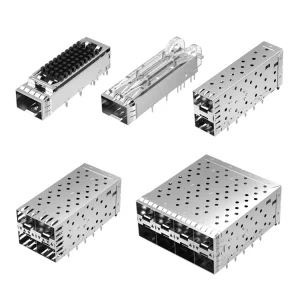
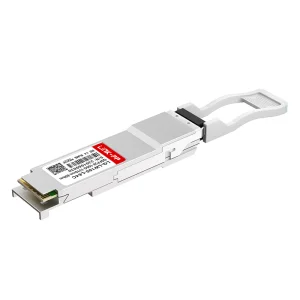
Utilizing 400G QSFP-DD modules and SFP cages with heat sinks ensures optimal cooling density inside 1U/2U server racks, optimizing airflow and safeguarding high-availability interconnects.
Developing hybrid architectures where optical fiber and copper ethernet seamlessly interface for optimal throughput.
A modern network infrastructure cannot rely on a single physical medium. Fiber-optic communication is unmatched in high-speed, long-distance transmission, while copper cabling remains the most cost-effective and flexible solution for localized connections (up to 100 meters). Designing a balanced macro solution requires bridging these two mediums efficiently.
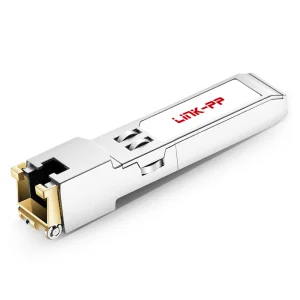
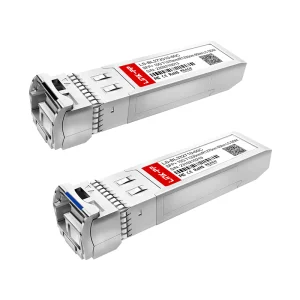
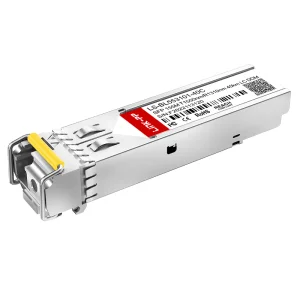
LumoWave's product line addresses this requirement directly. Our 10GBASE-T SFP+ copper modules easily convert standard optical SFP+ cages into copper RJ45 interfaces. This capability allows network administrators to adapt existing hardware interfaces for varying local media connections dynamically, avoiding expensive physical upgrades while ensuring low-latency copper-to-fiber integration.
Crucial compliance, shipping, and manufacturing parameters that B2B sourcing agents verify during factory audits.
Procuring high-frequency components requires strict attention to material reliability and manufacturing tolerances. When sourcing RJ45 switch ports, procurement agents must evaluate plastic housing materials to ensure they handle the high temperatures of lead-free SMT processes (up to 260°C) without physical warping.
LumoWave guarantees reliable performance by using premium high-temperature liquid crystal polymer (LCP) material for SMT ports, and standard PBT for wave-soldered DIP models, meeting strict quality expectations for global telecom applications.
Visual evidence of our manufacturing footprint, testing equipment, production lines, and quality verification departments.
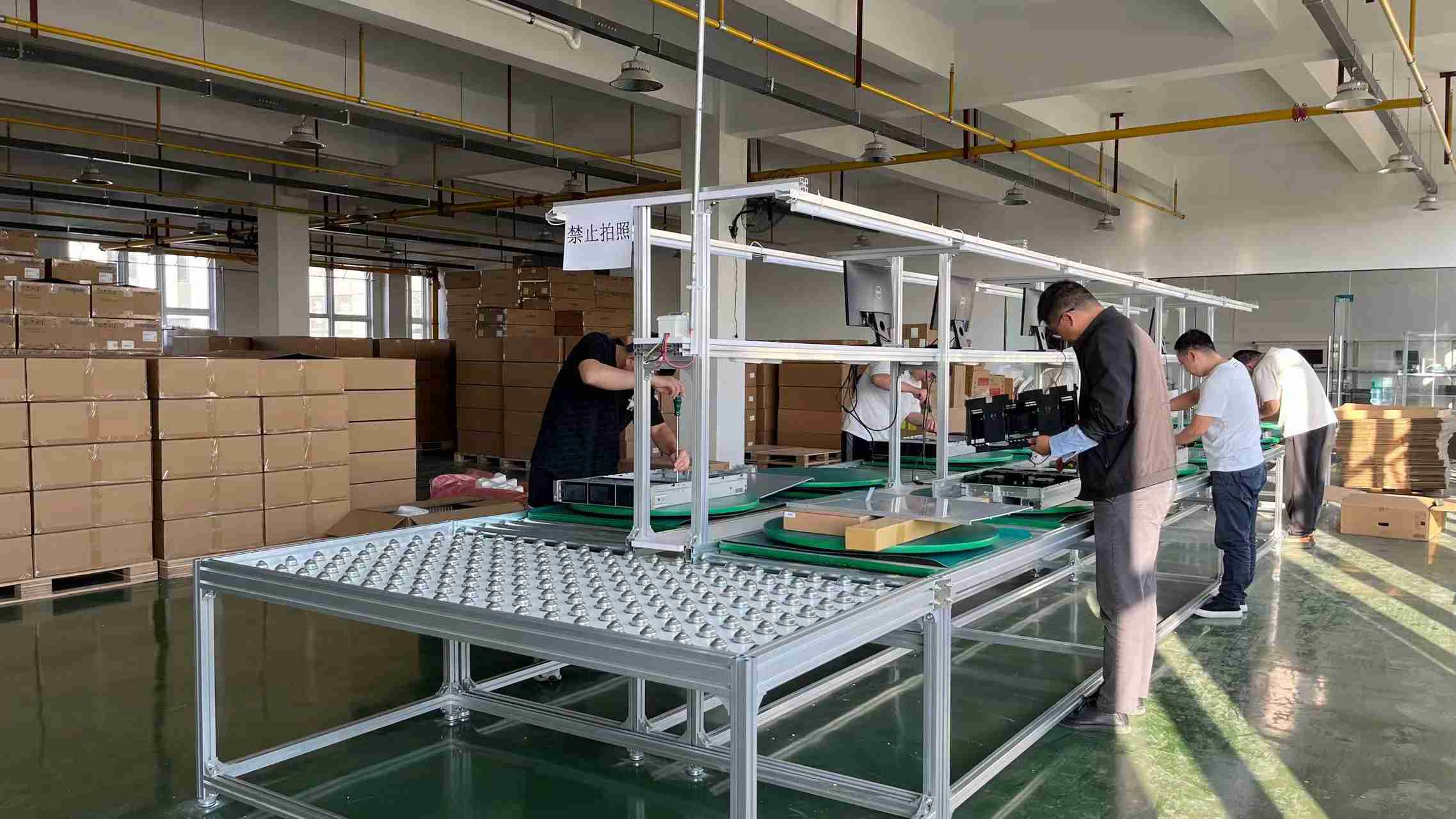
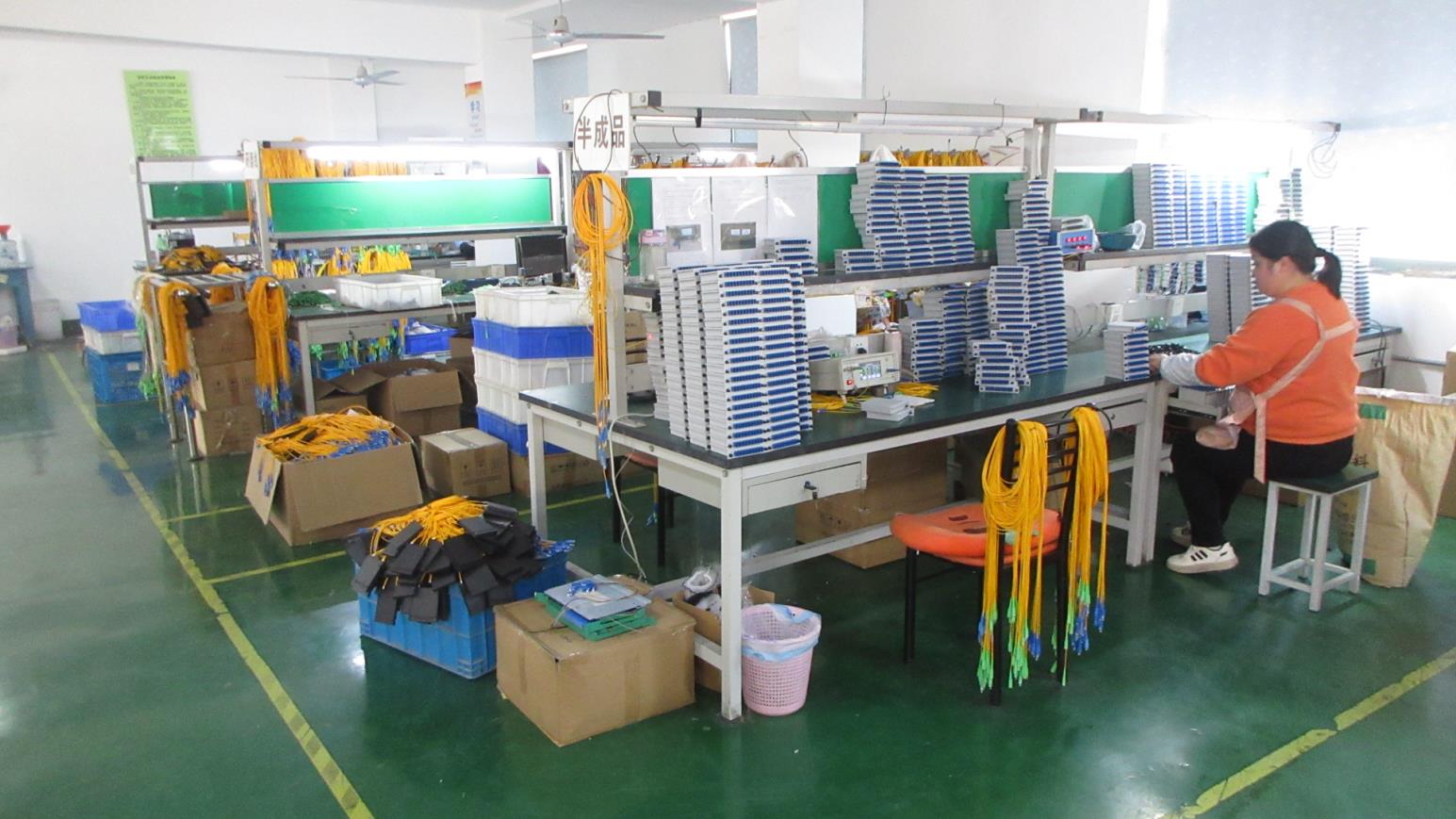
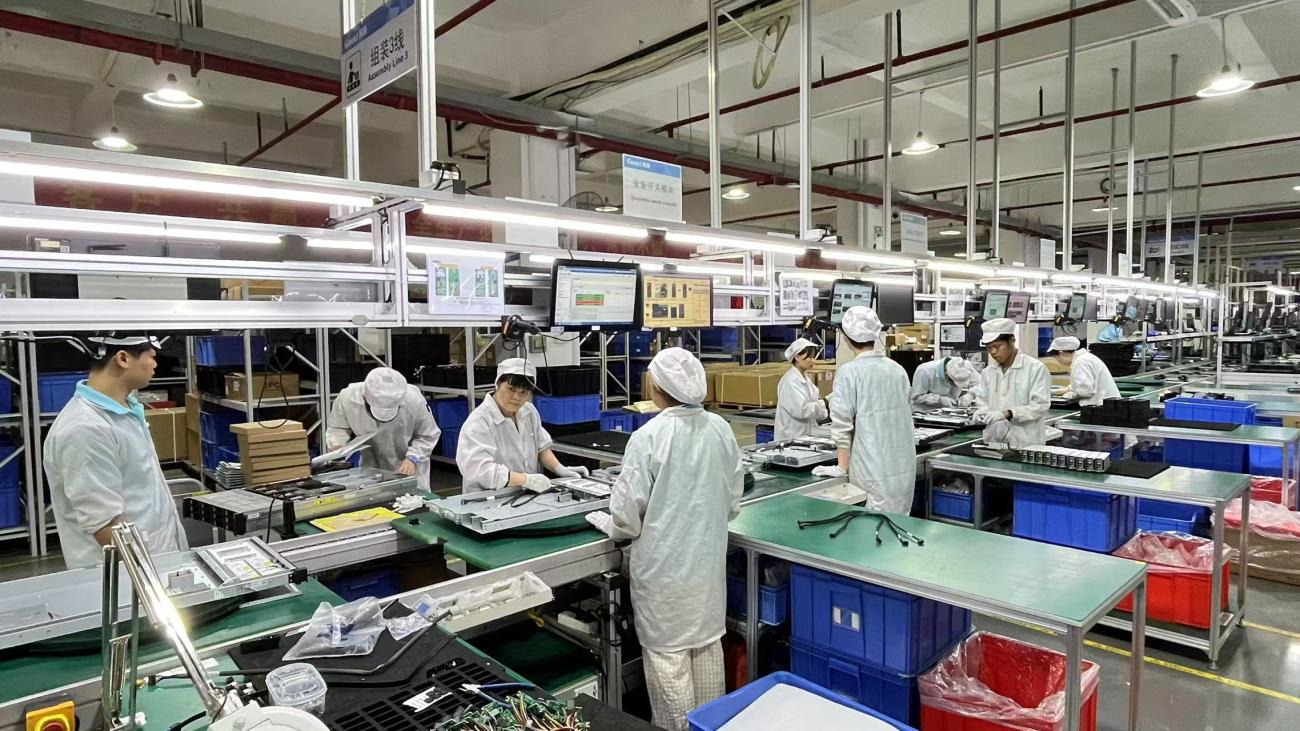

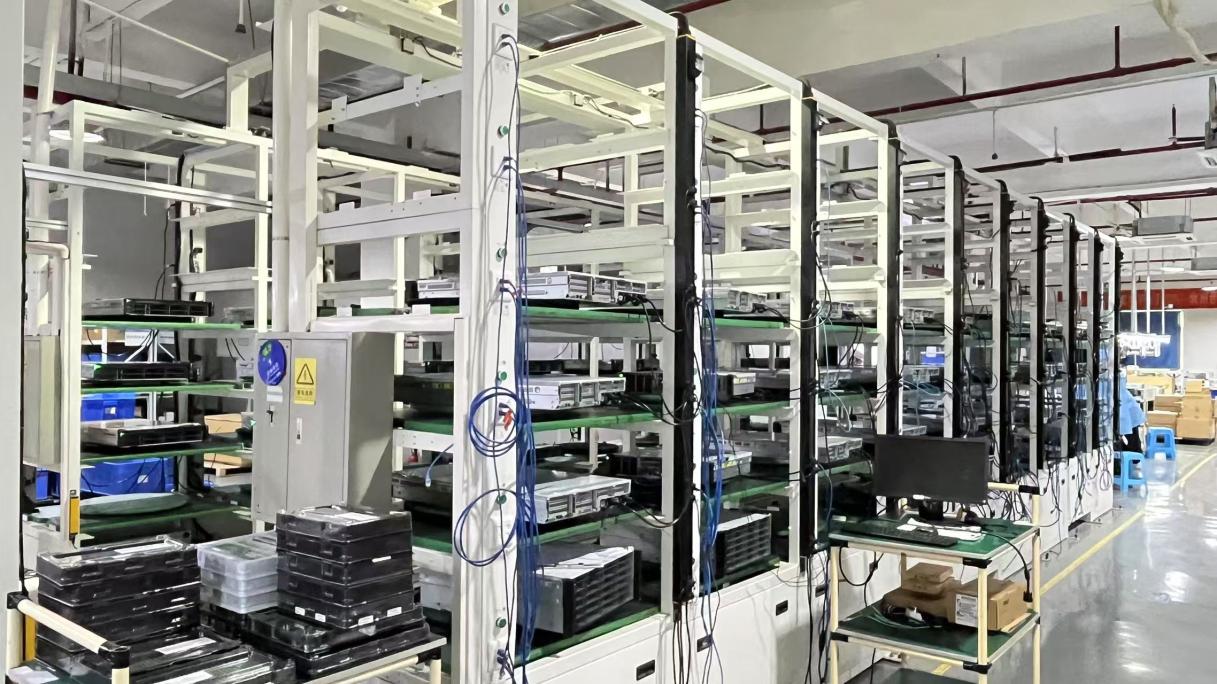
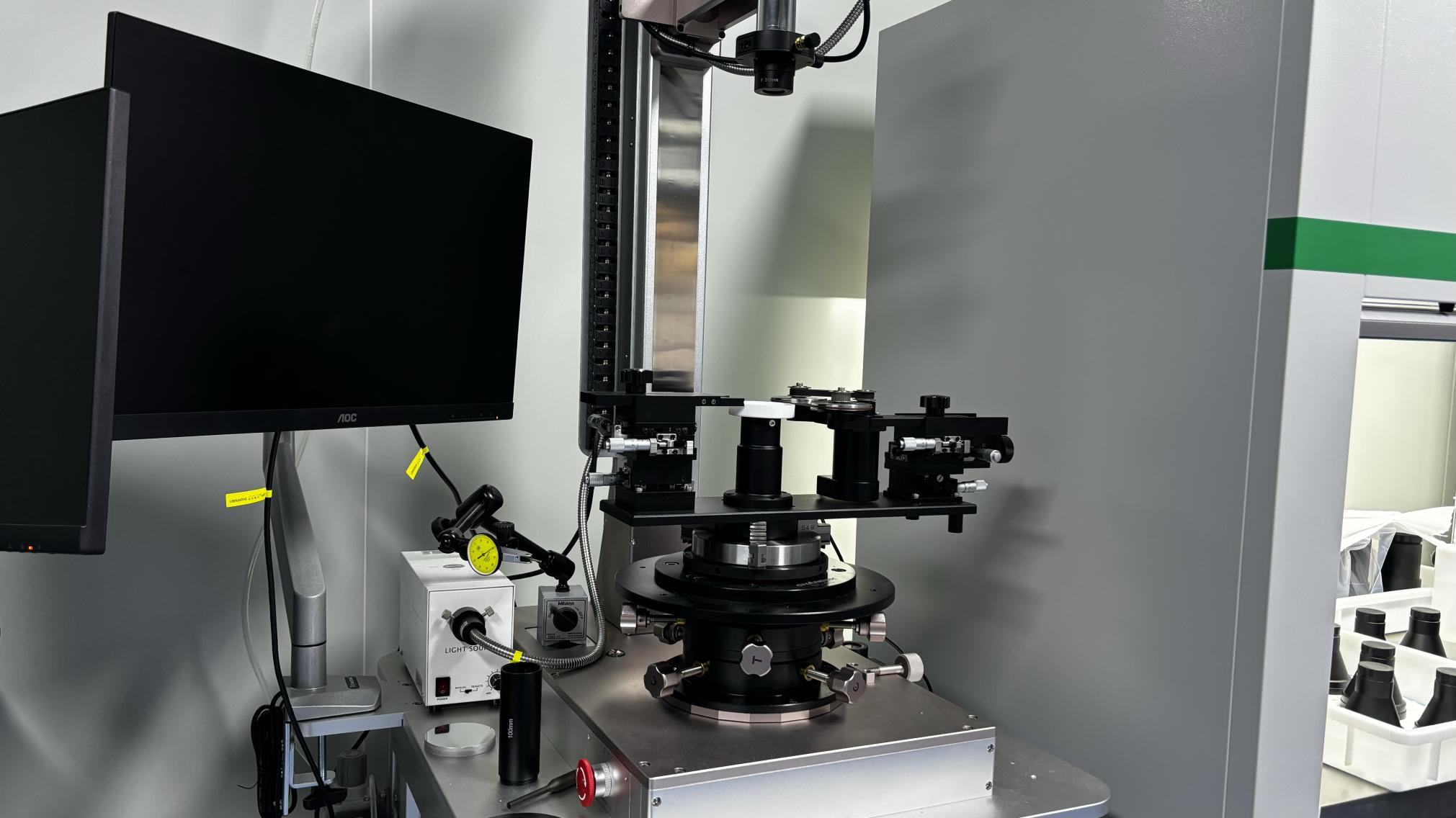
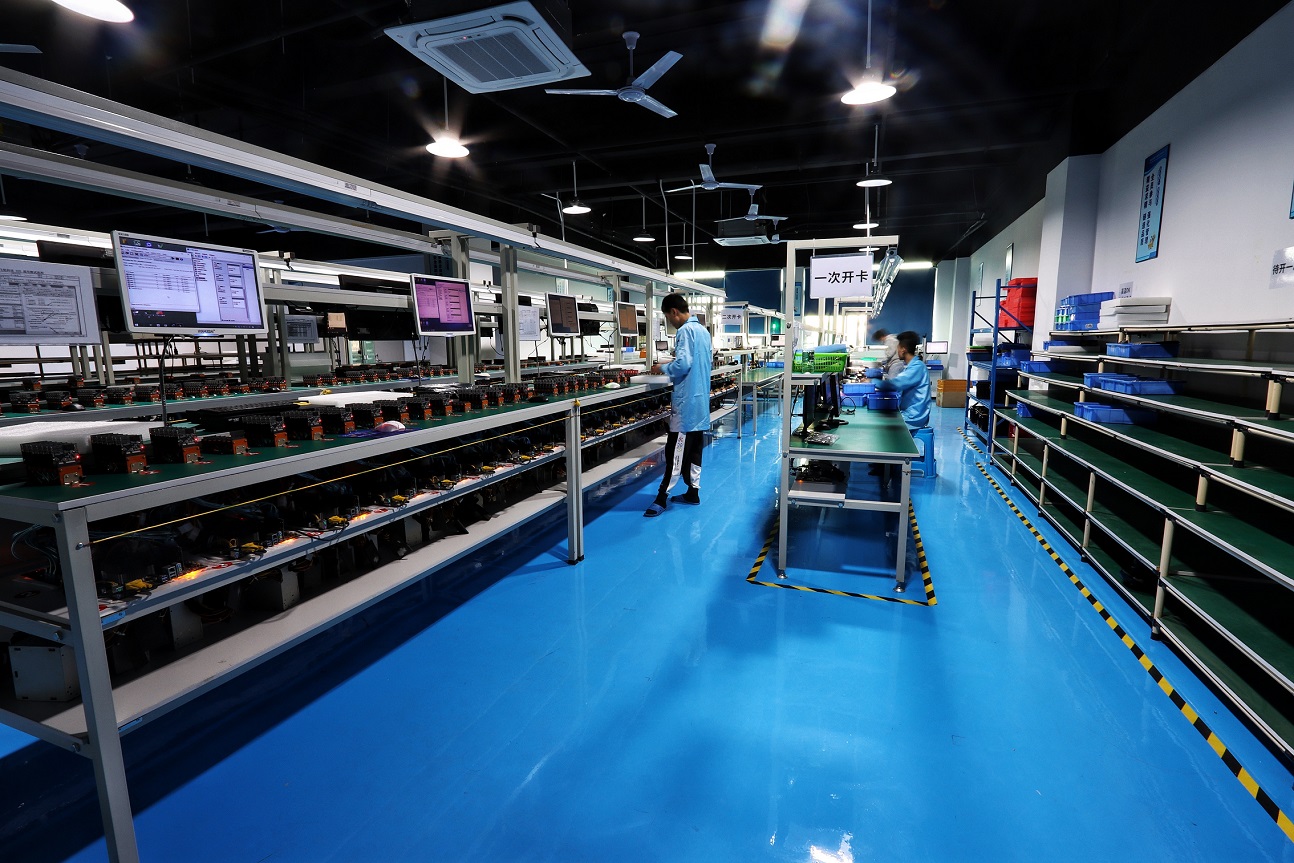
Discover our comprehensive lineup of integrated connectors, transformers, and optical modules engineered for reliable industrial communication networks.
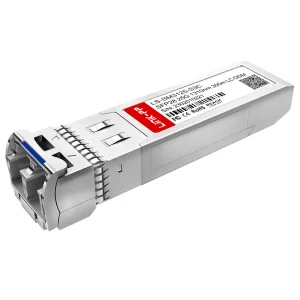
Expert answers regarding compliance standards, technical performance metrics, and customization capabilities.
 LumoWave