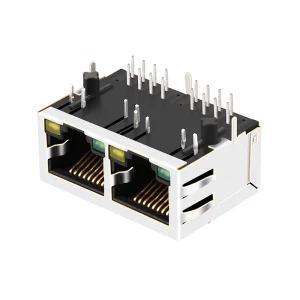
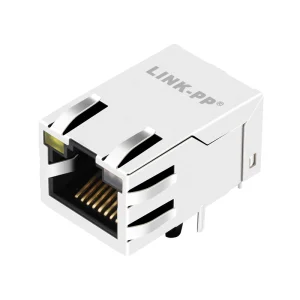
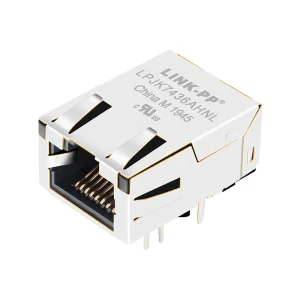
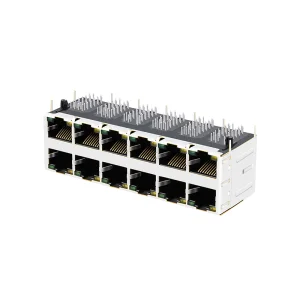
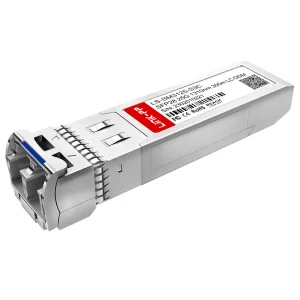
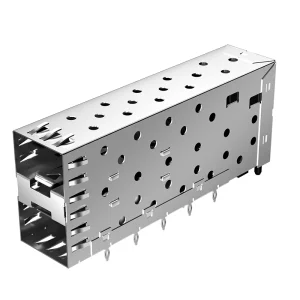
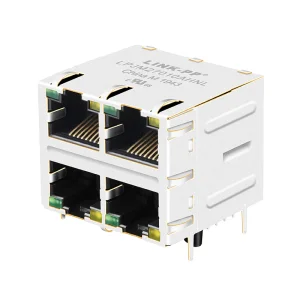
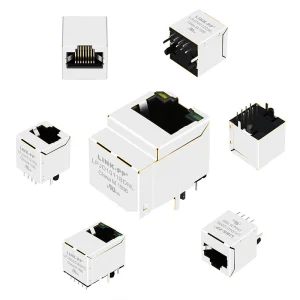
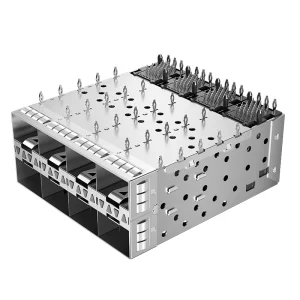
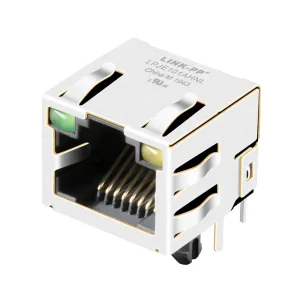
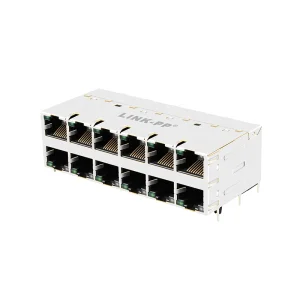
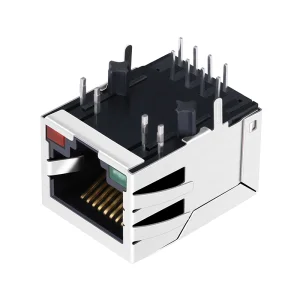
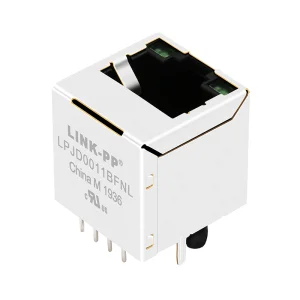
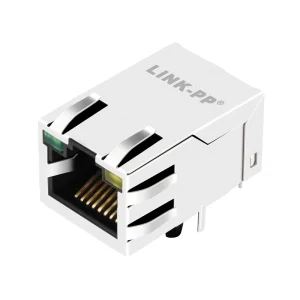
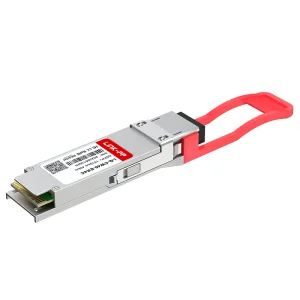
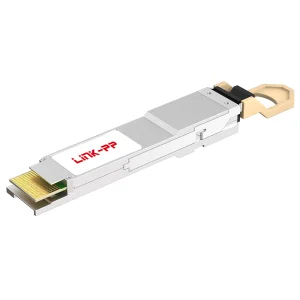
Explore our leading integrated magnetic RJ45 connectors, low-profile Ethernet ports, stacked multi-port modules, and high-bandwidth transceiver cages.
An in-depth analysis of Power over Ethernet (PoE) deployment trends, high-frequency design challenges, and the vital role of Chinese manufacturing ecosystems in the global supply chain.
LumoWave Optical Technology Co., Ltd. is a professional manufacturer specializing in high-speed connectivity solutions, ranging from high-bandwidth optical transceivers (10G to 800G) to high-performance modular RJ45 structures. Established under the brand LumoWave, our operations are optimized to bridge the gap between optical long-haul transport and copper edge networks.
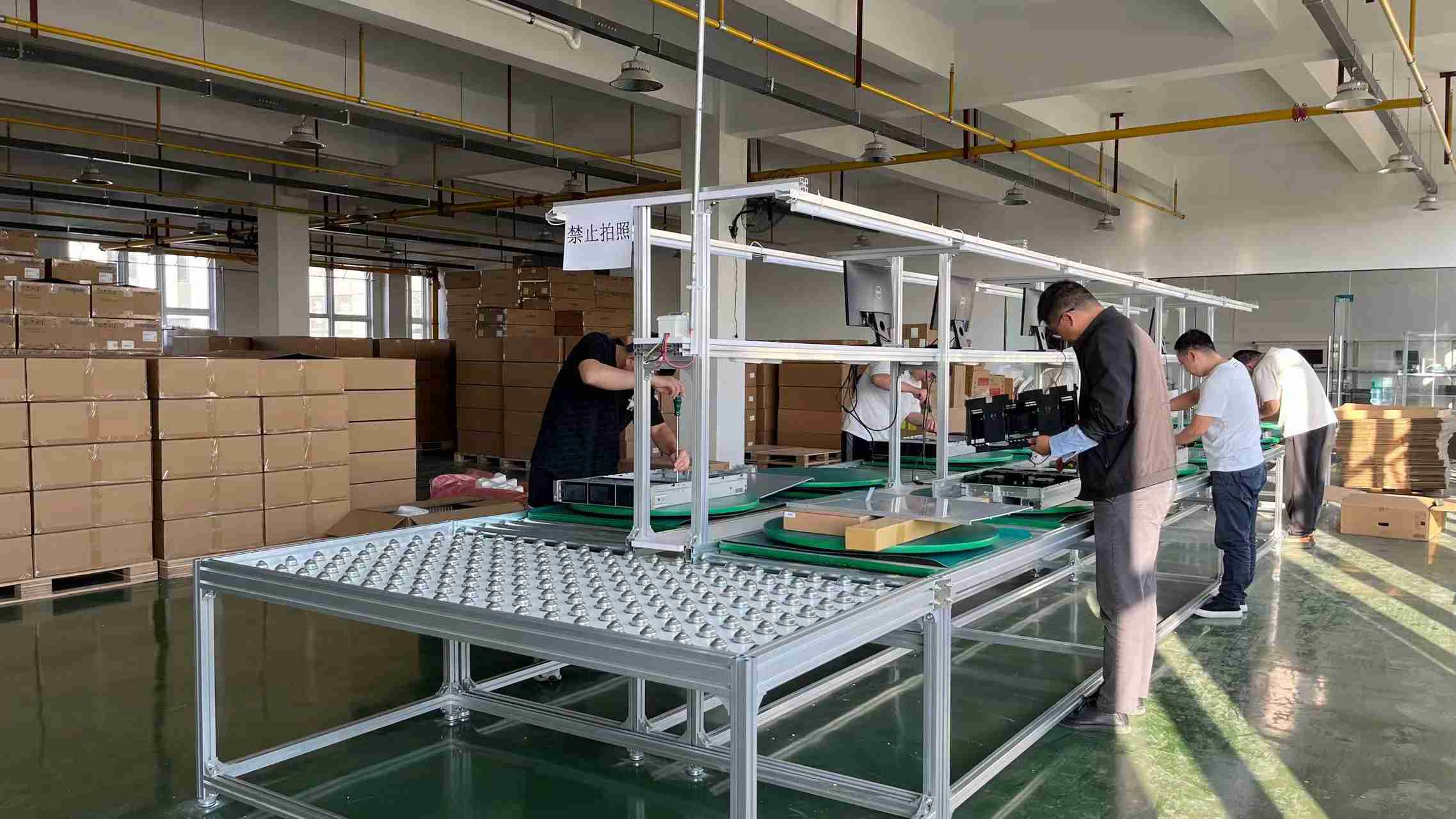
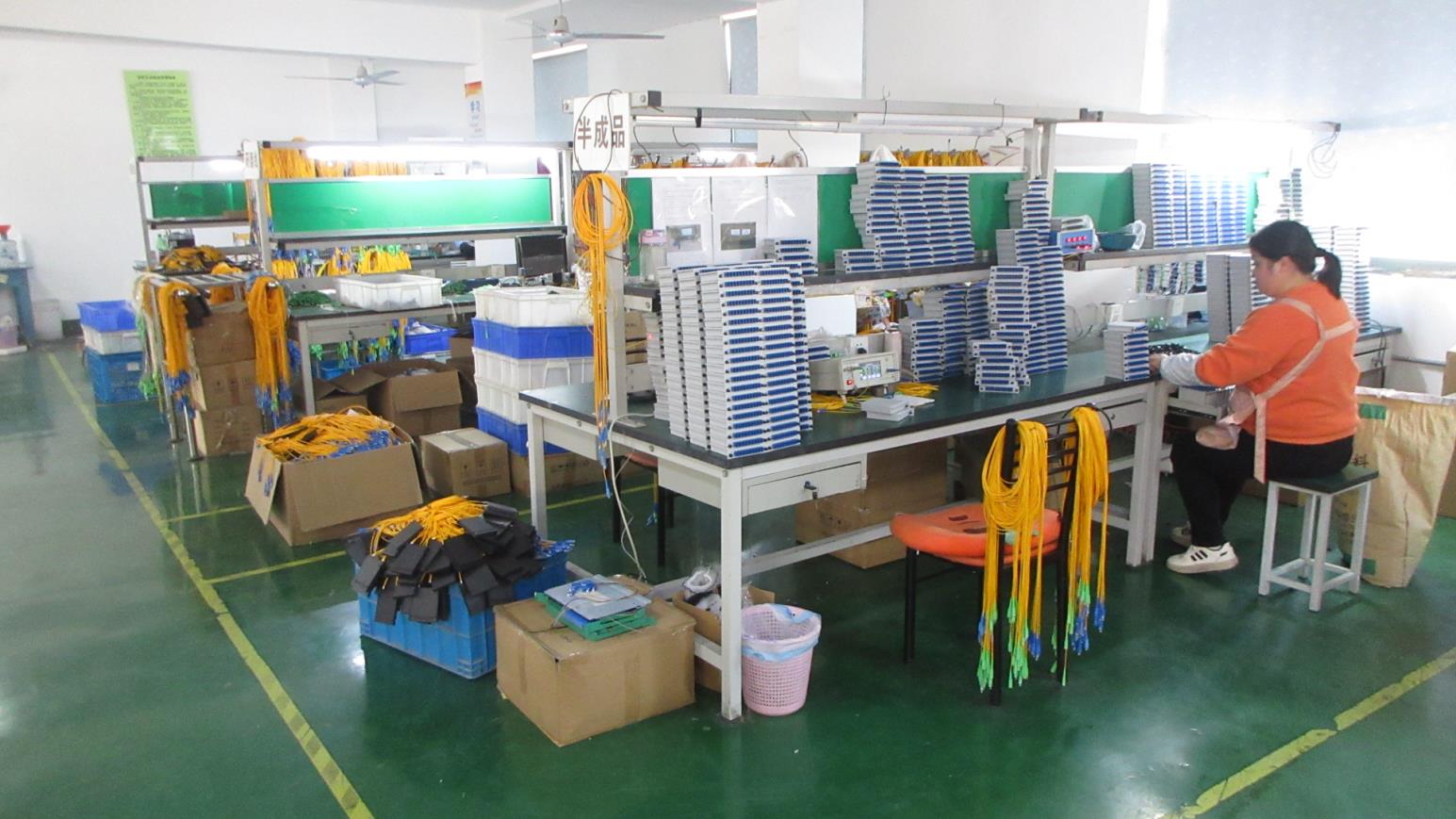
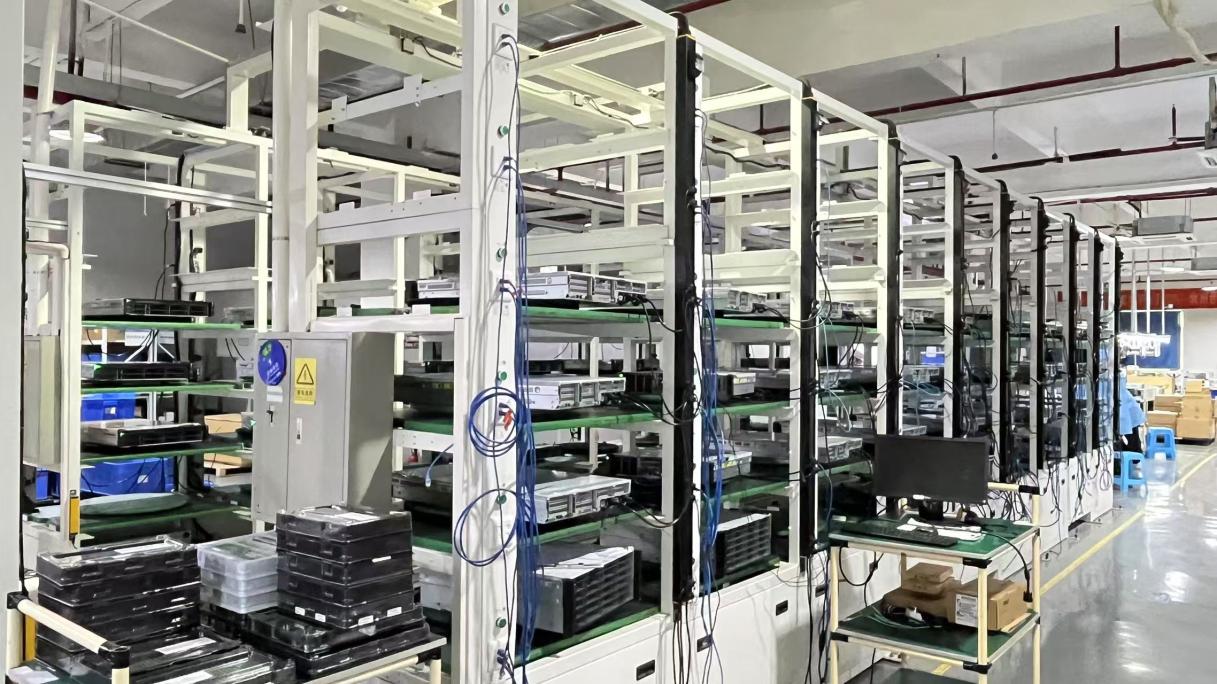
Founded in 2016, LumoWave has emerged as a key OEM/ODM manufacturing partner, operating a state-of-the-art 320,000㎡ production complex. Supporting over 1,200 upstream and downstream partners, our facilities guarantee scale, rapid iteration, and strict compliance with international telecom standards. Driven by continuous technical innovation, our R&D department rolled out approximately 120 new product designs last year, providing energy-efficient optical configurations and high-reliability magnetic interfaces to system integrators globally.
Power over Ethernet (PoE) technology has revolutionized the architectural design of modern networking environments by combining power delivery and data transmission over a single twisted-pair copper cable. According to industry forecasts, the global PoE market is growing at a compound annual rate exceeding 12%, propelled by the surge of Internet of Things (IoT) devices, smart building technologies, and 5G small cell deployments. At the core of this system is the PoE RJ45 connector, or Integrated Connector Module (ICM), which houses the physical port and the magnetic isolation transformers needed to suppress common-mode noise and protect delicate processing chips from electrical anomalies.
The standard development has evolved from legacy IEEE 802.3af (delivering up to 15.4W of DC power) to IEEE 802.3at (PoE+ providing up to 30W), and the more recent IEEE 802.3bt (PoE++ Type 3 and Type 4, delivering up to 60W and 90W respectively). As the current and heat levels rise to handle high-wattage devices like pan-tilt-zoom (PTZ) security cameras, intelligent LED lighting controllers, and high-performance wireless access points, the thermal and electrical integrity requirements for PoE RJ45 connectors have become significantly more demanding.
Designing modern PoE RJ45 connectors requires a careful balance between high-frequency signal transmission and high-power thermal management. When 90W of DC power flows through the fine copper strands of an Ethernet cable, resistive heating occurs. If the contacts of the RJ45 connector are not engineered with high-grade copper alloys and optimal gold-plating thickness (typically 30u" to 50u"), contact resistance can cause localized thermal build-up. This heat can degrade structural plastics and break down the magnetics insulation over time.
Additionally, electrical noise generated by high-power switching power supplies (such as buck regulators on PD/PSE controllers) can couple into data channels. LumoWave's integrated RJ45 connectors address this by incorporating dedicated common-mode chokes and 3-line filters directly within the metal shielding structure. This configuration maintains excellent Common Mode Rejection Ratio (CMRR) and keeps data packets free from transmission errors, even at multi-gigabit speeds like 2.5G and 10G Base-T.
The networking industry is moving toward higher integration and smaller footprints. The design and deployment of modern RJ45 connectors show three key trends:
PoE RJ45 connectors serve as vital links in diverse industrial and commercial environments, satisfying specific operating requirements across various fields:
On modern factory floors, heavy machinery and high-voltage power networks generate significant electromagnetic interference. Standard connectors often suffer from signal degradation and packet loss in these environments. Industrial-grade vertical RJ45 jacks with integrated magnetic isolation and robust shielding protect internal controller boards from ground loops, voltage transients, and electrostatic discharge. Our connectors operate reliably across a broad industrial temperature range (-40°C to +85°C), ensuring consistent performance on automated assembly lines and robotic platforms.
To support high-bandwidth computing resources, enterprise data switches require space-efficient layouts. Utilizing 2x6 and 2x8 stacked modular RJ45 sockets with integrated LEDs reduces board footprints by up to 50% compared to discrete designs. These multi-port connectors are engineered with built-in spring tabs (EMI fingers) to establish solid contact with enclosure openings, preventing electromagnetic noise leakage and helping equipment meet FCC and CE Class B emission limits.
Outdoor camera installations, smart traffic monitors, and passenger information displays must withstand harsh weather and temperature fluctuations. PoE-enabled vertical top-entry RJ45 jacks allow simple vertical cable insertion, reducing stress on cable assemblies. High-performance internal sealing and gold-plated contact pins prevent corrosion, ensuring reliable operation for municipal infrastructure.
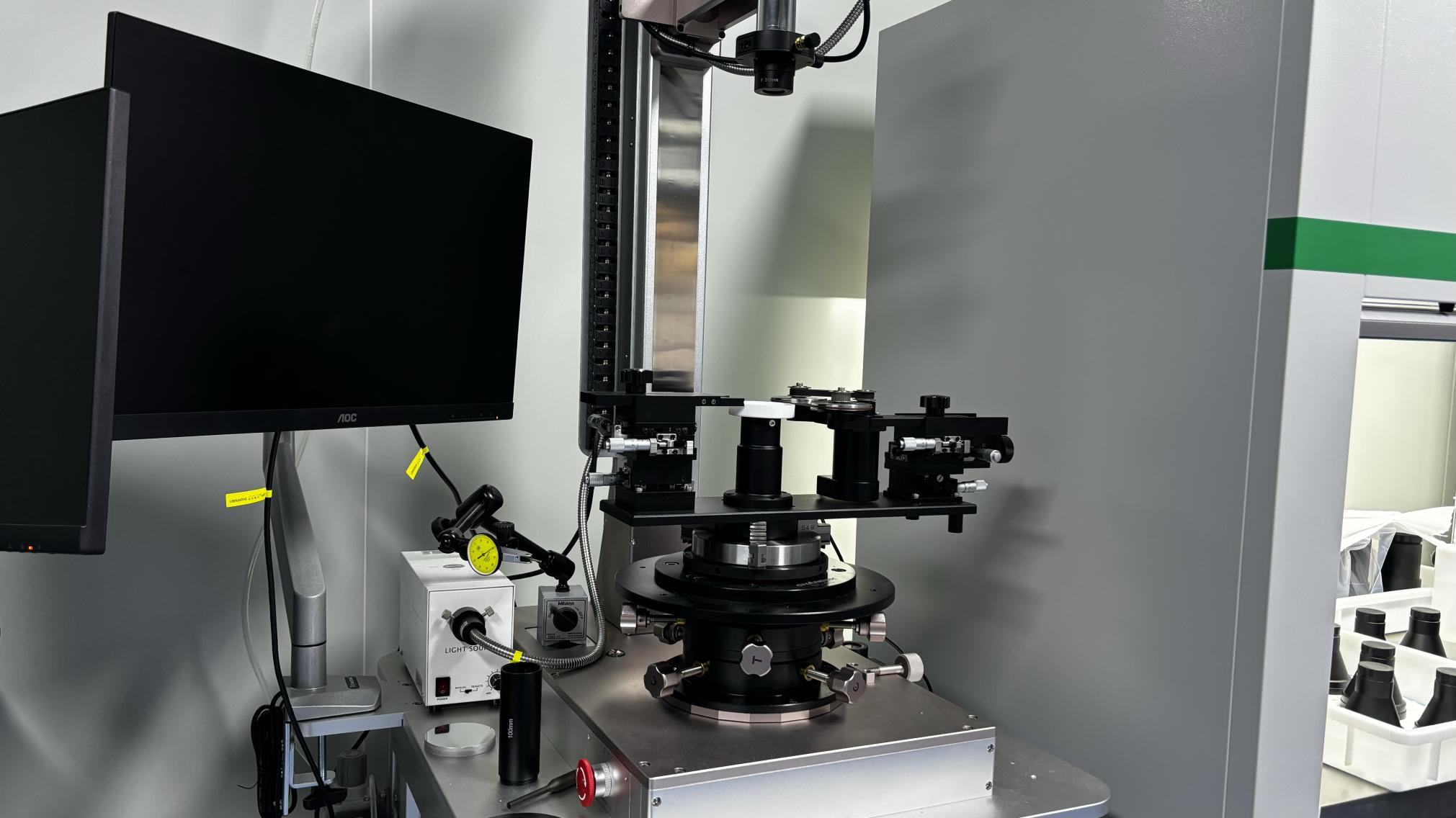
To ensure high performance and reliability, LumoWave maintains a strict quality control workflow across all manufacturing stages:



Review detailed answers to technical and mechanical design queries regarding high-speed PoE RJ45 integration, magnetic components, and thermal specifications.
Explore our additional selections of press-fit cage assemblies, single-port MagJacks, and ultra-high-bandwidth transceiver modules.
 LumoWave