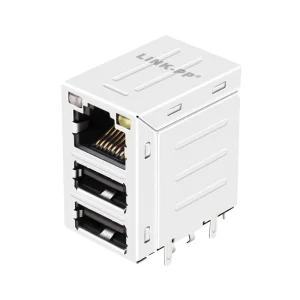
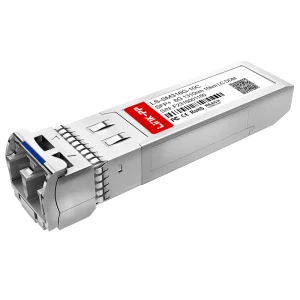
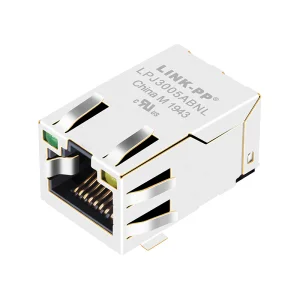
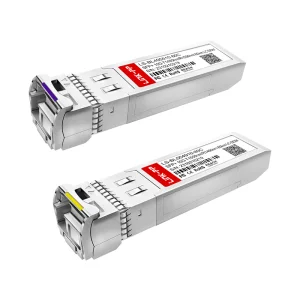
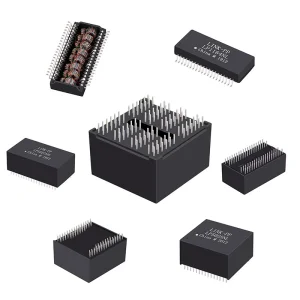
Engineered for maximum signal integrity, electromagnetic shielding, and longevity in high-density data architectures.
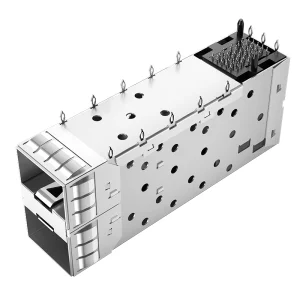
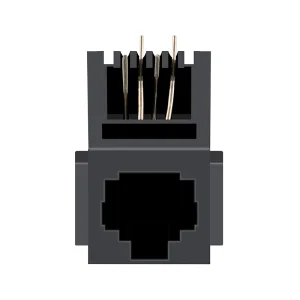
The global networking landscape is undergoing a massive transformation driven by 5G rollouts, IoT scale, and artificial intelligence model execution. At the baseline of this infrastructure is the connection interface, historically dominated by the RJ45 physical profile. Despite the rise of single-mode and multi-mode optical architectures in long-haul systems, the 8P8C (Eight Position Eight Contact) configuration—conventionally termed the RJ45 Network Plug—remains the undisputed standard for local area networks (LANs), power delivery over ethernet (PoE), and server-to-switch short-range links.
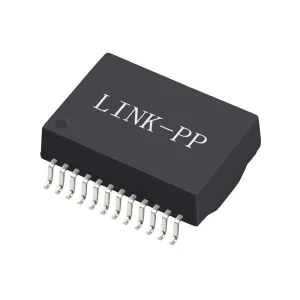
As data throughput escalates from 1Gbps to 10Gbps and ultimately toward Multi-Gigabit copper limits, standard RJ45 connectors must adapt. Signal attenuation, electromagnetic interference (EMI), and insertion loss degrade signal integrity at higher frequencies. Legacy Cat5e structures are rapidly being replaced by Cat6A and Cat8 standards, which require strict shielding configurations, integrated magnetics, and advanced PCB layouts inside the connector housing itself. Modern RJ45 jacks are no longer passive plastic molds; they are complex integrated component modules (ICMs) containing internal transformers, common mode chokes, and shielding shrouds designed to maintain low Bit Error Rates (BER) at frequencies up to 2000 MHz.
"High-performance signal transmission requires a holistic approach where electrical engineering meets precise mechanical design. The integration of high-grade copper paths, magnetic filtering, and advanced shielding is essential for next-generation network performance."
Industrial, enterprise, and cloud deployments demand robust hardware that adapts to three major macro trends:
| Specification/Standard | Cat 5e | Cat 6A | Cat 8 |
|---|---|---|---|
| Max Data Rate | 1 Gbps | 10 Gbps | 25 / 40 Gbps |
| Max Frequency | 100 MHz | 500 MHz | 2000 MHz |
| PoE Compatibility | Up to 15.4W (802.3af) | Up to 60W (802.3at+) | Up to 100W (802.3bt Type 4) |
| Primary Application | Residential / Basic Office | Enterprise LAN / Data Centers | Switch-to-Server / Datacenter Spine |
When specifying RJ45 sockets, transformers, and optical modules, enterprise buyers face critical challenges regarding signal integrity and system reliability:
High-speed data pathways run close together, generating internal crosstalk (NEXT and FEXT) and susceptibility to external EMI. High-quality RJ45 components utilize integrated multi-point grounding tabs and nickel-plated brass or copper alloy shells. These shields direct high-frequency noise away from the internal signal paths to the system ground.
Over repeated insertion cycles, contact pins oxidize and wear down, increasing contact resistance. This causes packet loss and overheating, especially under high PoE loads. Reliable manufacturers use phosphor bronze contact pins plated with up to 50 micro-inches of gold over a nickel underplate, ensuring low contact resistance (< 20mΩ) and a minimum of 750 insertion-extraction cycles.
Surface Mount Technology (SMT) components face high temperatures during assembly reflow profiles (often exceeding 260°C). Connectors must use high-temperature, flame-retardant thermoplastic materials (like LCP or high-temp Nylon) to prevent housing deformation, misalignments, or pin detachment.
As a professional optical transceiver and networking hardware manufacturer, LumoWave Optical Technology Co., Ltd. (operating under the global brand LumoWave) specializes in high-speed communication solutions for global data centers, telecom operators, and enterprise networking applications.
Founded in 2016, LumoWave has grown into a reliable OEM/ODM supplier. Our modern production facility covers approximately 320,000㎡. We generate an annual export revenue of around $12 million, supported by 8 years of export experience and 12 years of industry expertise in optical communication and networking technologies.
Our comprehensive quality assurance system manages product reliability from design to delivery, spanning incoming material inspection (IQC), in-process quality control (IPQC), and final product testing (FQC). Advanced testing methods—such as optical power testing, BER testing, wavelength accuracy testing, temperature cycling, and aging stress tests—ensure every component meets strict performance standards. We employ 45 dedicated quality control personnel to maintain compliance with international expectations.
Driven by innovation, our R&D team of 85 engineers released approximately 120 new product designs last year, focusing on next-generation high-speed transmission technologies, energy-efficient optical modules, and optimized copper connector formats.
LumoWave operates a global trade footprint serving major markets in North America, Europe, Southeast Asia, and the Middle East. Our supply chain ecosystem includes more than 1,200 upstream and downstream partners, enabling flexible and scalable production to handle large-scale rollouts.
Our core customer base includes telecom operators, data center integrators, cloud service providers, system equipment manufacturers, and network solution providers. To meet specific project needs, LumoWave offers customization options including wavelength tuning, distance optimization, EEPROM programming, and private labeling services. We ensure compatibility with evolving global network standards to serve as a reliable partner in the optical and copper communication industry.
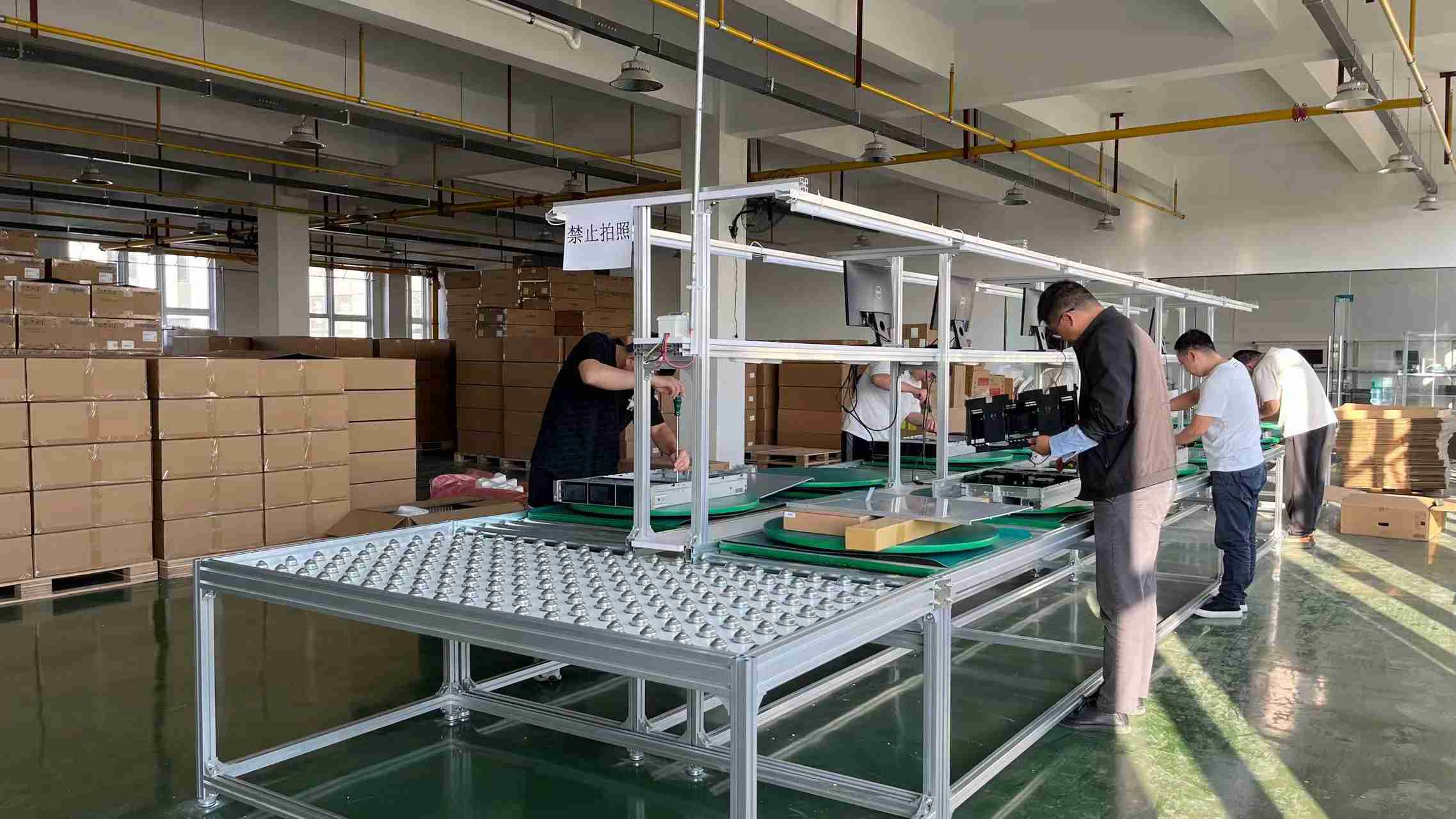
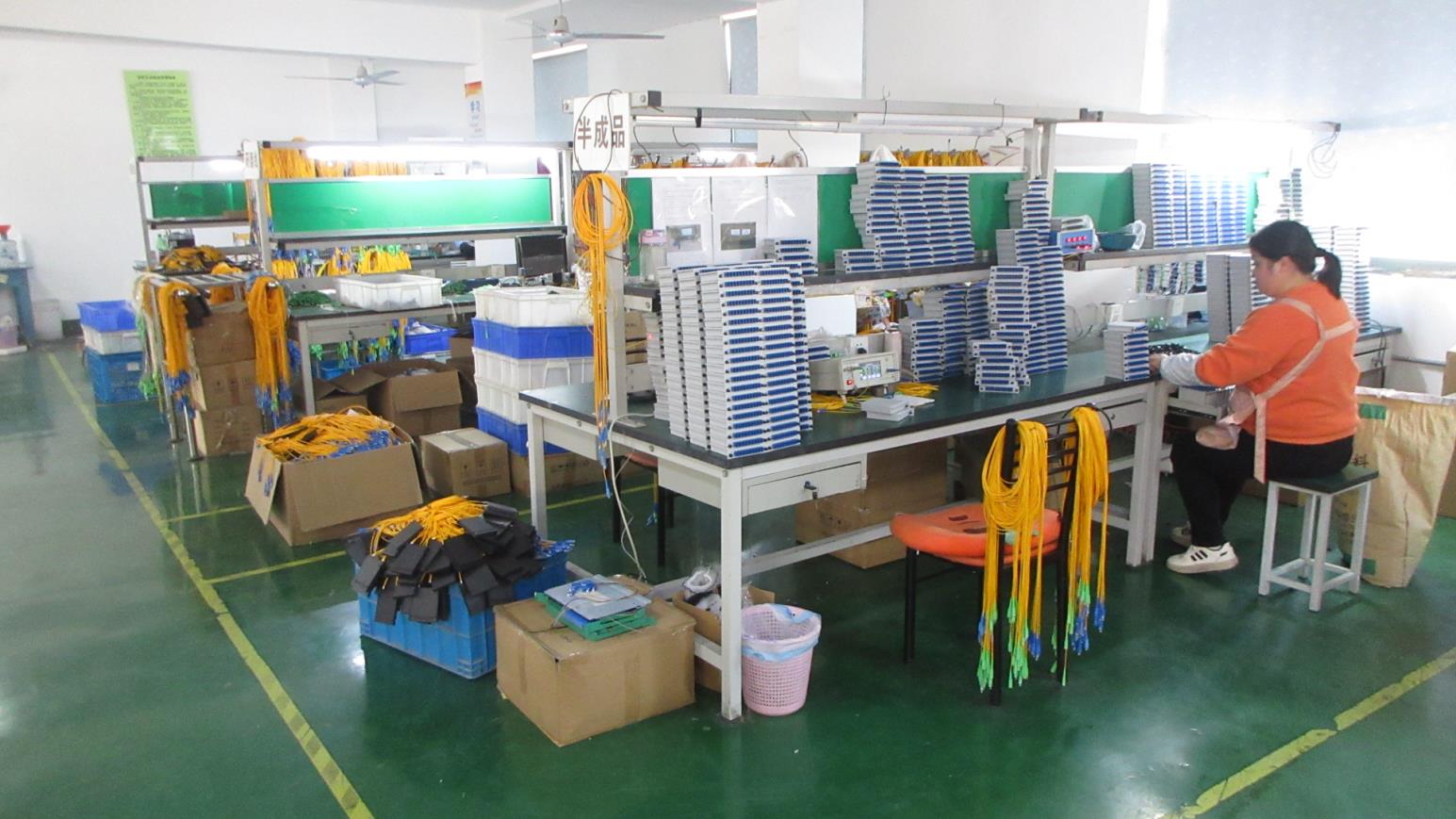
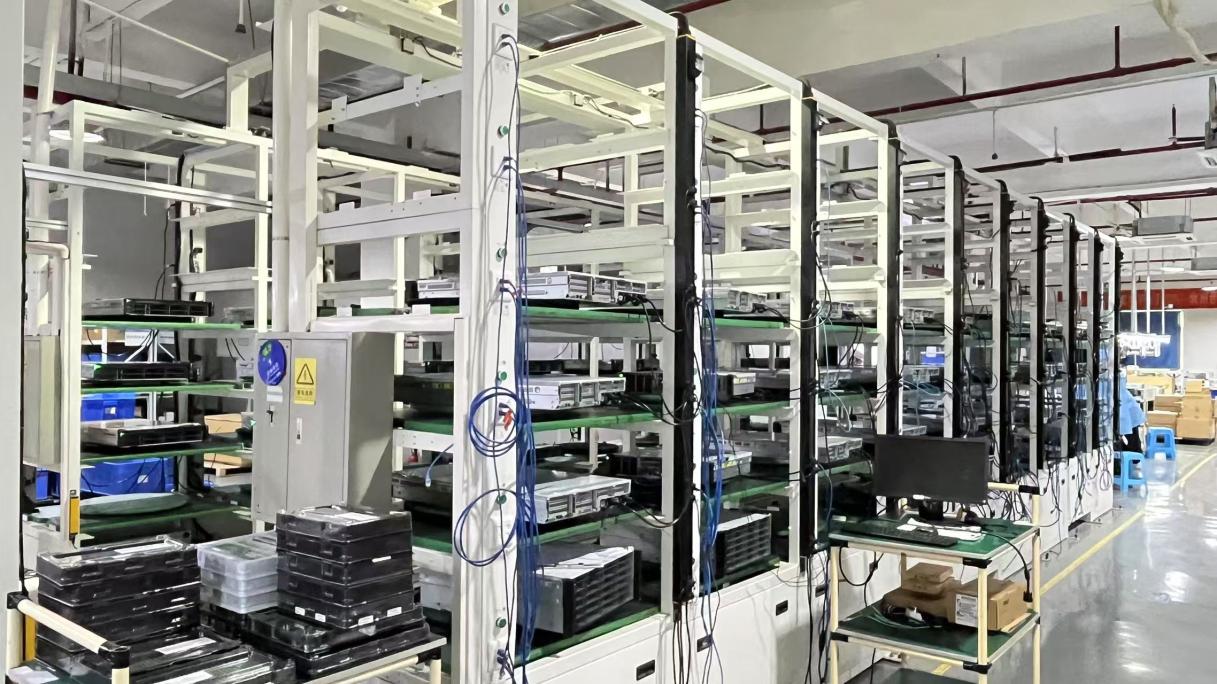
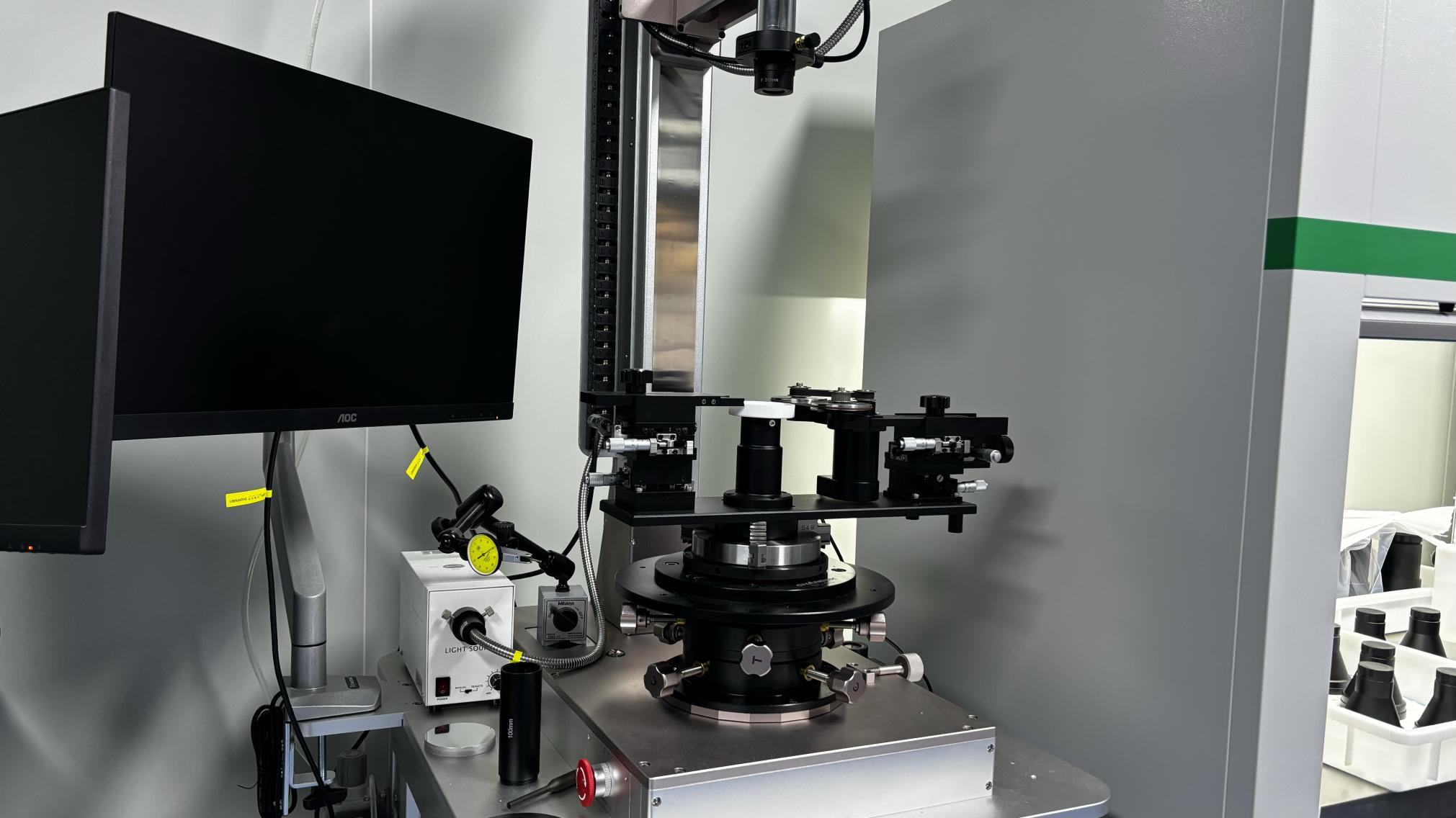
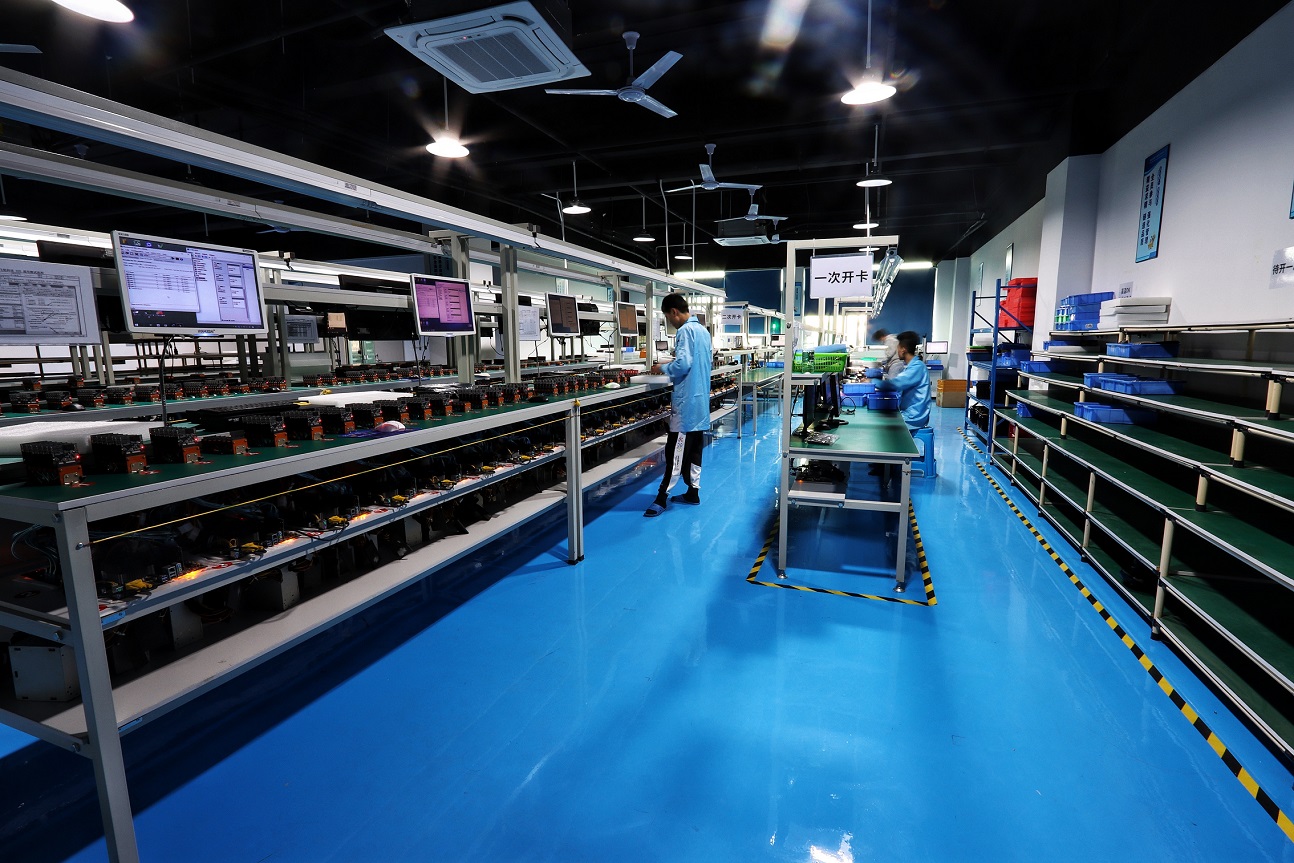
Our production facilities and testing environments maintain high precision, cleanliness, and ESD safety to ensure component reliability.


As bandwidth needs grow, standard 4-pair copper cables face physical limits. The industry is moving in two directions:
For industrial automation and building controls, Single Pair Ethernet (SPE) under IEEE 802.3cg/ch is gaining traction. SPE runs over a single pair of copper wires instead of four, reducing weight, cost, and size by up to 75% while delivering data and power (PoDL - Power over Data Line) over long distances.
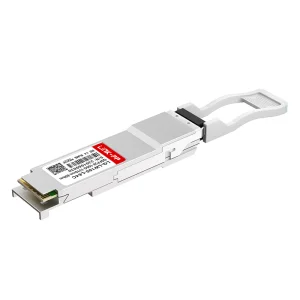
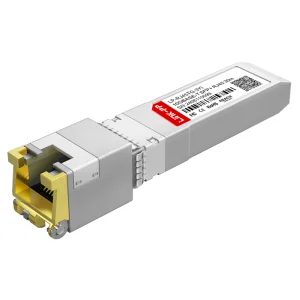
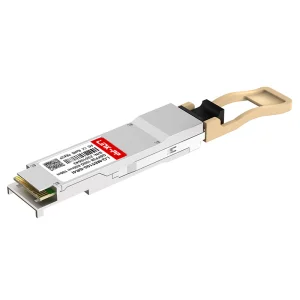
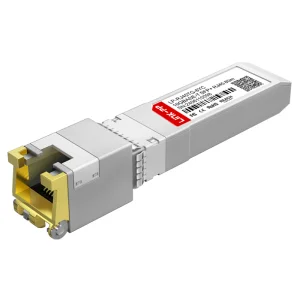
For enterprise switches and data centers, optical-to-copper transceivers bridge the gap. Using SFP+ and QSFP formats with high-performance PHY chips, these modules support 10G speeds over standard Cat6A copper patch cords up to 30 or 80 meters, allowing companies to upgrade speeds without re-cabling to fiber.
An ICM integrates magnetic components (transformers and common-mode chokes) directly inside the shielded RJ45 metal housing. This design saves board space on the host PCB, improves EMI protection by shortening signal traces to the PHY chip, and ensures reliable isolation that meets IEEE 802.3 isolation standards.
When connectors are mated or unmated under power, tiny electrical arcs occur. Standard thin plating wear out quickly, leading to oxidation. Thicker gold plating (such as 50 micro-inches) resists arcing, limits corrosion, and ensures stable contact resistance over hundreds of insertions.
Yes, most SFP+ copper modules are hot-pluggable and support auto-negotiation. However, because copper modules draw more power than optical transceivers (often 2.0W to 2.5W), host switches must have adequate thermal cooling and power margins, particularly when populating adjacent ports.
Critical testing metrics include Insertion Loss, Return Loss, Near-End Crosstalk (NEXT), Common Mode Rejection Ratio (CMRR), and Hi-Pot isolation testing (typically 1500V AC/1mA for 60 seconds) to verify isolation protection.
LumoWave modules undergo EEPROM coding and compatibility testing on major switch platforms, matching vendor-specific MSA (Multi-Source Agreement) requirements for plug-and-play operation.
SMT (Surface Mount Technology) components are soldered directly to PCB pads, matching automated reflow processes. Press-Fit pins rely on mechanical friction inside plated through-holes, avoiding thermal soldering stress and offering high mechanical retention for rugged settings.
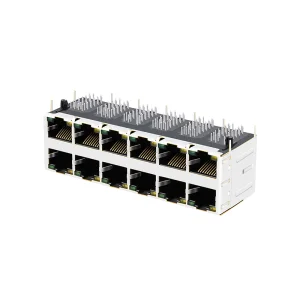
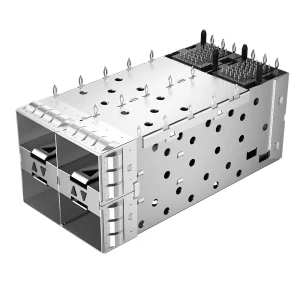
Multi-port stacked configurations use internal metal shielding plates to isolate adjacent channels, preventing electromagnetic coupling between adjacent ports.
Exported components must meet environmental standards like RoHS and REACH, safety listings like UL 94V-0 for plastic flammability, and transmission compliance standards like IEEE 802.3 and ANSI/TIA-568.
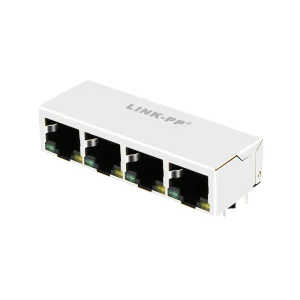
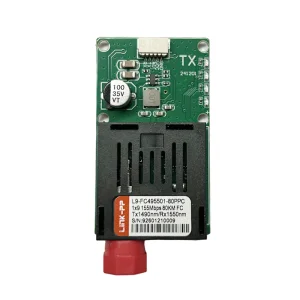
Complete list of specialized interface converters, LAN filter modules, and high-speed optical transceivers.
 LumoWave