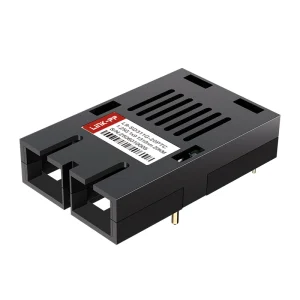
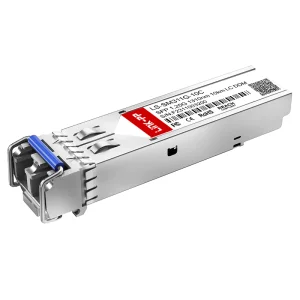
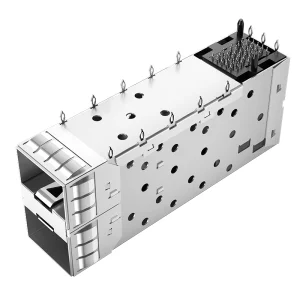
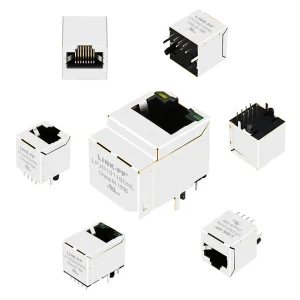
Tokyo stands as the crown jewel of the Asia-Pacific digital economy. From the high-frequency trading floors in Kabutocho to the massive data center clusters in Inzai and Toyosu, the demand for reliable SFP (Small Form-factor Pluggable) connectors has never been higher. As Tokyo aggressively moves toward its "Society 5.0" vision, integrating AI, IoT, and Big Data into every facet of urban life, the underlying optical infrastructure requires a new level of precision and durability.
Tokyo's urban infrastructure is being retrofitted with thousands of edge computing nodes. Our SFP connectors provide the critical link between 5G base stations and core metropolitan networks, ensuring zero-latency data transmission for autonomous transport and smart grid management.
In the world of the Tokyo Stock Exchange, milliseconds equate to millions. We export SFP solutions characterized by ultra-low signal attenuation and superior EMI shielding, essential for the high-density switching environments of top-tier Japanese financial institutions.
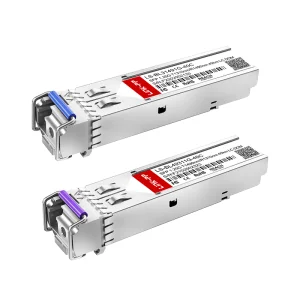
LumoWave Optical Technology Co., Ltd. is a professional optical transceiver manufacturer specializing in high-speed fiber optic communication solutions for global data centers, telecom operators, and enterprise networking applications. Built under the brand LumoWave, the company is committed to delivering stable, high-performance, and cost-effective optical modules ranging from 10G to 800G, including SFP, QSFP, QSFP-DD, and coherent transmission solutions.
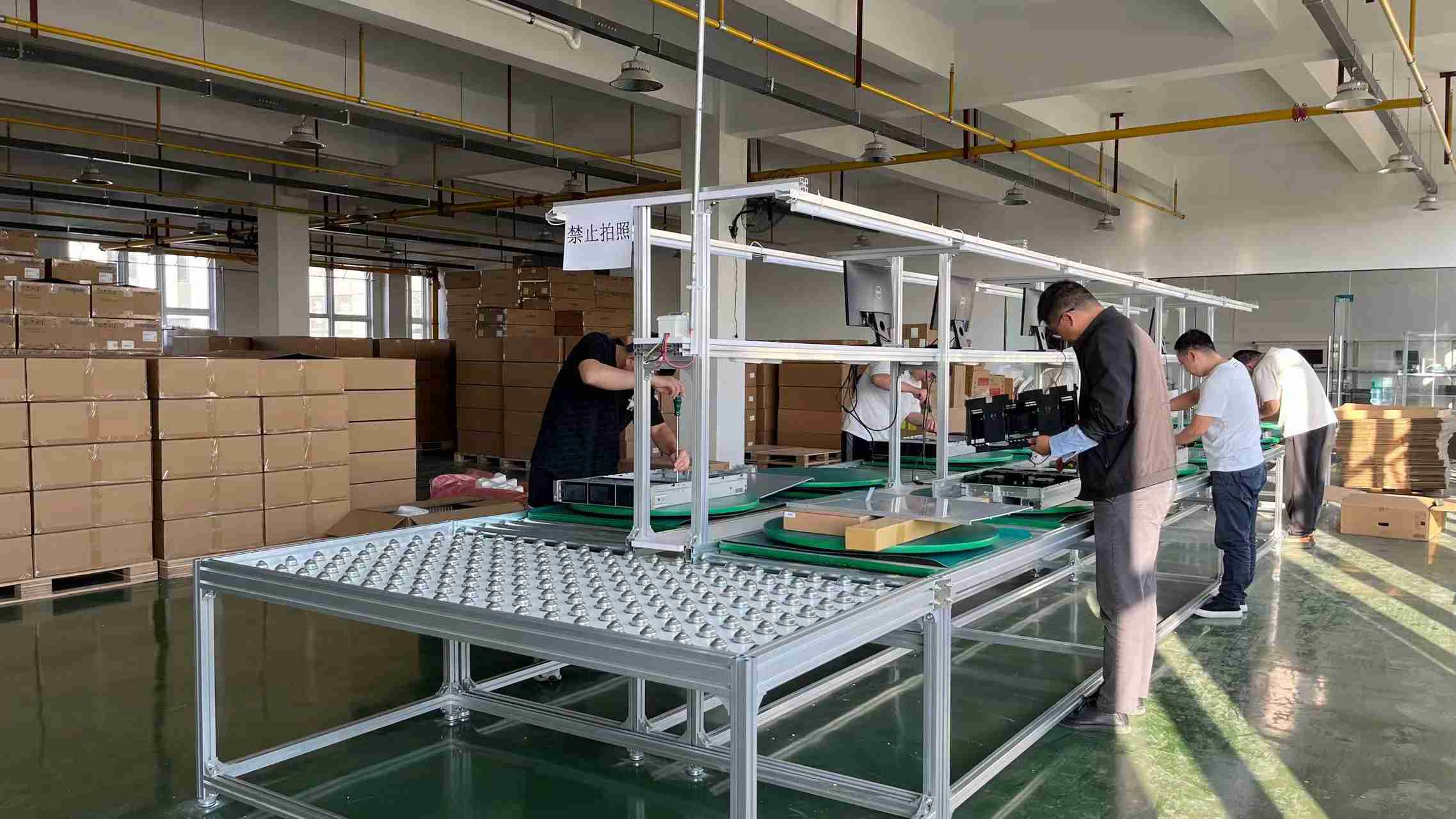
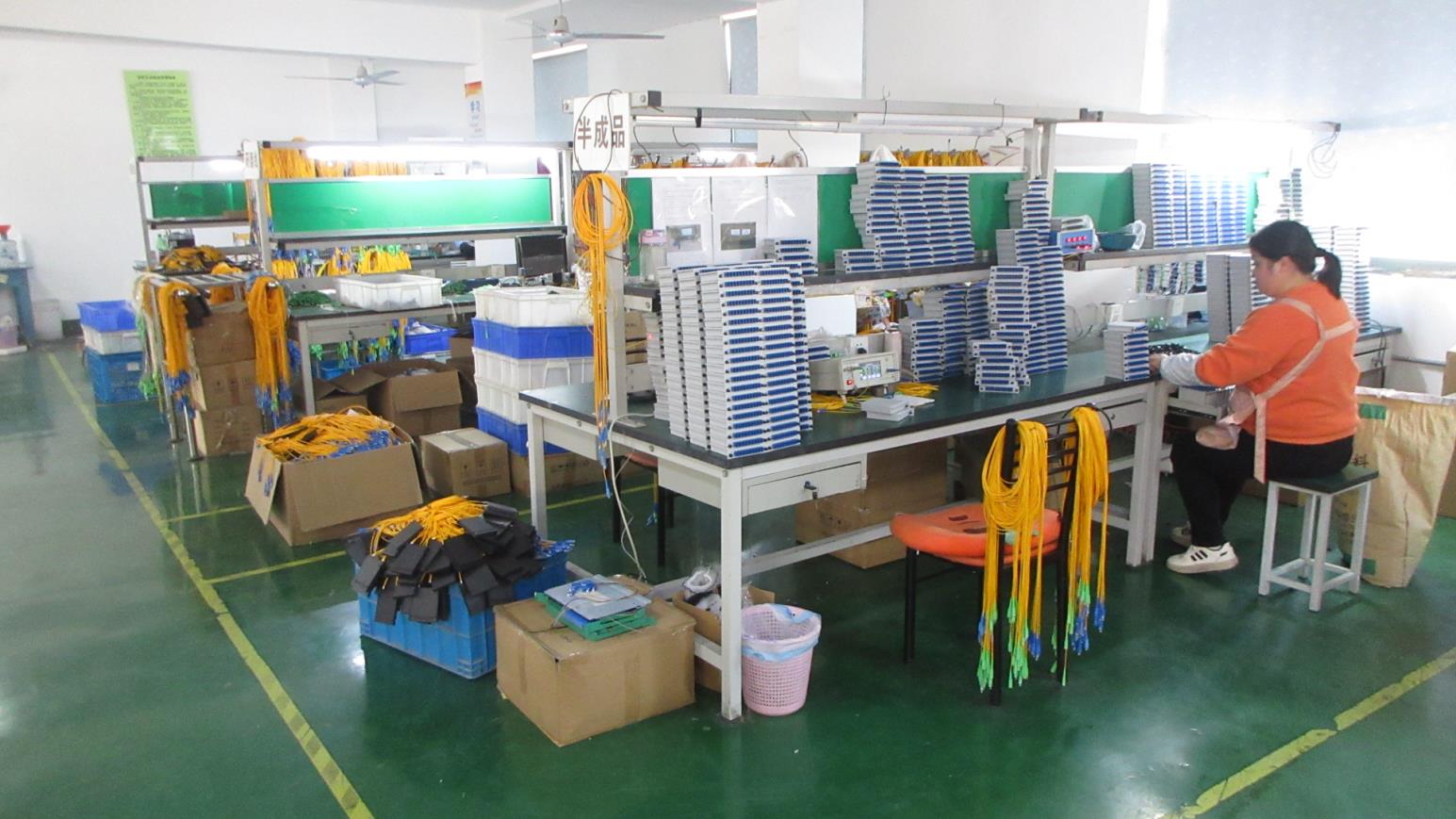
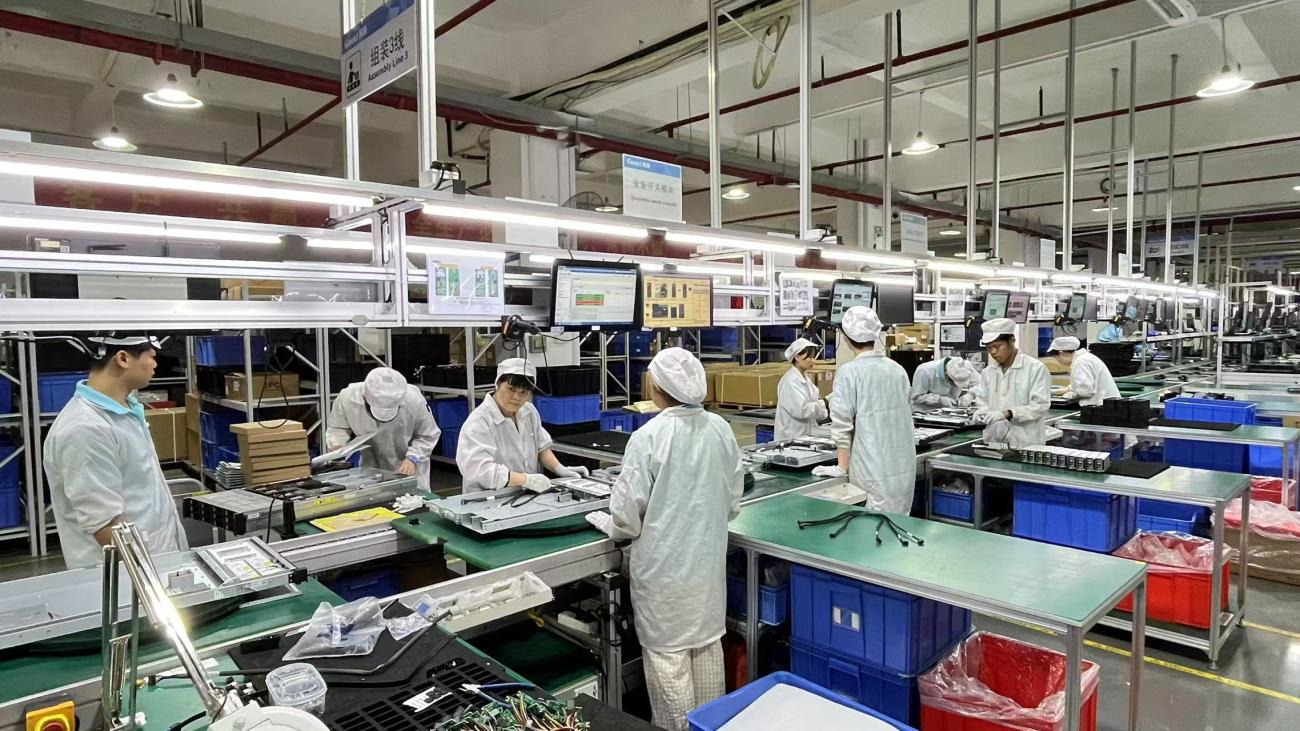
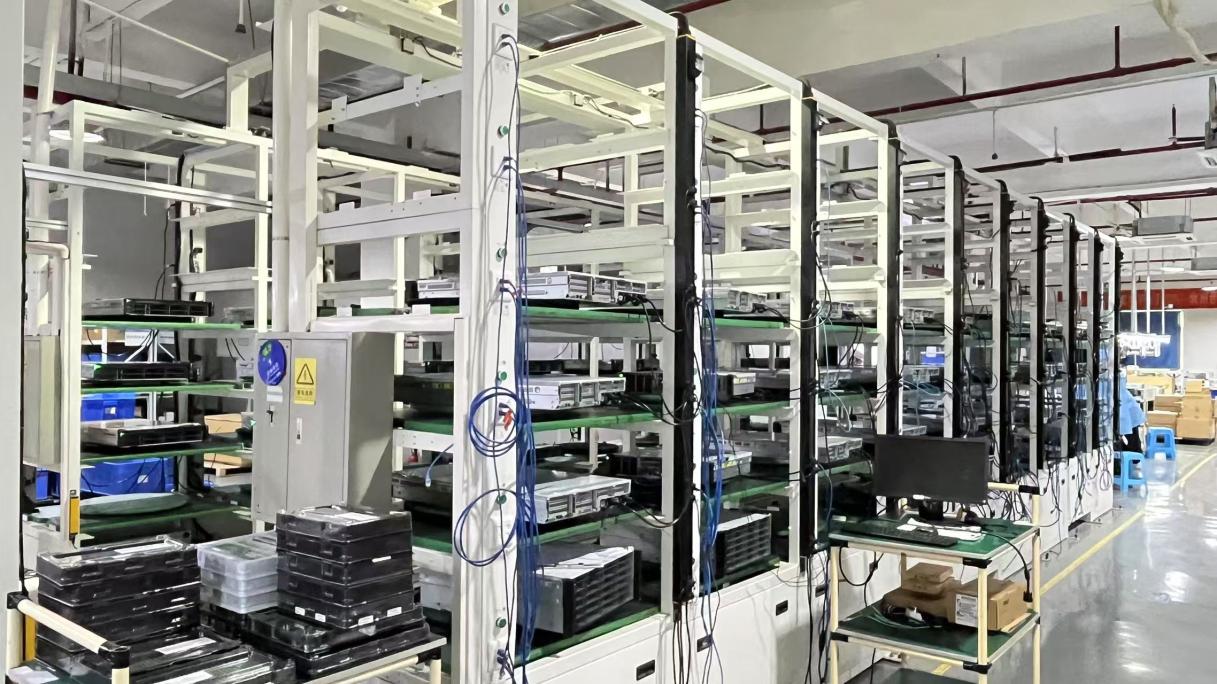
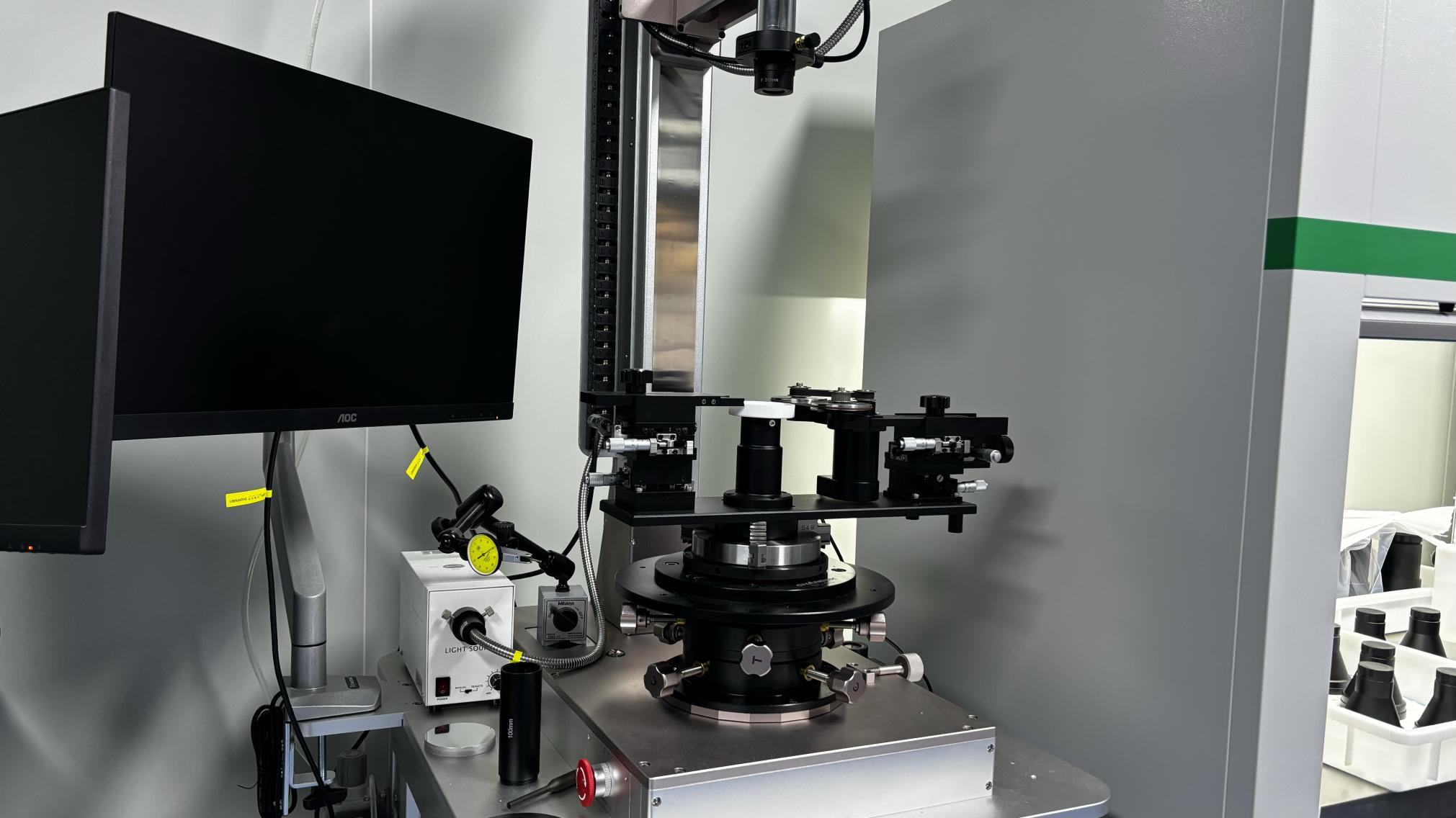
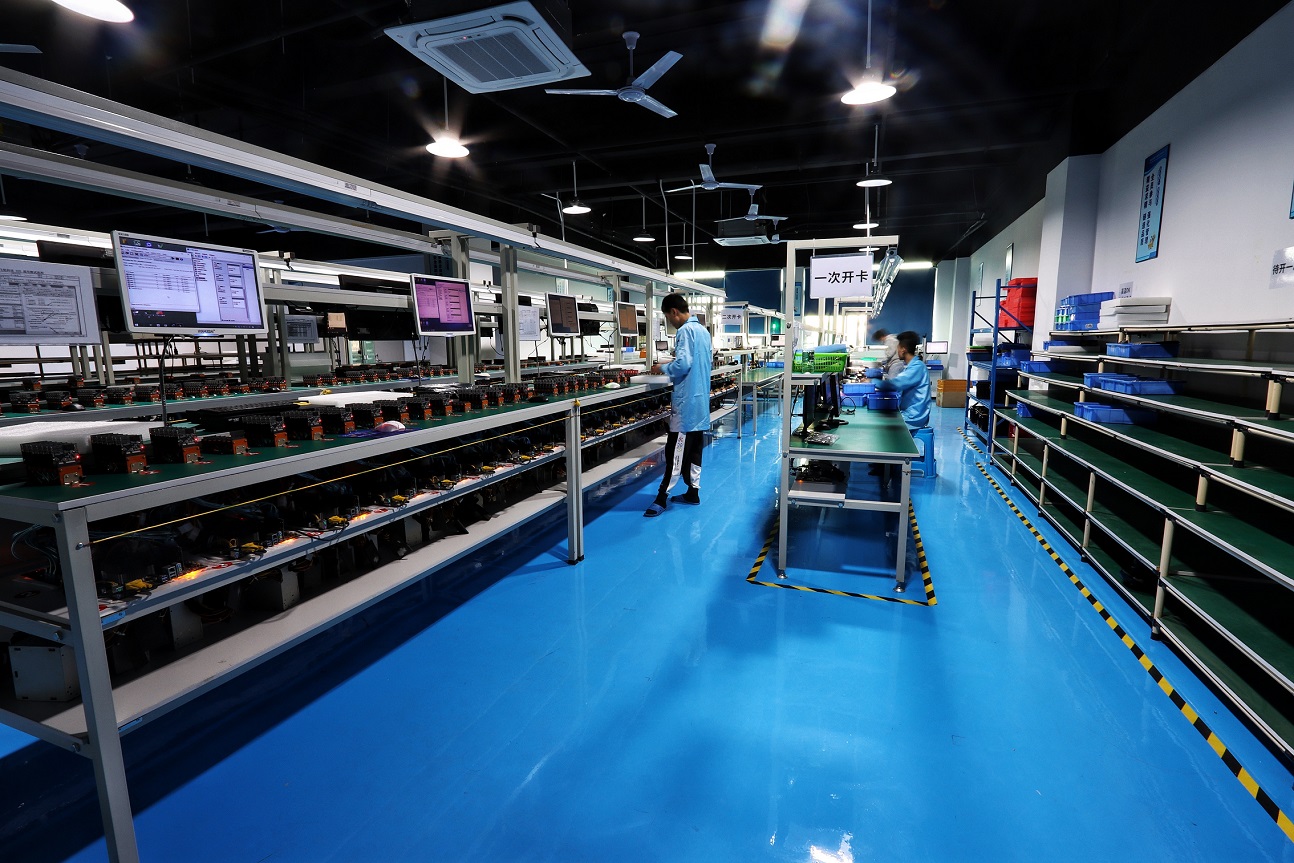
Founded in 2016, LumoWave has developed into a reliable OEM/ODM supplier. Our comprehensive quality assurance system includes incoming material inspection (IQC), in-process quality control (IPQC), and final product testing (FQC). Advanced testing methods such as optical power testing, BER testing, wavelength accuracy testing, temperature cycling, and aging stress tests are strictly implemented to ensure product reliability.
The global SFP market is evolving towards 400G and 800G speeds, driven by the AI boom. Tokyo, acting as a critical node in the trans-Pacific subsea cable network, requires connectors that comply not only with international MSA standards but also with the rigorous quality expectations of Japanese engineering (Monozukuri).
We understand the Japanese regulatory landscape. Our products are designed to meet VCCI Class A/B standards for electromagnetic interference and RoHS/REACH compliance. For our Tokyo partners, we provide specialized documentation in Japanese and local technical support to ensure seamless integration into legacy NTT or KDDI infrastructure.
As we look toward 2025 and beyond, the Tokyo market is shifting from traditional SFP modules to more advanced coherent optical solutions. LumoWave is at the forefront of this transition.
Reducing the power consumption of SFP connectors by 20% to meet Tokyo's "Green Transformation" (GX) goals.
Integrating silicon photonics directly into the SFP form factor to handle the massive data throughput of AI training clusters.
Developing the next generation of cages and connectors capable of supporting 1.6 Terabit speeds for the core of the Tokyo Internet Exchange (JPIX).

Ready to upgrade your Tokyo-based network infrastructure?
Send Inquiry NowOur facility implements clean-room assembly for all optical transceivers. LumoWave's 45 dedicated quality control personnel oversee a rigorous testing protocol that mirrors the strict requirements of Japan's JISC (Japanese Industrial Standards Committee).
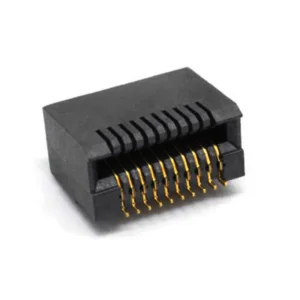
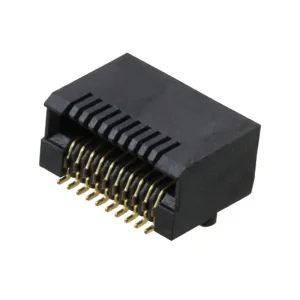
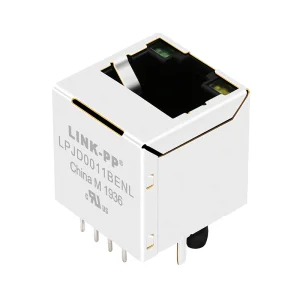
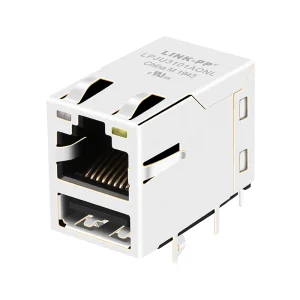
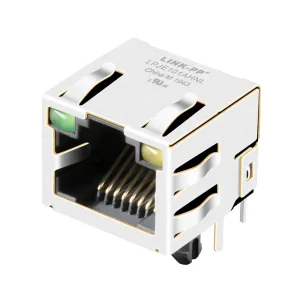
We source only high-grade phosphor bronze and use 30u" gold plating on our SFP connectors. This ensures maximum conductivity and prevents oxidation in the humid coastal climate of Tokyo Bay.
Released approximately 120 new product designs last year, focusing on next-generation high-speed transmission technologies and energy-efficient optical solutions for 200G and 400G networks.
 LumoWave