Discover our industrial-grade optical and copper components engineered for high-performance networks.
Founded in 2016, LumoWave has emerged as a premium optical and copper connector authority. Our numbers speak for themselves.
Supported by 45 dedicated quality control specialists. Implementing IQC, IPQC, and FQC procedures coupled with optical power, temperature cycling, and aging tests.
Complete flexibility in electrical configuration, EEPROM programming, private labeling, wavelength tuning, and shielding modifications to match specific hardware setups.
Servicing mission-critical networks across North America, Europe, Southeast Asia, and the Middle East, with a robust ecosystem of over 1,200 partners.
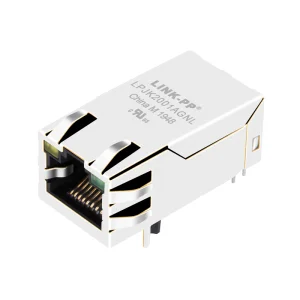
In the era of hyper-scale database operations, high-performance edge computing, and industrial automation, Ethernet infrastructure demands absolute structural integrity and extreme transmission speeds. The RJ45 Cat7 connector represents a crucial evolution in high-bandwidth copper cabling interfaces. Formulated to operate at frequencies up to 600 MHz and supporting transmission rates of 10 Gbps over distances of up to 100 meters, Category 7 infrastructure utilizes advanced shielding mechanisms to completely mitigate external electromagnetic interference (EMI) and Near-End Crosstalk (NEXT).
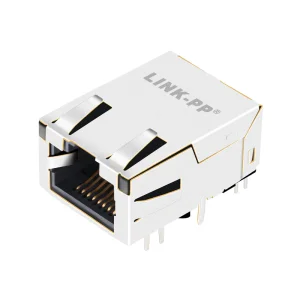
Unlike standard unshielded connectors, our proprietary Cat7 RJ45 connectors feature a solid zinc alloy or nickel-plated copper shell. This structural housing provides continuous 360-degree grounding path continuity, suppressing high-frequency interference. This architectural design makes our products the system of choice for telecommunications setups, data centers, and advanced manufacturing lines globally.
| Parameter | Category 6 | Category 6A | Category 7 (LumoWave) |
|---|---|---|---|
| Max Bandwidth Frequency | 250 MHz | 500 MHz | 600 MHz - 800 MHz |
| Maximum Data Rate | 1 Gbps (10Gbps @ short runs) | 10 Gbps | 10 Gbps (Engineered for spikes) |
| Shielding Type | UTP/FTP Optional | U/UTP, F/UTP | S/FTP (Individually Shielded Pairs) |
| Max Transmission Range | 100 meters (1Gbps) | 100 meters | 100 meters (Strict Low attenuation) |
| NEXT Control | Moderate | High | Ultra-High (Industrial Level) |
The global interconnect industry is experiencing a massive shift toward higher frequencies and density optimizations. The primary drivers behind this trend are:
Industrial buyers face several critical hurdles when selecting a manufacturing partner in China. At LumoWave, we solve these core pain points:
If the connector dimensions deviate by even 0.05mm, it can lead to contact oxidation, loose latching, or intermittent signal drops. LumoWave uses state-of-the-art stamping machines to produce connectors that comply strictly with TIA-568.2-D and IEC 60603-7 standards. This guarantees interoperability with generic hardware.
Many suppliers use low-grade gold flash plating that wears off after fewer than 50 insertion cycles. LumoWave guarantees 50 micro-inches (50μ") of pure gold plating over phosphor bronze pins, ensuring optimal conductivity and preventing corrosion over an operating lifespan of at least 750 insertion cycles.
Without an unbroken connection from the cable shield to the device chassis, the cable acts as an antenna for EMI. Our connectors feature dual-clamp structural ground terminals to maintain reliable shielding from end to end.
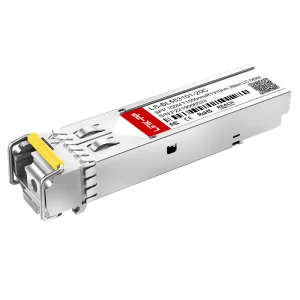
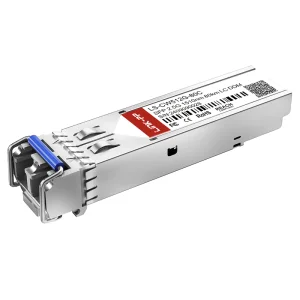
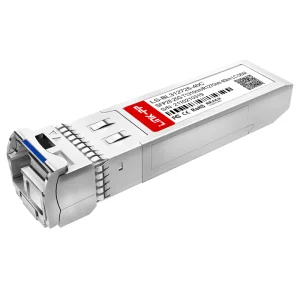
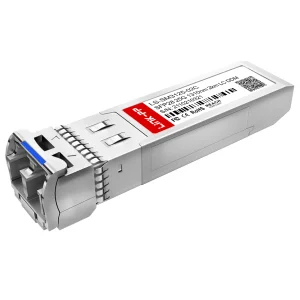
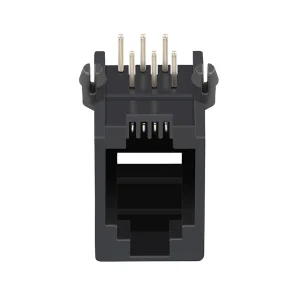
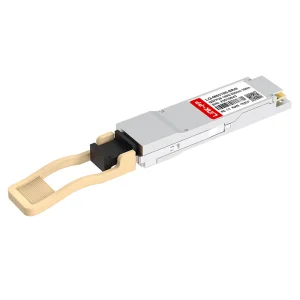
Our RJ45 and optical transceiver products are designed to work together seamlessly within modern data center environments. Modern hybrid networks require high-performance fiber links alongside short-run copper distribution. LumoWave satisfies this dual-requirement by manufacturing both high-speed optical transceivers (ranging from SFP, SFP28, to QSFP28 modules) and RJ45 shielding jacks.
By purchasing both copper infrastructure components and optical transceiver systems from a single certified factory, system integrators can ensure total system compatibility, simplify supply chains, and reduce overall deployment costs.
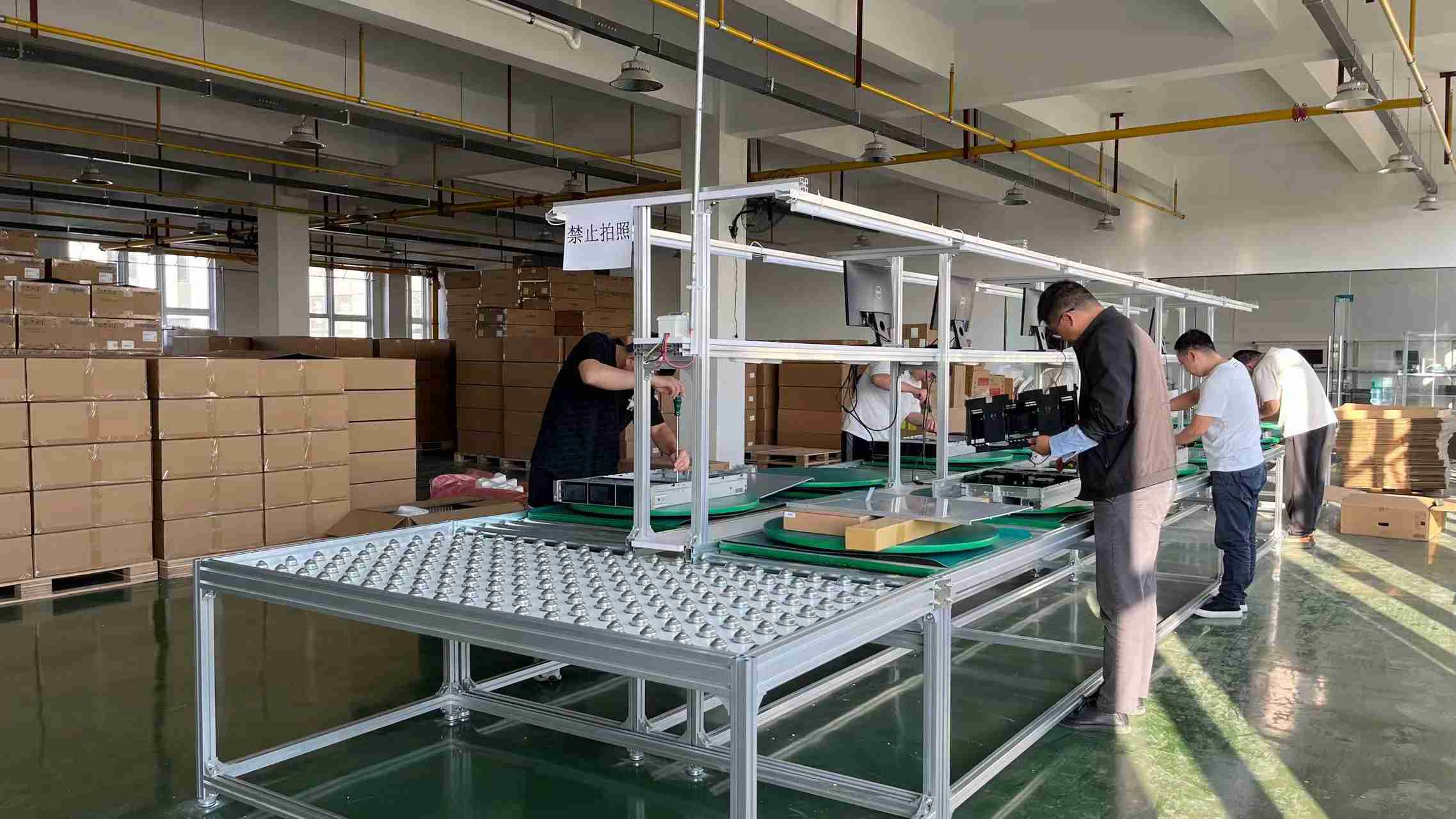
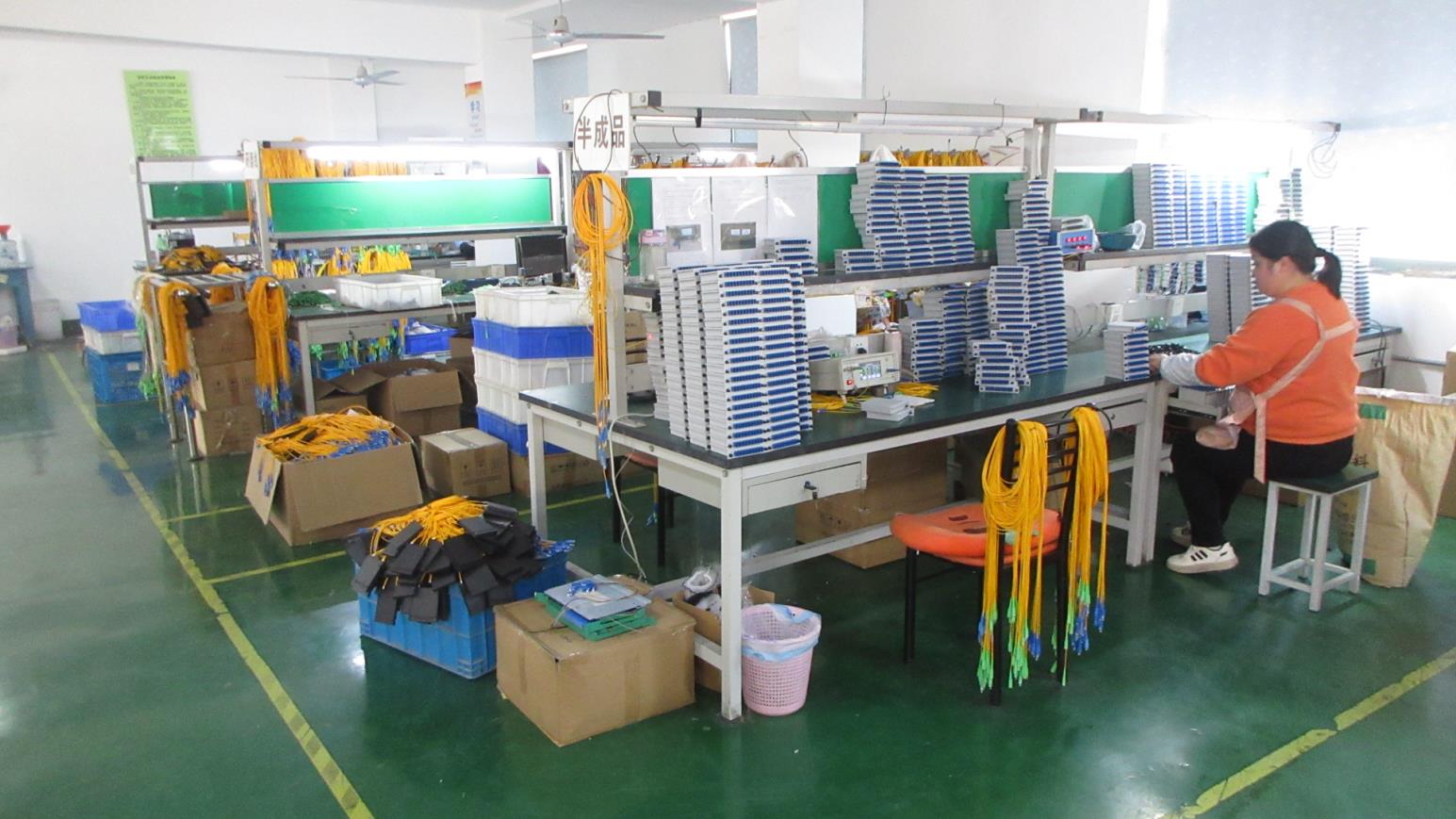
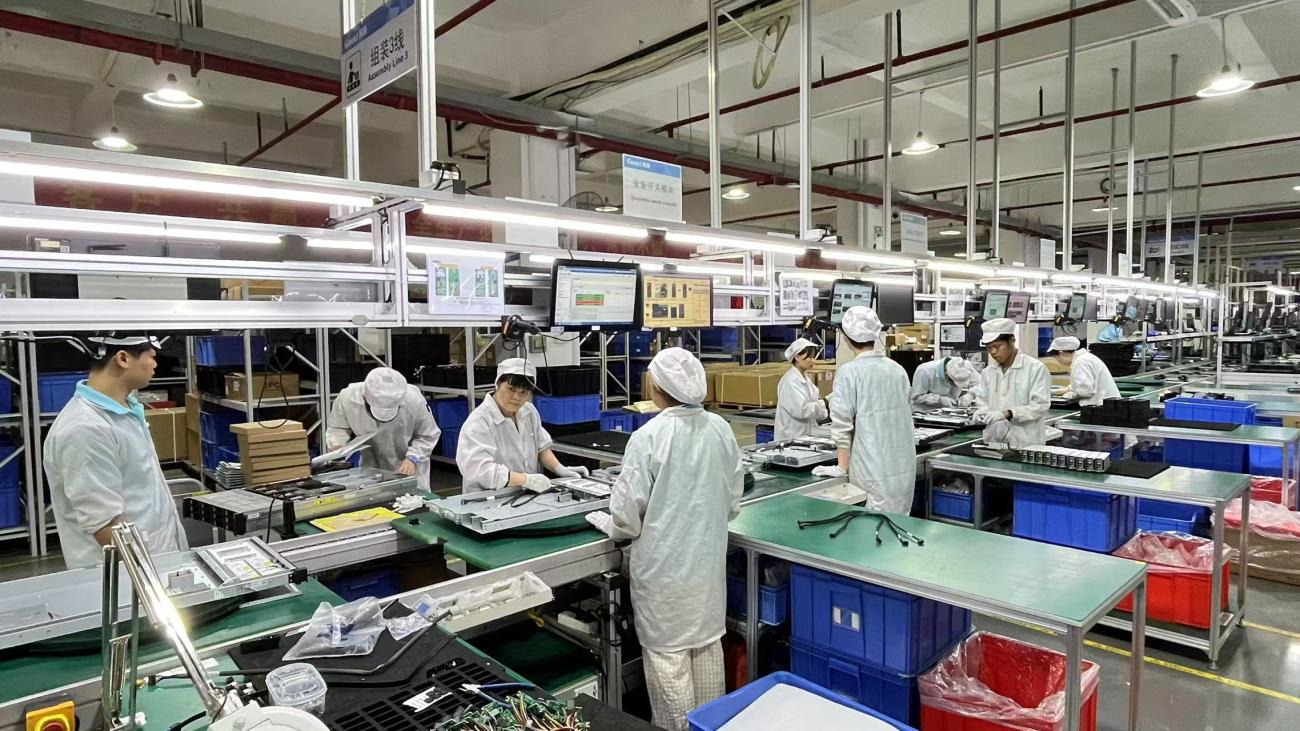
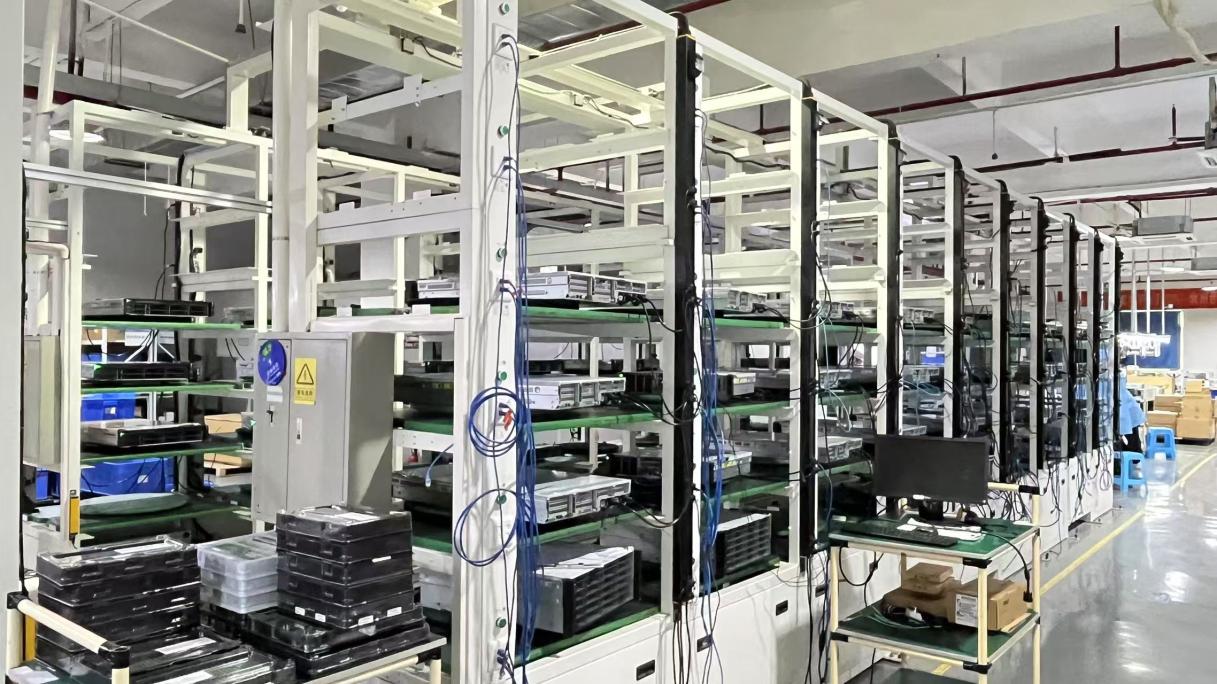
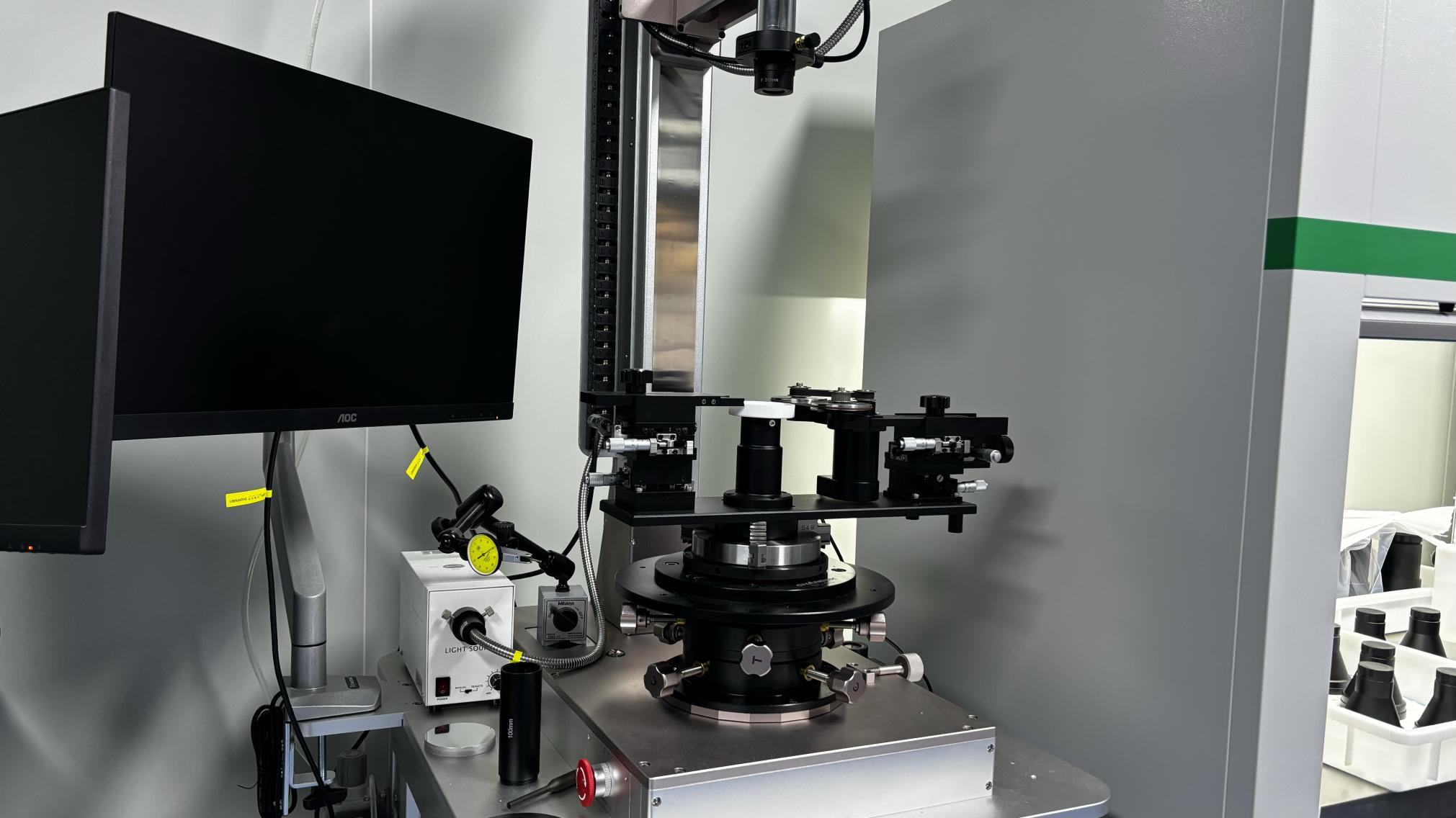
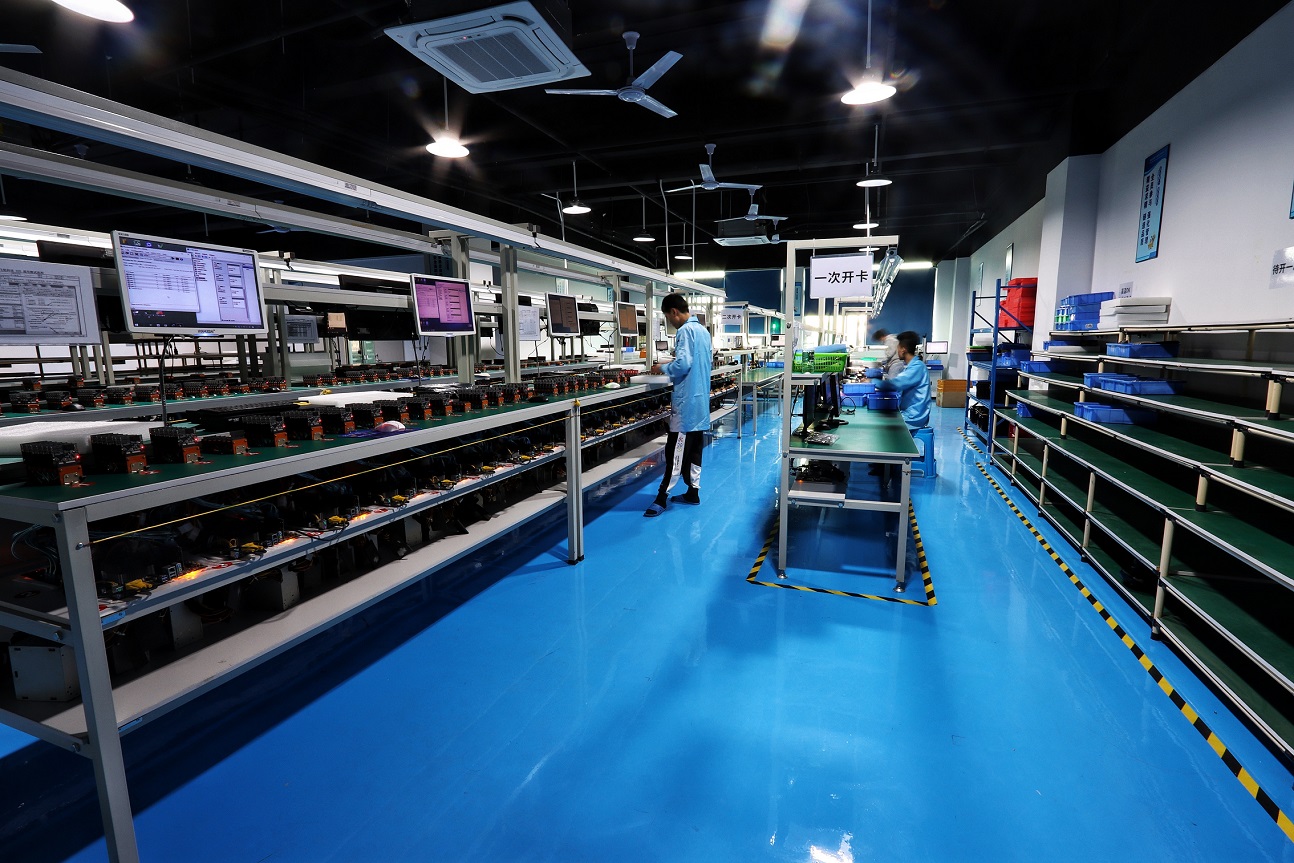
Real-world facilities verify our capacity. Step inside LumoWave's advanced production and testing lines.

How we are innovating the future of data center high-speed copper and optical communication pathways.
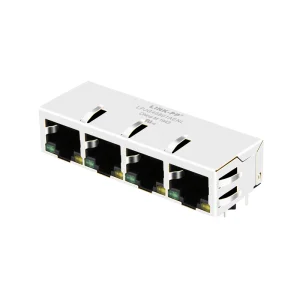
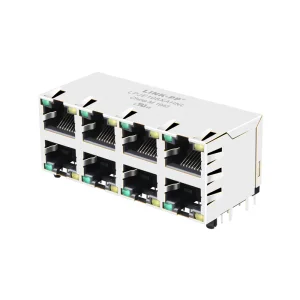
Developing ultra-low profile RJ45 connectors and stacked multi-port modules (like the XRJD stacked series) to support compact switch configurations.
Upgrading internal contact pins to withstand up to 100W of continuous power transmission without signal degradation or thermal damage, matching IEEE 802.3bt Type 4 standards.
Transitioning product designs to accommodate 2000 MHz frequencies for 25G/40G Base-T applications over short runs, meeting TIA Category 8 channel requirements.
High-fidelity RJ connectors, modular jacks, and transceiver accessories for network hardware builders.
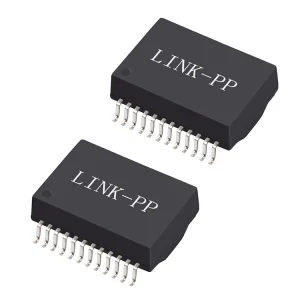
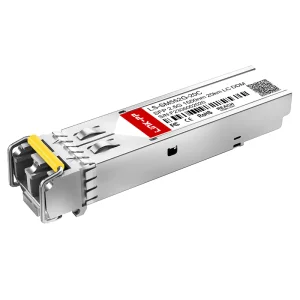
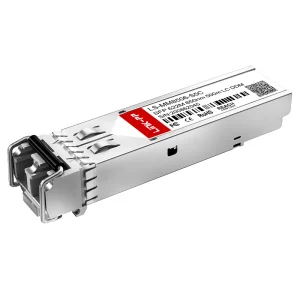
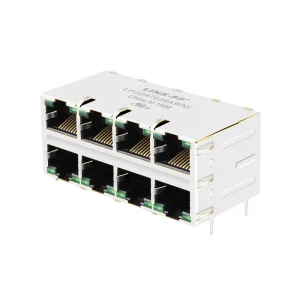
Direct, engineering-backed answers to critical technical questions regarding RJ45 Cat7 connectivity.
Cat7 connectors are designed to run at bandwidths up to 600 MHz and require individual pair shielding (S/FTP) to suppress crosstalk. While Cat6A operates at 500 MHz, Cat7 provides improved crosstalk parameters (NEXT and FEXT). It requires a complete 360-degree grounding envelope via the metal shield to function properly.
Yes, our RJ45 Cat7 connectors are fully backward compatible with Cat6A, Cat6, Cat5e, and Cat5 interfaces. They mate perfectly with standard RJ45 female ports on conventional switches, routers, and network interface cards.
We utilize X-ray fluorescence (XRF) thickness testers during the plating process. This ensures that every batch has a minimum thickness of 50 micro-inches (50μ") of pure gold over the contacts. This thickness prevents oxidation and wear, maintaining low contact resistance even after hundreds of insertions.
Yes, we provide full OEM and ODM services. For optical transceivers, we write compatibility codes to match various host device platforms (e.g., Cisco, Juniper, Arista). For copper connectors, we customize shell shapes, shield thicknesses, laser-etched logos, and packaging options based on customer specifications.
Our 45 QC engineers carry out three layers of inspection: incoming materials (IQC), during manufacturing (IPQC), and final validation (FQC). Physical products undergo thermal shock testing, insertion fatigue tests, and Fluke network analyzer verification. Optical modules are tested for BER (Bit Error Rate), optical eye diagram quality, and thermal tolerance.
 LumoWave