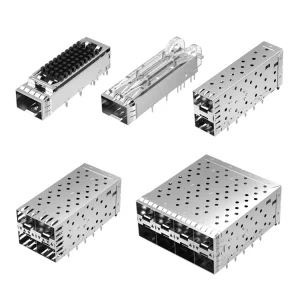
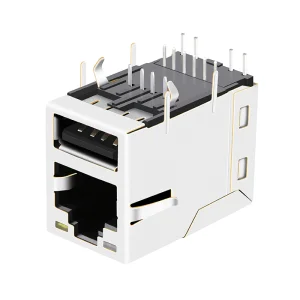
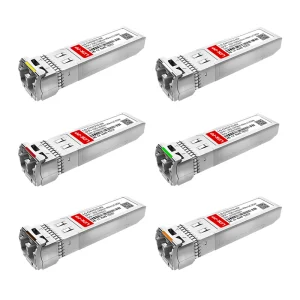
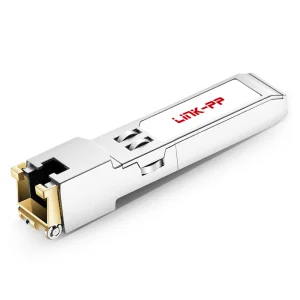
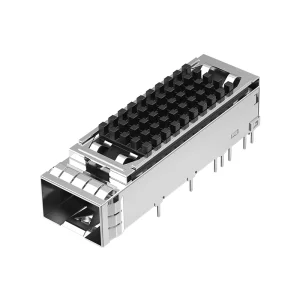
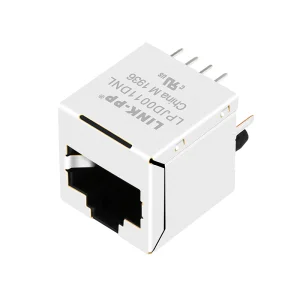
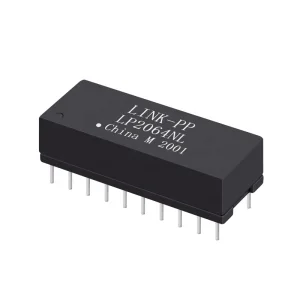
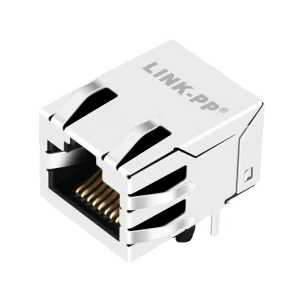
Explore our high-performance ethernet connectors, low profile jacks, SFP transceivers, and integrated optical modules engineered for mission-critical network reliability.
An in-depth analysis of signal integrity, mechanical reliability, and OEM manufacturing excellence for enterprise networking.
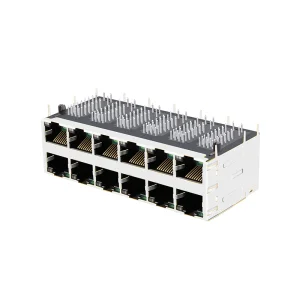
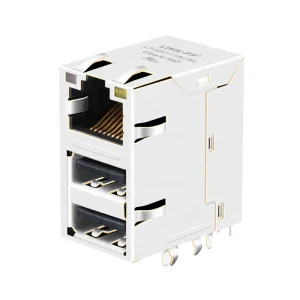
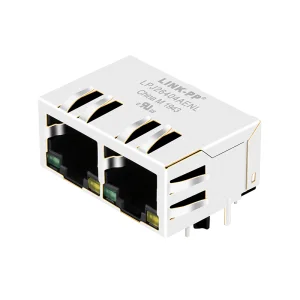
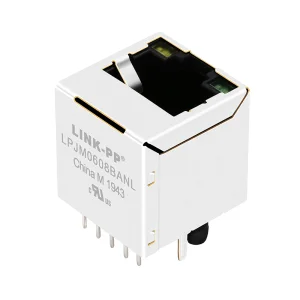
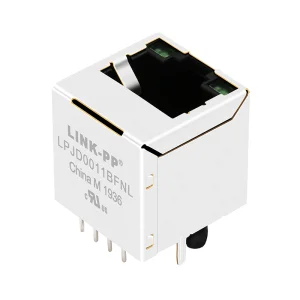
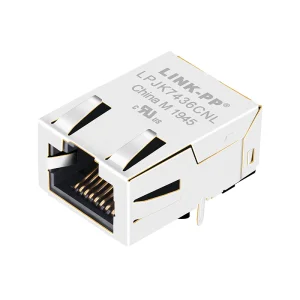
In modern data centers and telecommunications networks, physical space has become one of the most premium assets. As rack layouts expand to accommodate multi-gigabit Ethernet nodes and high-throughput enterprise appliances, the density of connectivity ports must increase proportionally. High-density RJ45 connectors represent the pinnacle of copper physical layer systems, integrating advanced magnetic shielding, internal crossover filtering (Integrated Connector Modules or ICMs), and compact mechanical configurations such as stacked 2xN ports, vertical top entry profiles, and low-profile form factors.
Operating at high bandwidths—from 2.5G Base-T up to 10G Base-T—requires meticulous attention to electrical shielding. Without robust structural engineering, closely packed ports will suffer from severe electromagnetic interference (EMI) and near-end crosstalk (NEXT). Our design methodologies mitigate these issues by utilizing precision-stamped phosphor bronze contacts with heavy gold plating (up to 50 micro-inches) and fully closed copper alloy shells that establish a direct path to the chassis ground.
As a premier OEM manufacturer, LumoWave Optical Technology Co., Ltd. (branded as LumoWave) bridges the gap between raw component manufacturing and customized physical layer engineering. Although specialized in high-speed optical transceivers from 10G to 800G (including SFP, QSFP, and coherent transmission modules), our extensive manufacturing ecosystems and mechanical engineering capabilities extend to advanced copper RJ45 interfaces, integrated magnetic jacks, and hybrid transceivers.
IQC (Incoming Quality Control): Detailed spectrometer verification of raw contact plating and thermal endurance of polymer housings.
IPQC (In-Process Quality Control): Automated optical inspection (AOI) of solder-tail alignments and co-planarity metrics.
FQC (Final Quality Control): Full mechanical mating stress tests (minimum 750 cycles) alongside high-frequency vector network analyzer profiling.
Leveraging vertical supply chain integration, massive economies of scale, and specialized design-for-manufacturability (DFM) capabilities.
Operating in world-class industrial zones allows our factories to work with over 1,200 upstream and downstream partners. This direct access to specialized plating, precision plastic injection molding, and localized magnetic core manufacturers cuts raw component transit time and drastically lowers custom development costs.
Equipped with a dedicated R&D team of 85 engineers, our engineering department released approximately 120 new custom designs last year. We convert complex engineering requirements into physical high-density connector prototypes within weeks, ensuring compatibility with evolving global network standards.
LumoWave's expansive production facility of 320,000㎡ operates under strict quality frameworks. We employ 45 specialized quality inspectors utilizing sophisticated optical power testing, BER testing, wavelength accuracy sweeps, and environmental thermal chambers to guarantee 100% field deployment reliability.
Analyzing the transition to multi-gigabit copper, advanced PoE deployment, and integrated physical layer solutions.
Our custom high-density RJ45 connectors and optical transceivers are deployed in robust networking scenarios worldwide:
1. Cloud Data Center & High-Performance Computing (HPC): Top-of-rack switches require dense, reliable copper control ports and optical transceivers (from 10G SFP+ to QSFP-DD) capable of continuous high-speed data transmission under high ambient temperatures.
2. Telecom Central Offices & Edge Computing Nodes: Compact multi-port RJ45 configurations enable base stations and telecom routers to save space while handling critical 2.5G/5G mobile backhaul interfaces.
3. Industrial Automation & Smart Manufacturing: High-vibration environments demand locking RJ45 connectors with built-in EMI shielding and advanced magnetics to filter out noise generated by heavy industrial machinery.
4. Security & IoT Infrastructure: Sockets equipped with PoE/PoE+ capabilities feed power and transmit video simultaneously in high-definition IP camera matrices and smart city sensor grids.
Key technical considerations when sourcing high-density RJ45 connectors and transceiver components from OEM factories.
Always verify the manufacturer's isolation voltage rating (typically 1500V AC rms) and contact resistance limits (max 30mΩ). Ask for testing data on return loss and insertion loss over frequencies up to 500 MHz for 10G applications.
Insist on high-cycle connectors featuring phosphor bronze terminals with selective gold plating (minimum 30u" to 50u"). This guarantees connection stability in environments subject to humidity, dust, and temperature shifts.
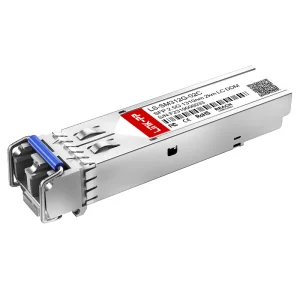
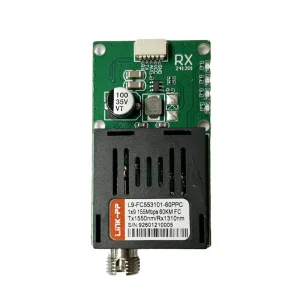
When purchasing optical modules (SFP, SFP+, QSFP28), ensure the OEM factory provides digital diagnostic monitoring (DDM) coding and EEPROM tuning. This ensures 100% plug-and-play compatibility with switch brands like Cisco, Arista, and Juniper.
Critical answers about mechanical configurations, thermal management, shielding, and OEM design parameters.
Expand your network capability with high-precision SFP cages, hybrid modules, and standard telephone adapters.
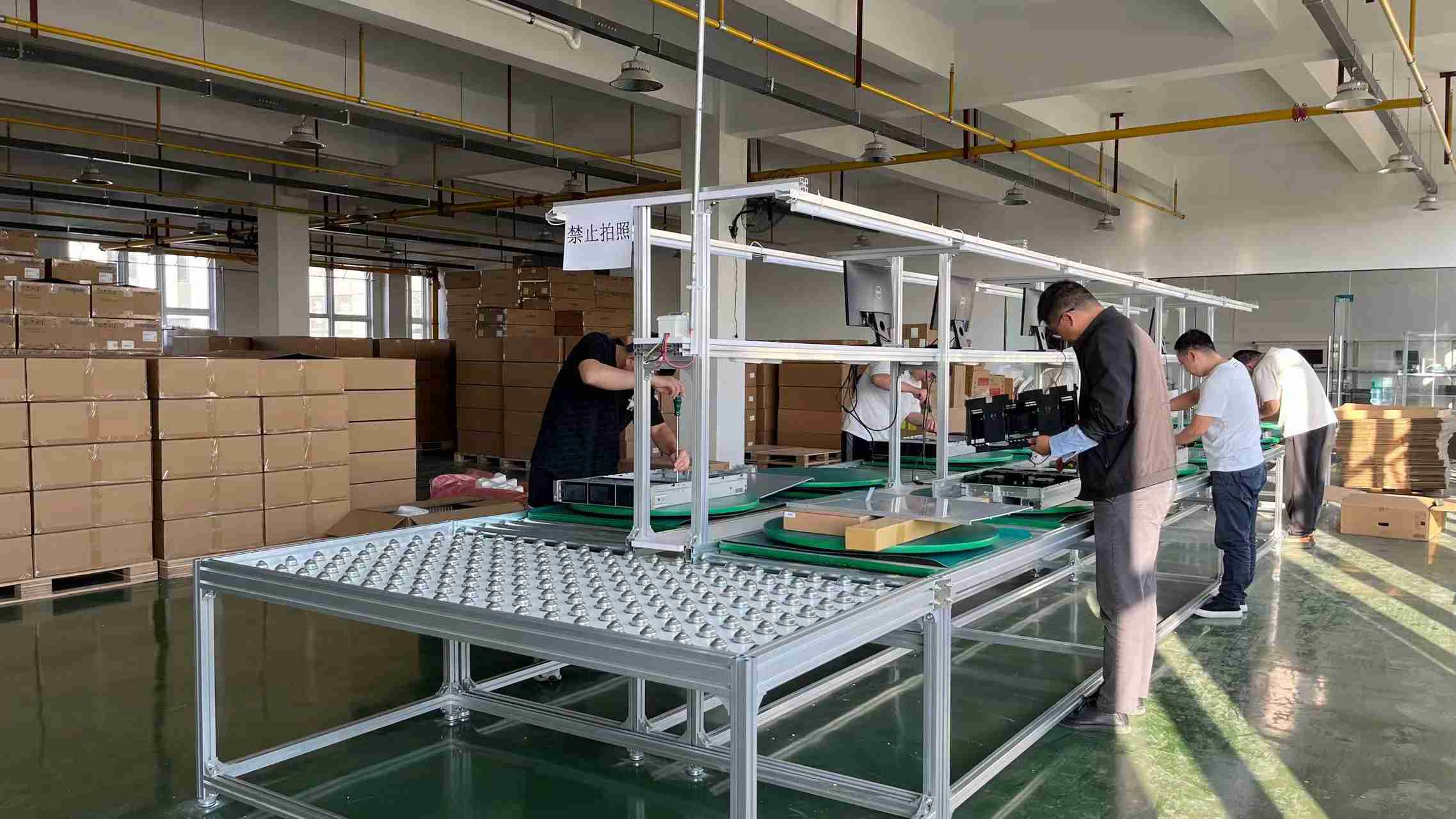
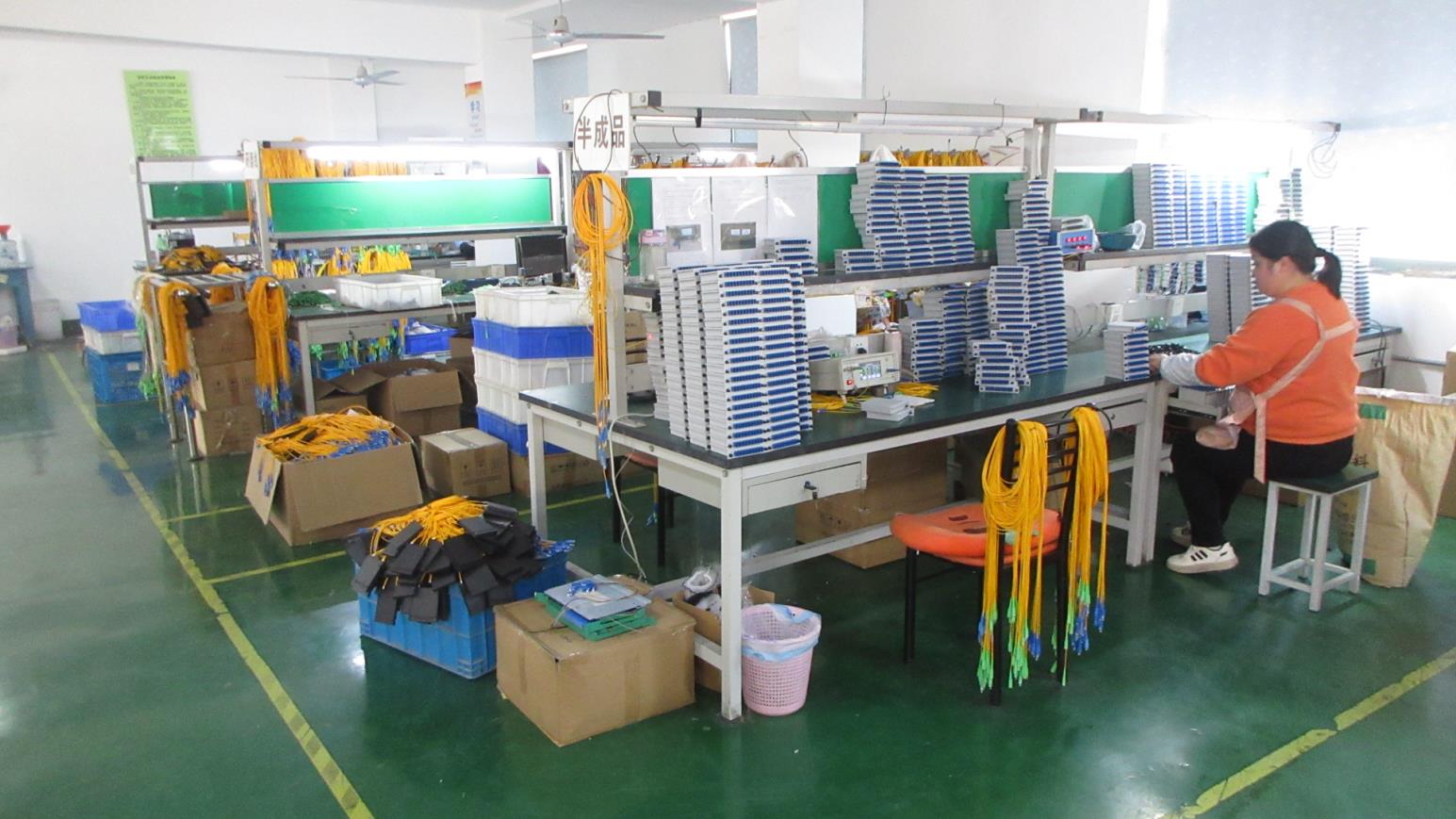
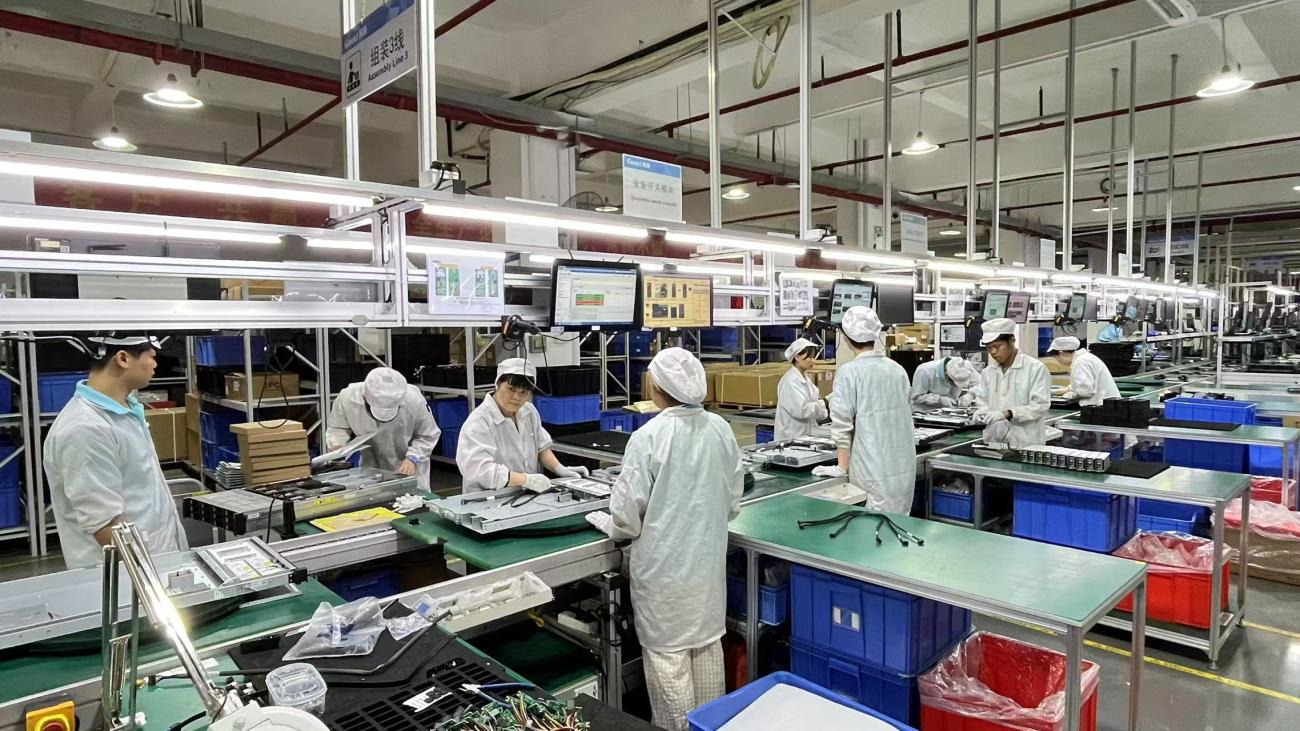
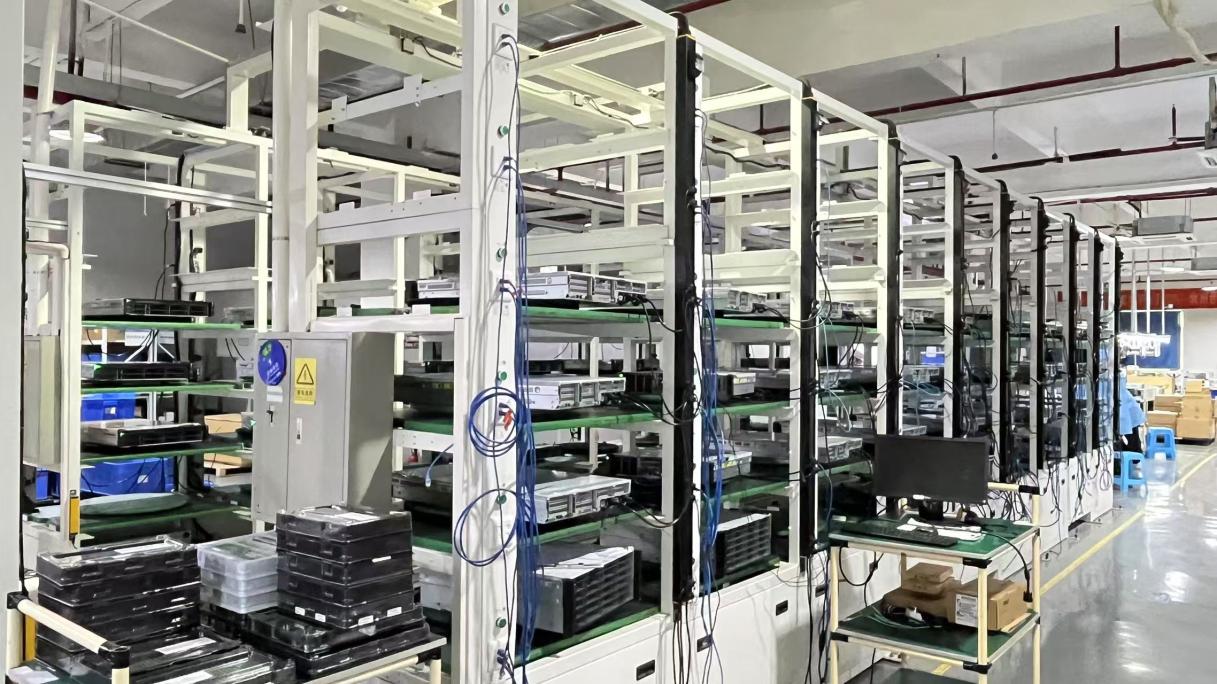
Take a virtual tour through our ISO-certified production lines, optical cleanrooms, and testing facilities.


 LumoWave