Discover high-precision transceivers, cages, and vertical connectors engineered for enterprise-grade ethernet adapter assemblies.
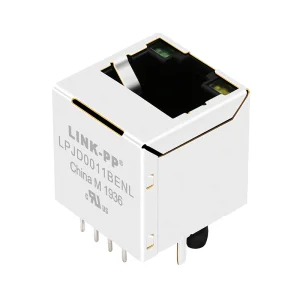
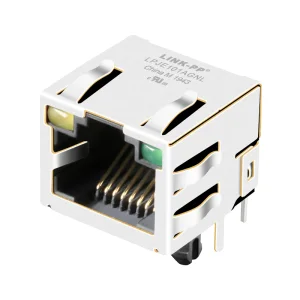
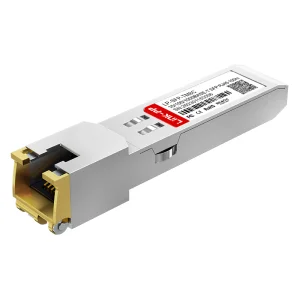
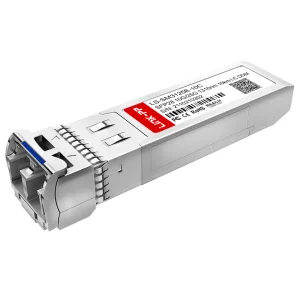
LumoWave Optical Technology Co., Ltd. builds next-generation physical-layer hardware components empowering cloud systems and high-throughput ethernet interfaces.
LumoWave Optical Technology Co., Ltd. is a leading manufacturer specializing in optical communication infrastructure and interface hardware. Founded in 2016 and backed by over 12 years of industry expertise, LumoWave provides OEM/ODM manufacturing of optical transceivers, network adapter connectors, and physical layer networking hardware. LumoWave's portfolio ranges from legacy 10G speeds up to next-generation 800G coherent configurations, including SFP, QSFP, and QSFP-DD form factors.
With a robust supply chain featuring over 1,200 upstream and downstream partners, we support scalable manufacturing to meet the requirements of cloud service providers, enterprise networks, and system builders. Our quality assurance framework covers incoming inspection (IQC), in-process control (IPQC), and final validation (FQC), ensuring high-reliability and low failure rates across all product lines.
Analyzing key transitions in copper and optical connectivity, high-frequency signal integrity, and the future of enterprise SmartNIC architectures.
Modern enterprise systems require higher throughput and lower latencies, driving the development of high-performance Ethernet Adapters. As data centers migrate from PCIe Gen 4 to PCIe Gen 5 and Gen 6, network interfaces must match these wider pipelines. The physical interface transition from standard RJ45 copper ports to optical SFP+, SFP28, QSFP28, and QSFP-DD connections is essential for managing the thermal and signal attenuation challenges of higher-frequency channels.
For OEM/ODM clients, designing network interface cards (NICs) involves optimizing signal integrity at the PCB edge. The choice between direct attach copper (DAC), active optical cables (AOC), or discrete optical modules impacts the overall power budget and thermal design of server architectures. LumoWave's products, including EMI-shielded cage connectors and multi-rate transceivers, are engineered to minimize electromagnetic interference (EMI) and insertion loss at high baud rates.
Looking ahead, the development of Co-Packaged Optics (CPO) and silicon photonics will change how Ethernet adapters interface with host CPUs and switch ASICs. By mounting optical engines directly onto the processor substrate, host systems can bypass traditional card-edge constraints. Our R&D team works closely with silicon developers to ensure our cages, ports, and transceiver modules remain compatible with upcoming low-latency, high-density hardware designs.
NRZ modulation, vertical-cavity surface-emitting lasers (VCSEL), standard copper patch leads.
25G optical lanes, single-mode and multi-mode systems, optimized thermal cages for high-density switches.
Pulse Amplitude Modulation (PAM4), integrated DSPs, silicon photonics engines, and automated thermal shielding.
How physical layer technologies scale across different enterprise, hyperscale, and telecommunications deployments.
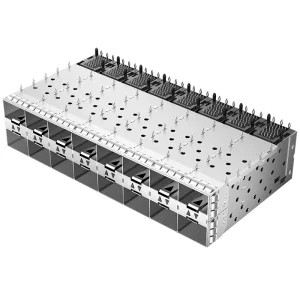
Modern hyper-scale facilities require high port density and efficient thermal management. SFP+ cages and multi-rate optical modules play a critical role in top-of-rack (ToR) and spine-leaf architectures. Using low-profile, press-fit SFP cages allows for clean board layouts and reliable airflow, helping systems operate within target temperature margins.
Edge computing nodes require industrial-grade, temperature-hardened components. Outdoor base stations and street-level cabinets experience temperature variations and dust exposure. LumoWave's industrial-grade transceivers and shielded RJ45 modules are designed to maintain link stability under harsh environmental conditions.
Corporate network backbones require reliable cross-brand compatibility. Enterprises use hardware from multiple vendors, requiring network adapters and modules with flexible, programmable firmware. LumoWave's customization services include custom EEPROM coding, helping to ensure compatibility across diverse switch and network card ecosystems.
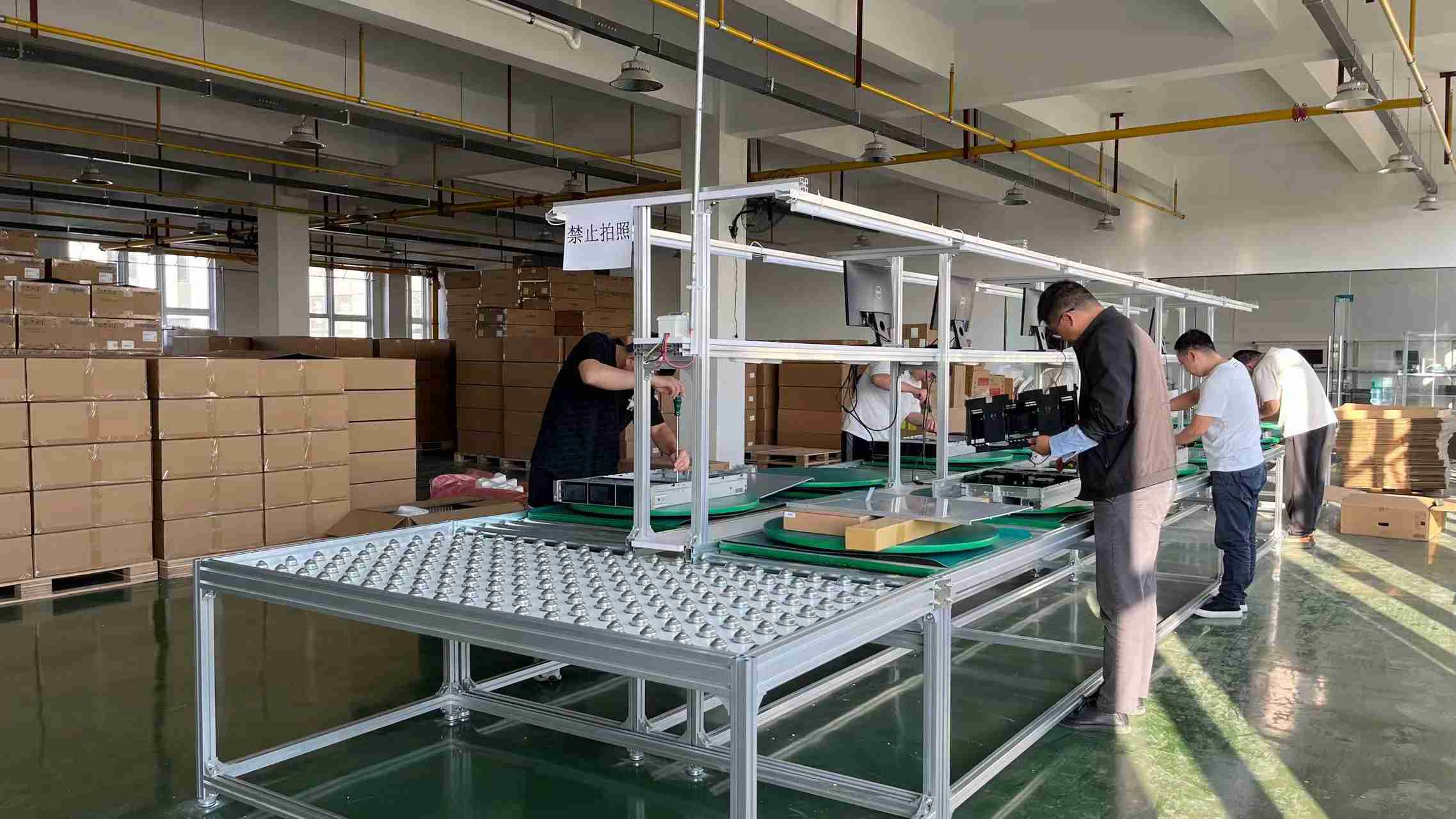
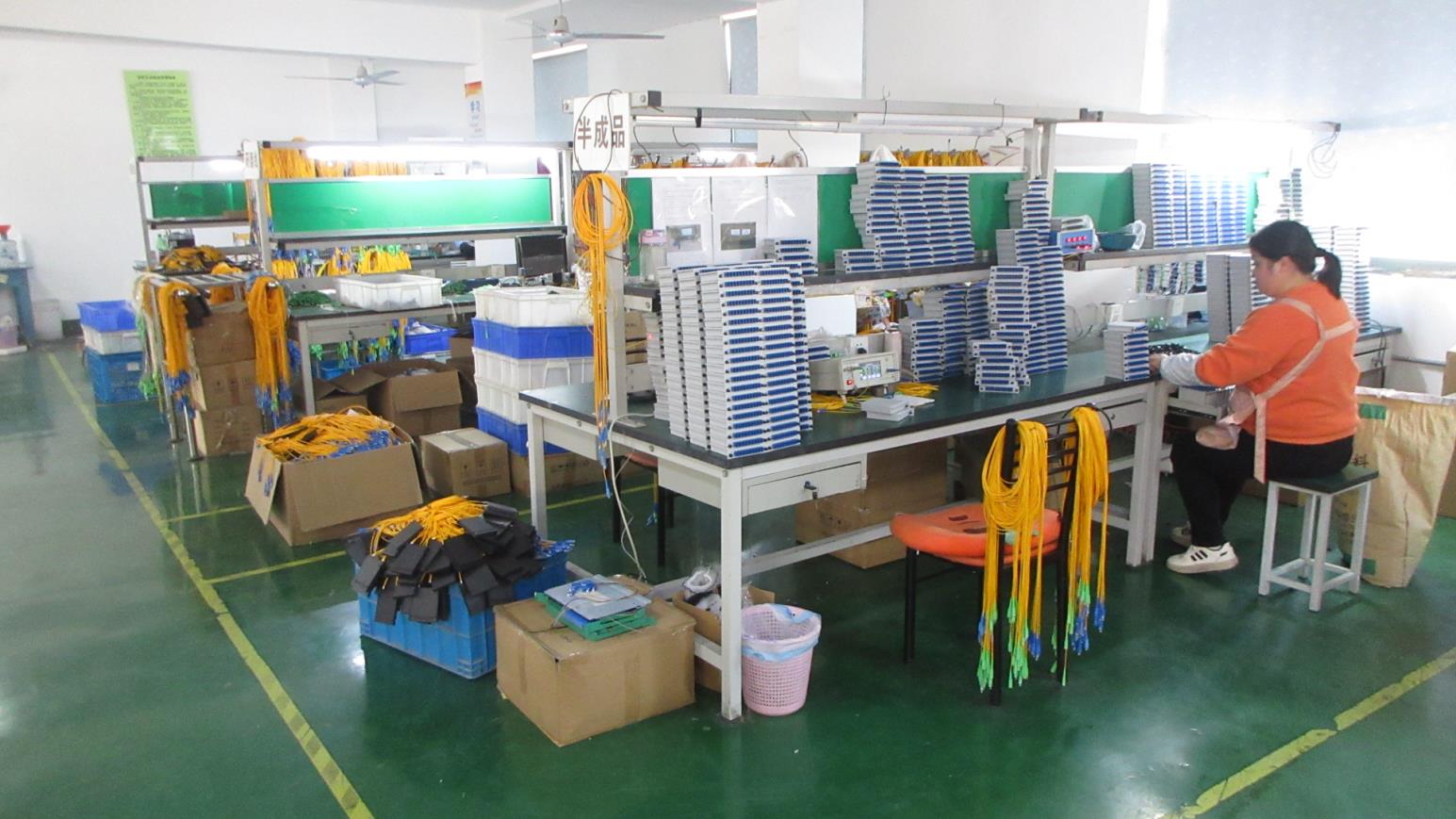
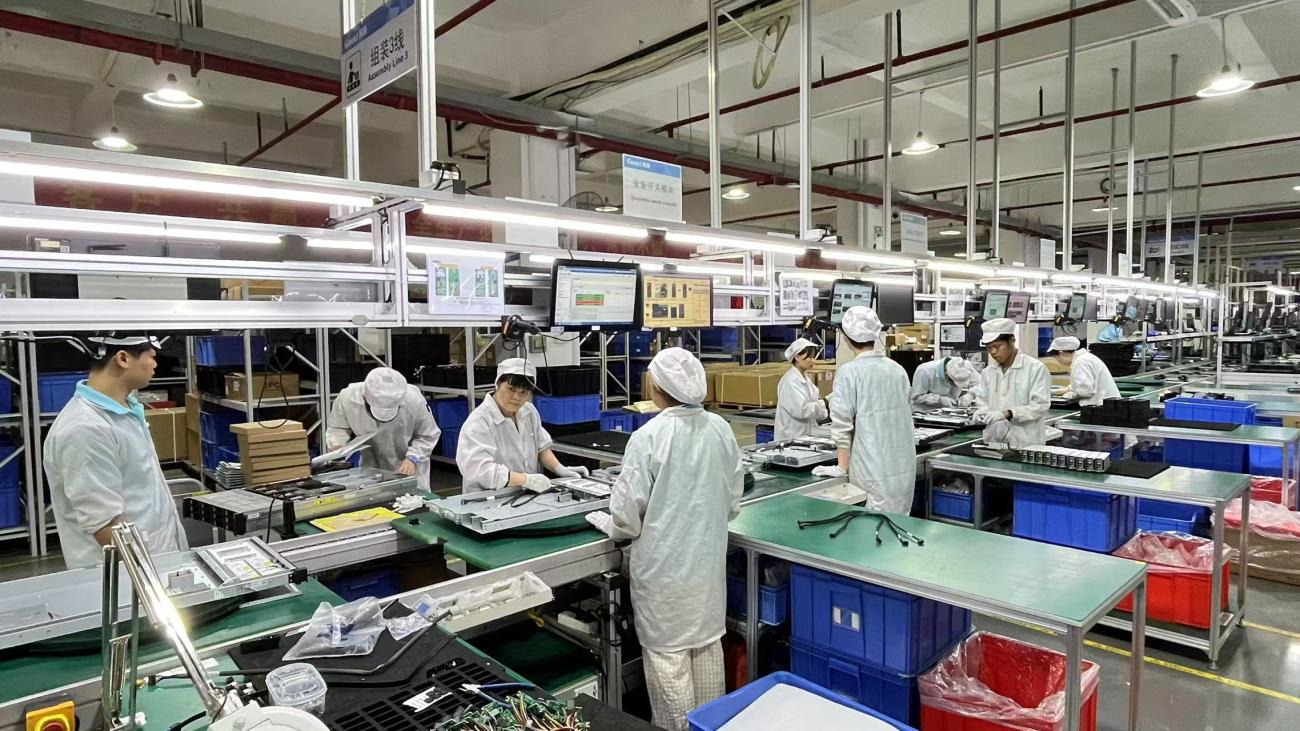
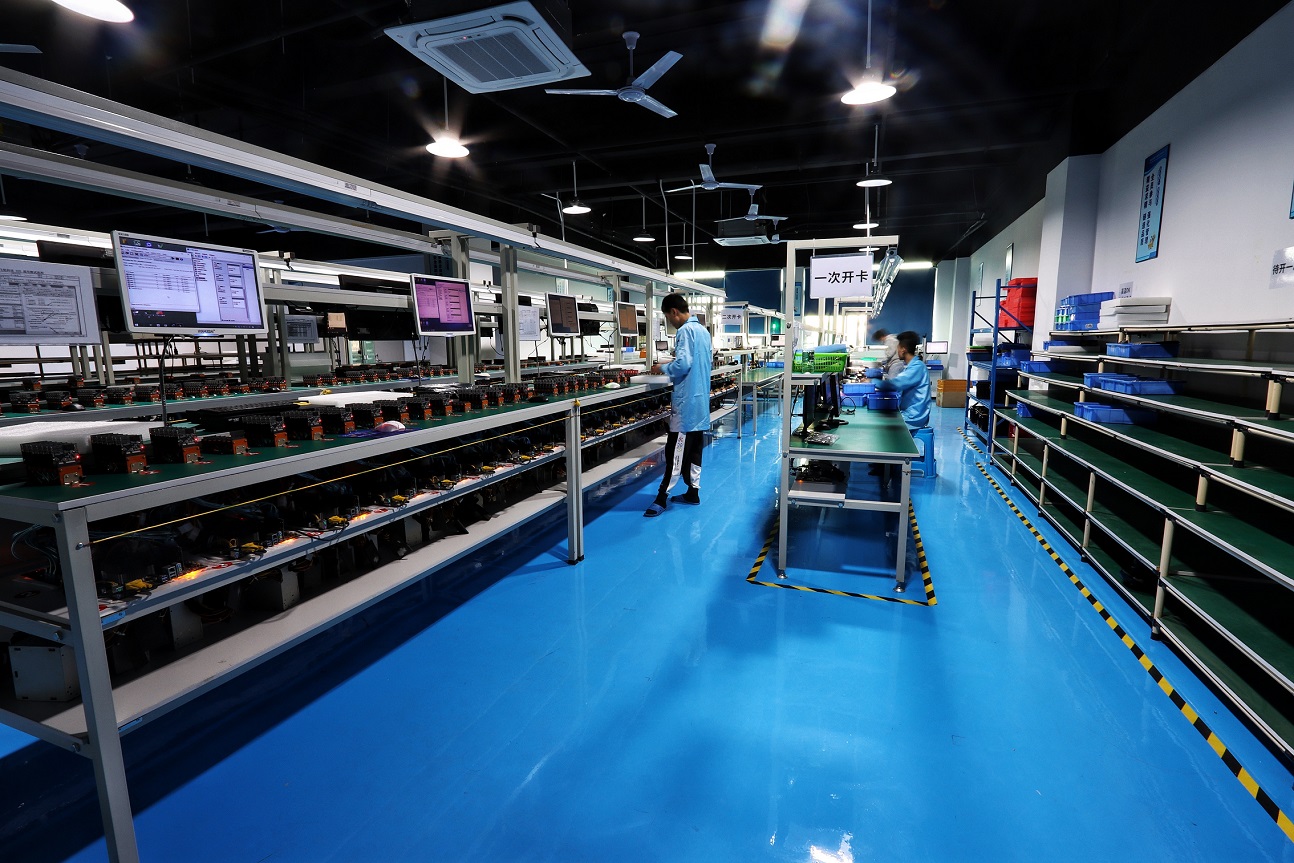
Inside our 320,000㎡ production facility, combining automated assembly lines with advanced quality assurance systems.
Verifying incoming raw materials, including optical components and copper pin connectors, to ensure compliance with international specifications.
Automated optical alignment and real-time monitoring of solder reflow profiles to prevent assembly defects.
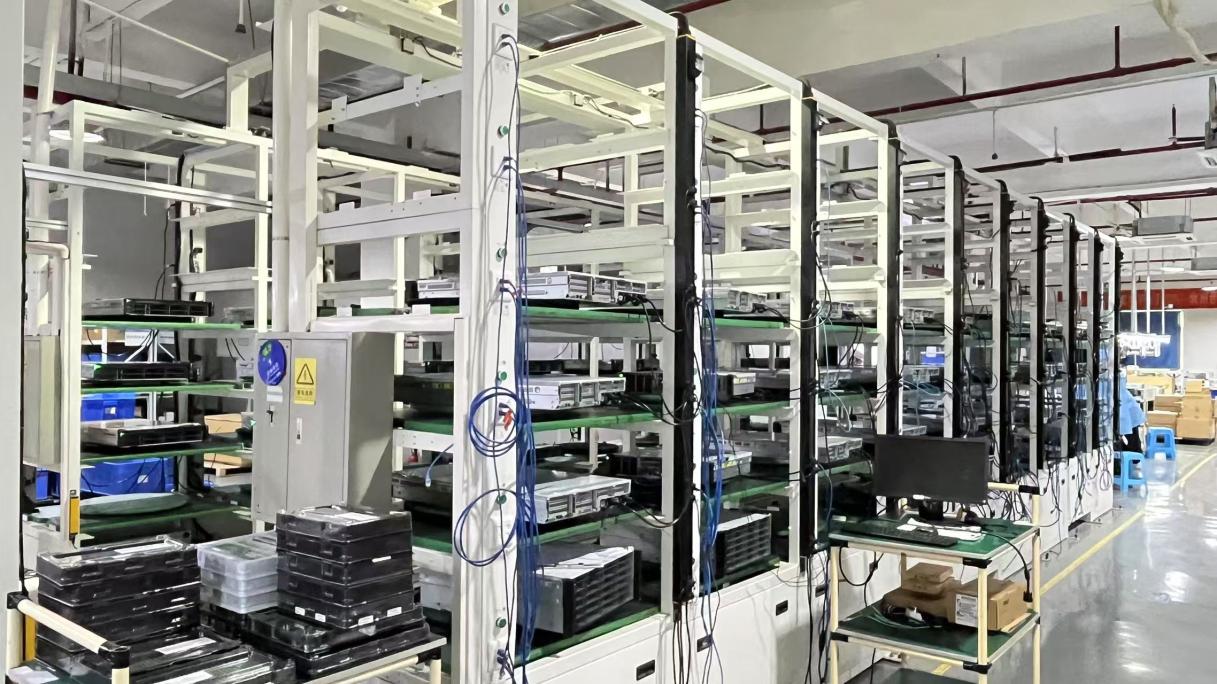
Comprehensive testing of optical power, eye diagram metrics, and bit error rates (BER) prior to packaging.
LumoWave's manufacturing base is located in a 320,000㎡ industrial park, designed for high-efficiency optical assembly. By integrating automation into our production processes, we maintain consistent manufacturing tolerances across large production volumes. Our automated wire bonders, active optical alignment stations, and high-volume reflow ovens provide stable production, from raw substrates to finished optical transceivers and SFP cage connectors.
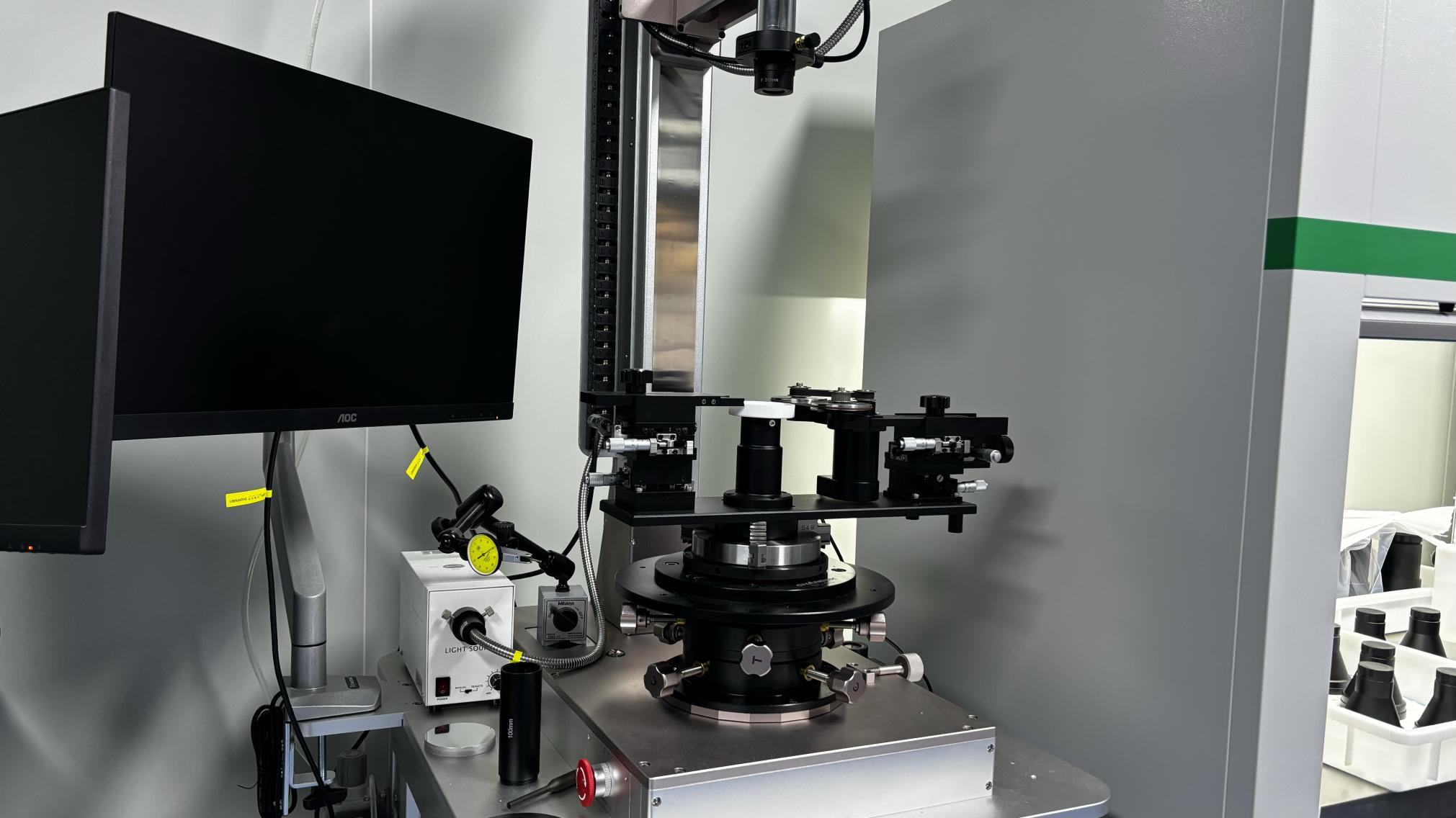
Manufacturing high-speed transceivers requires stable environmental control. Our facility features ISO Class 7 and Class 8 cleanrooms to prevent dust and airborne particulates from contaminating optical interfaces during assembly. Our testing lines utilize advanced oscilloscopes, bit error rate testers (BERTs), and optical spectrum analyzers to verify the performance profile of each transceiver before shipment.
With over 8 years of export experience and a network of 1,200 upstream and downstream suppliers, LumoWave maintains a reliable supply chain. This network helps us source raw materials and critical components efficiently, enabling competitive lead times even during periods of high demand. For OEM and ODM clients, this logistics framework provides consistent product availability and delivery schedules.
Providing tailored firmware coding and international regulatory compliance for global markets.
We configure transceiver EEPROM data with custom vendor codes, serial numbers, and device descriptions to ensure compatibility with major OEM switches, routers, and host network cards.
We offer custom optical tuning options for long-haul single-mode applications and high-speed multi-mode deployments, adjusting parameters to meet specific transmission distance requirements.
Our components are manufactured in compliance with RoHS directives, carry CE and FCC certifications, and meet safety standards for optical transceivers and communication interfaces.
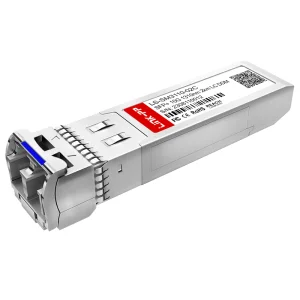
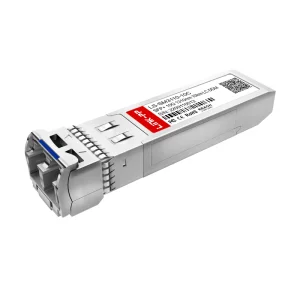
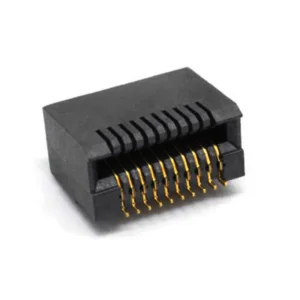
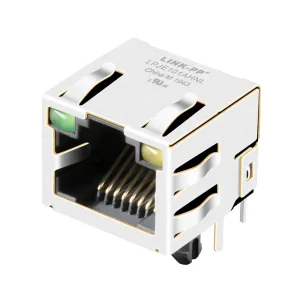
Broadening network design flexibilities with industrial SFP transceivers, RJ45 jacks, and fiber channel modules.
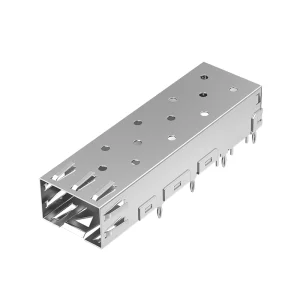
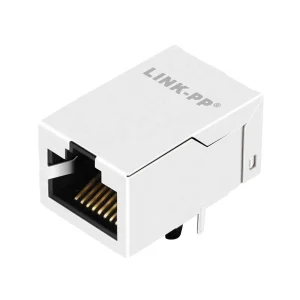
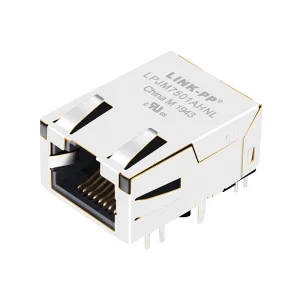
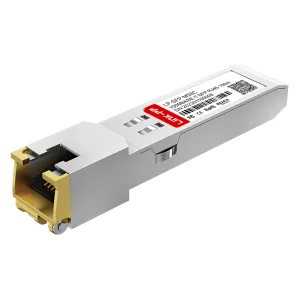
Addressing the design, commercial, and technical challenges faced by global sourcing teams when selecting network adapters and interface hardware.
When sourcing optical transceivers and modular connectors, procurement teams balance cost, compatibility, and lead times. Hardware incompatibility can cause delays in deployment, making vendor flexibility and strict testing standards critical when selecting an OEM/ODM supplier.
LumoWave supports these requirements by providing compliance documentation, test reports, and engineering support for our hardware interfaces. This helps clients streamline product validation and maintain project timelines.
Expert insights on structural, electrical, and optical design for network infrastructure engineers.
As signal speeds reach 10Gbps and 25Gbps, high-frequency electromagnetic interference can degrade performance and cause packet loss. Ganged SFP+ cages (like 2x8 port layouts) require integrated elastomeric gaskets or metal spring fingers to maintain electrical contact with the chassis. Press-fit pins are used to secure the cage to the PCB, minimizing gaps where high-frequency energy could escape and cause signal integrity issues.
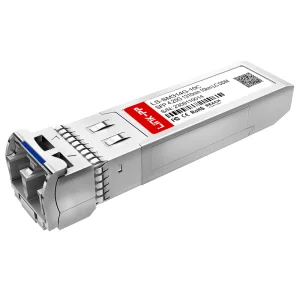
10GBASE-LR transceivers operate on single-mode fiber (SMF) at a wavelength of 1310nm, supporting link lengths up to 10 kilometers. 10GBASE-LRM (Long Reach Multimode) modules are designed to transmit over legacy FDDI-grade multimode fiber (MMF) using electronic dispersion compensation (EDC) to manage modal dispersion, supporting distances up to 220 meters.
Most network switches query the transceiver's internal EEPROM via an I2C serial interface to identify the vendor name, serial number, and product code. If these identifiers do not match the switch vendor's requirements, the port may disable the module. During OEM/ODM manufacturing, LumoWave programs the EEPROM with compatible code structures to ensure the modules function correctly with host hardware systems.
Surface Mount Technology (SMT) is suited for automated, high-volume production lines and low-profile PCB designs. Press-fit (compliant pin) designs provide a mechanically secure connection without soldering, making them easier to replace and more resilient to mechanical stress in high-vibration applications.
Visualizing the manufacturing, testing, and distribution centers driving LumoWave's product delivery.

 LumoWave