Explore our initial range of precision-engineered connectivity hardware, covering low-profile modular jacks, SFP+ cages, and high-frequency active transceivers designed for high-density architectures.
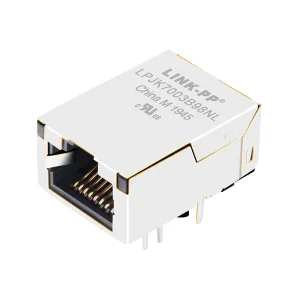
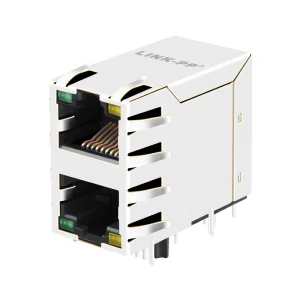
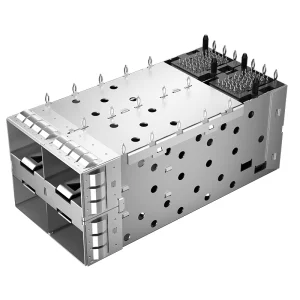
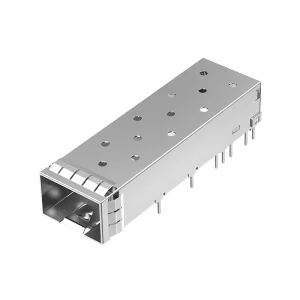
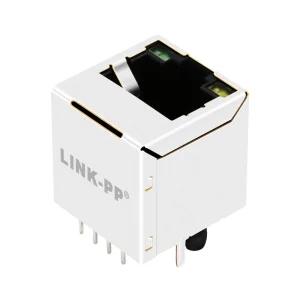
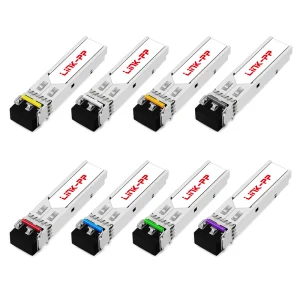
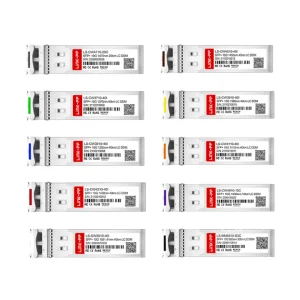
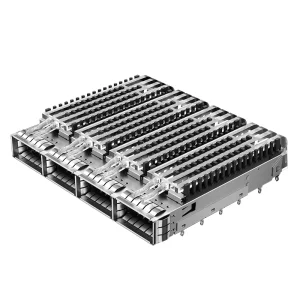
Modern telecommunication networks and industrial control automation lines rely on robust connectivity. The integration of RJ45 and D-sub (D-subminiature) platforms represents a convergence of high-speed Ethernet technology and legacy industrial serial control channels. RJ45 connectors, typically standardized as 8P8C interfaces, handle high-frequency data up to Gigabit rates (and 10G copper variants), while D-sub connectors are the gold standard for rugged, multi-pin electrical connections carrying power, control signals, and serial communications (RS-232, RS-422, RS-485).
Choosing the correct manufacturers for these components requires deep insight into contact geometry, shielding configurations, and electrical isolation parameters. When configuring networks for high-EMI (Electromagnetic Interference) environments, hybrid topologies that deploy shielded RJ45 modules in tandem with heavy-duty metal D-sub shells prevent cross-coupling of high-frequency noise. Manufacturers listed in this guide represent the pinnacle of engineering capability, ensuring mechanical reliability and electrical integrity under rigorous operational environments.
Global deployments demand strict adherence to domestic and international regulations. Top-tier manufacturers maintain rigorous compliance portfolios to facilitate seamless border customs clearance and operational verification.
Leading exporters guarantee that all RJ45 and D-sub products conform to RoHS 3 (Directive 2015/863/EU) and REACH (EC 1907/2006) frameworks. By banning hazardous substances like lead, cadmium, and polybrominated biphenyls, these components meet safety requirements for sensitive applications, including medical hardware and consumer computing.
Exporters targeting the North American and European markets provide UL 94V-0 flame retardancy ratings on plastic housings, CE mark certifications, and FCC part 68 subpart F alignment for modular connector tolerances, guaranteeing physical compatibility and spark mitigation.
China is the global center for high-volume, precision electronic component production. RJ45 and D-sub manufacturers leverage a mature industrial ecosystem that delivers unrivaled cost-efficiency, technical precision, and rapid production scaling.
A deep dive into the engineering paradigms, key product ranges, and geographical market dominance of the top 10 RJ45 and D-sub manufacturers globally.
Global leader in harsh environment interconnects. Famous for TE-compatible press-fit cages and premium D-sub products featuring robust nickel plating and high mating cycle specifications.
Provides highly engineered hybrid RJ45 D-sub variants for defense, aerospace, and high-frequency communication protocols requiring complete EMI/RFI suppression.
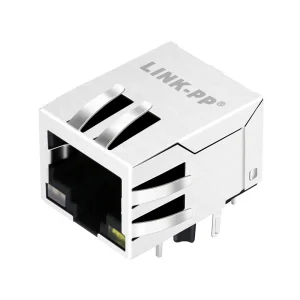
Specializes in high-density magnetic RJ45 connectors (Magjacks) and ultra-miniature D-sub connectors optimized for industrial networking hubs.
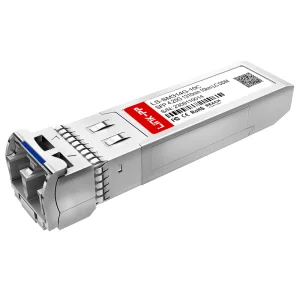
An elite manufacturer providing high-speed optical module solutions, press-fit SFP/SFP+ cages, and high-performance magnetic network interfaces with integrated testing laboratories.
The standard-setter for ruggedized industrial RJ45 components and heavy-duty D-sub backshells optimized for manufacturing lines and robotics.
Pioneers in micro-miniature connectors and low-profile board-to-board solutions, offering unmatched precision in space-constrained layouts.
A leading manufacturer of magnetic components. They produce top-tier magnetic RJ45 connectors that integrate transformers directly inside the connector housing.
Known for a broad range of standard connectors, including customizable LED-integrated RJ45 jacks and space-saving D-sub profiles.
Pioneers of integrated connector modules (ICMs) that support high-speed Ethernet physical layer topologies up to 10G.
Highly recognized for its specialized board-level interconnects, including high-speed modular D-sub systems designed for automotive electronics.
LumoWave Optical Technology Co., Ltd. is a professional optical transceiver and interconnect manufacturer specializing in high-speed communication solutions for global data centers, telecom operators, and enterprise networking applications. Built under the brand LumoWave, the company is committed to delivering stable, high-performance, and cost-effective optical modules ranging from 10G to 800G, including SFP, QSFP, QSFP-DD, and coherent transmission solutions.
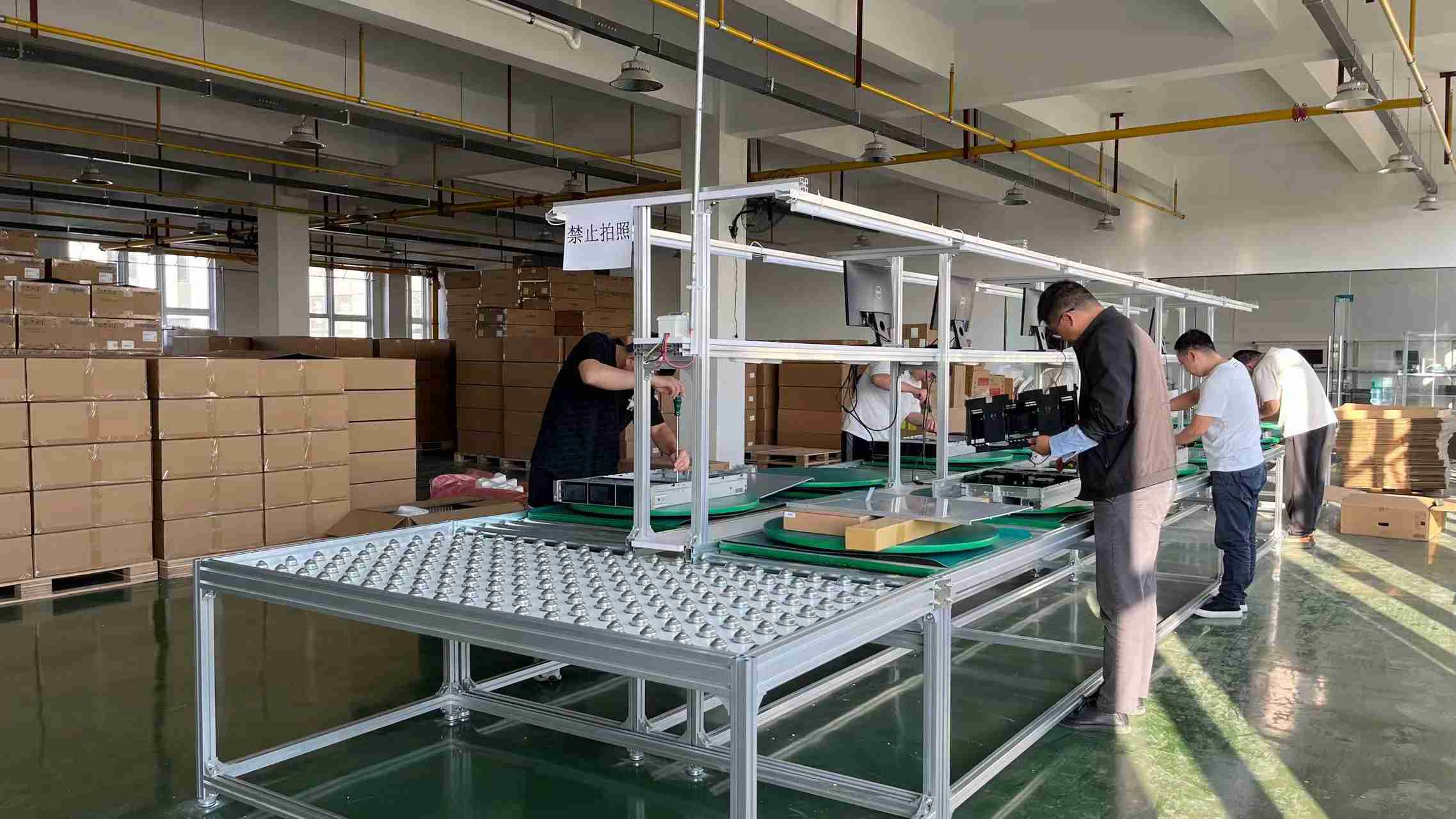
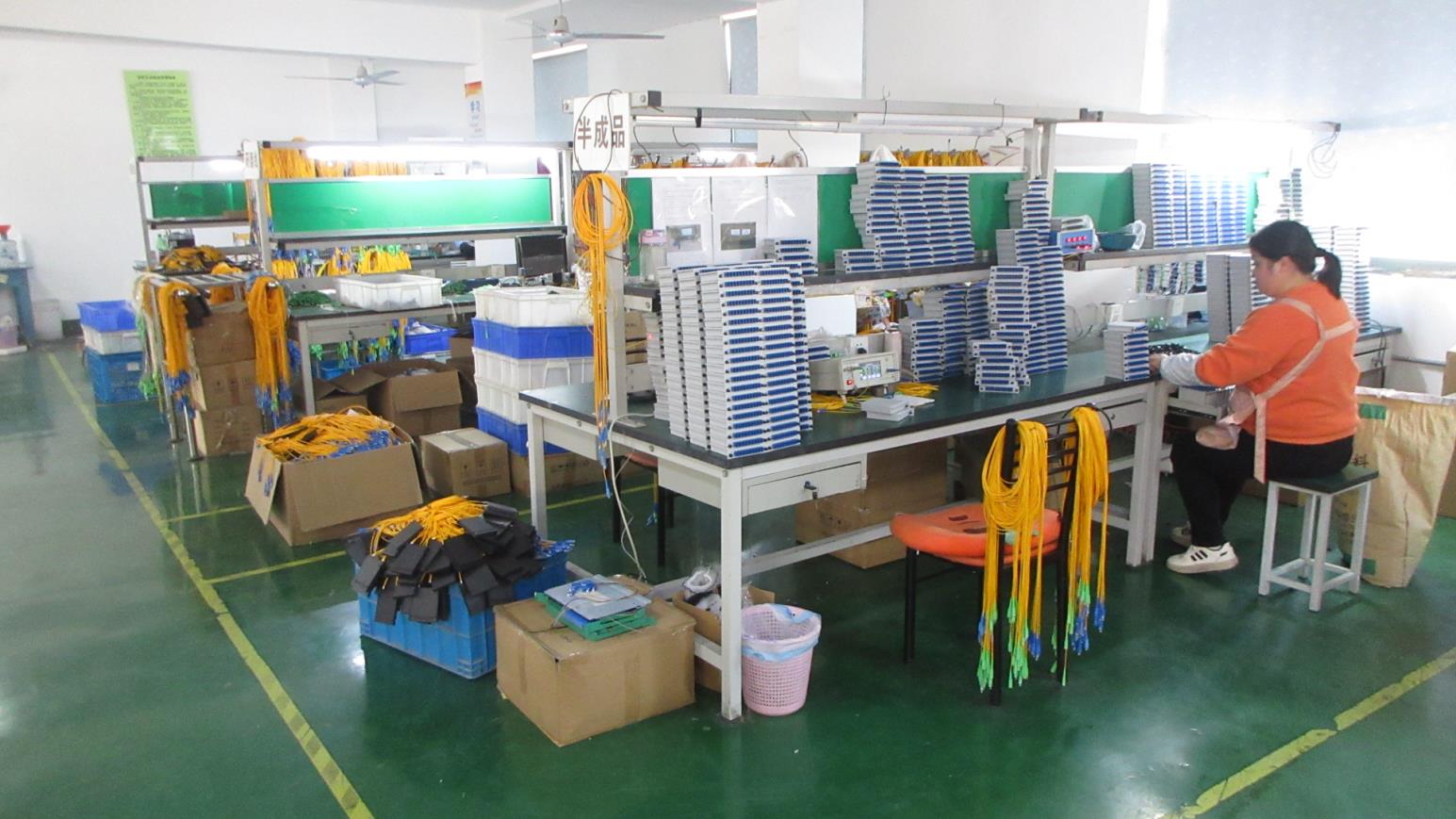
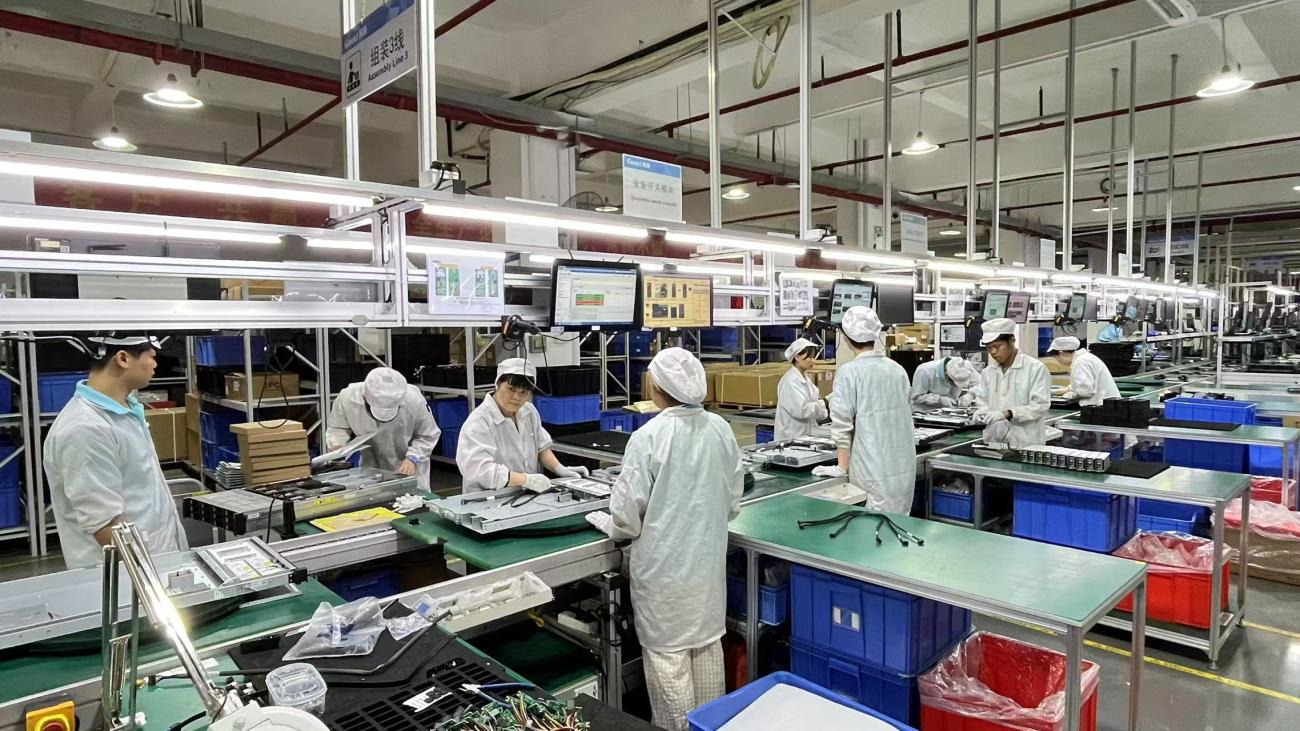
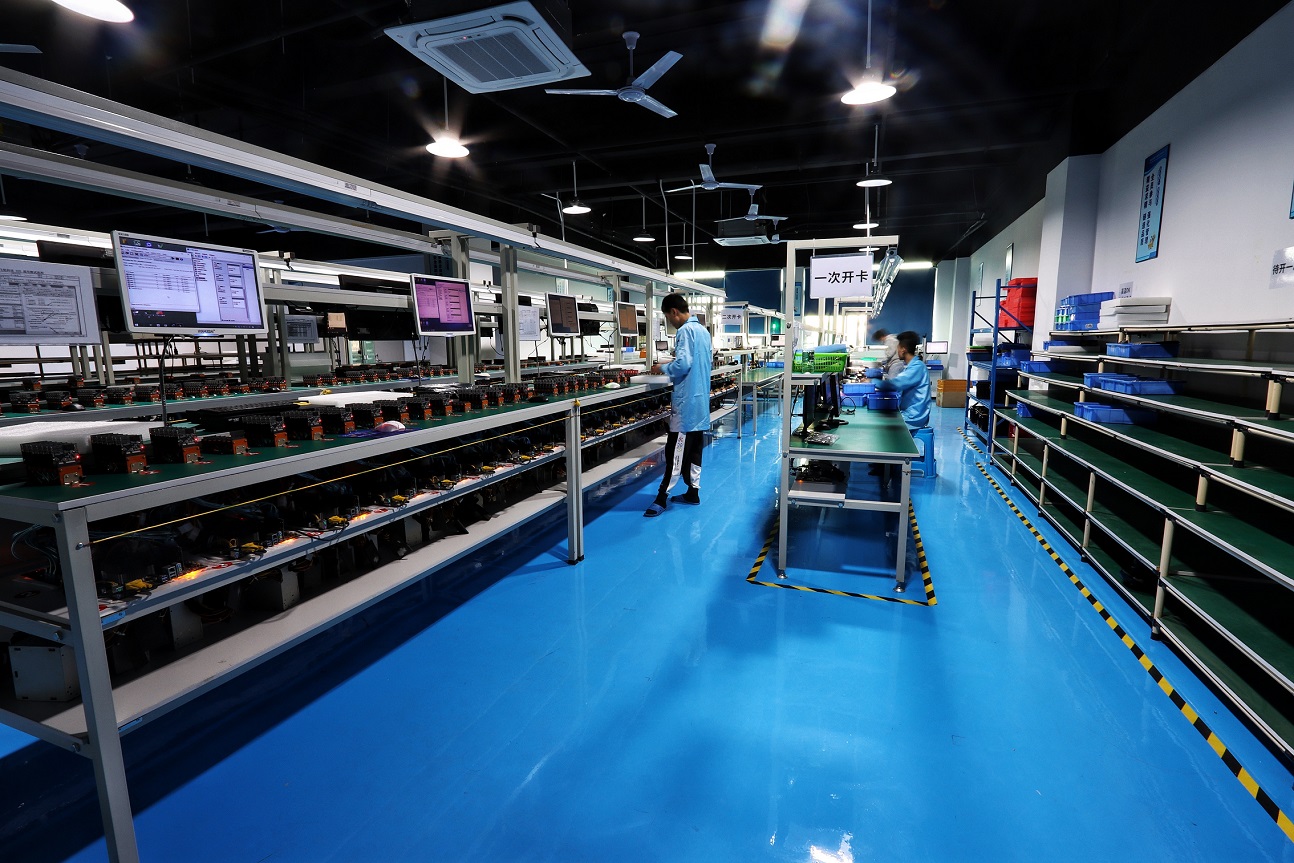
Founded in 2016, LumoWave has developed into a reliable OEM/ODM supplier with a modern production facility covering approximately 320,000㎡. The company generates an annual export revenue of around $12 million, with 8 years of export experience and 12 years of industry expertise in optical communication technologies and high-speed electrical connector configurations.
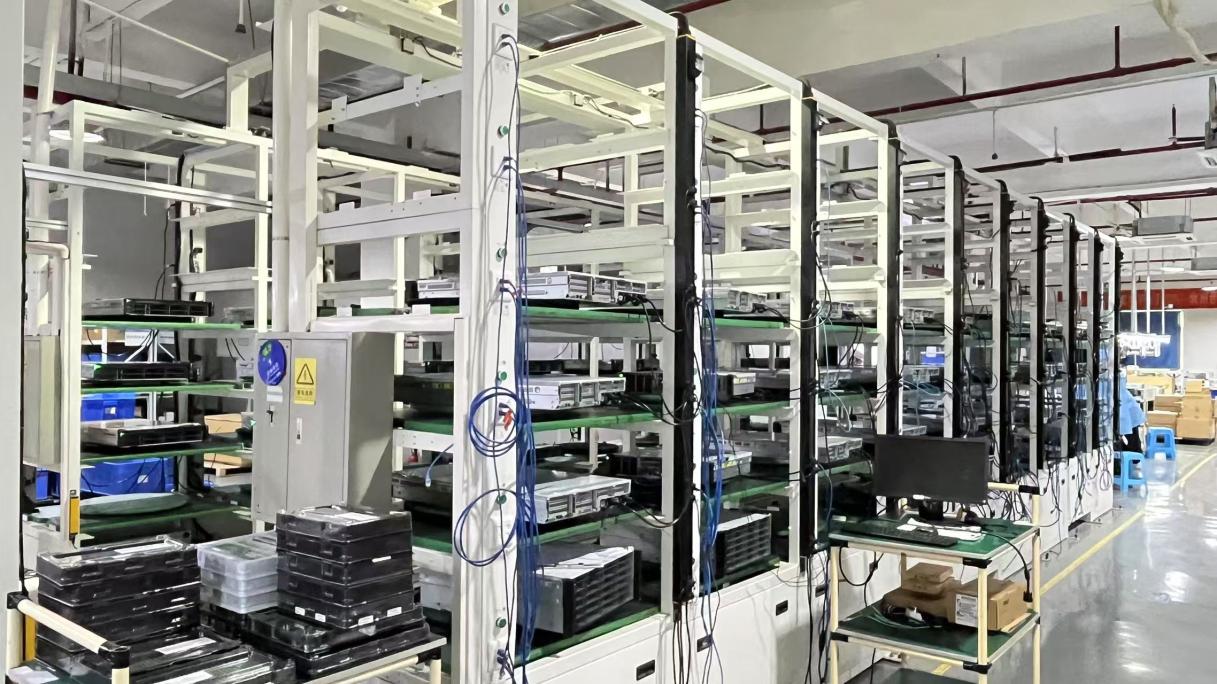
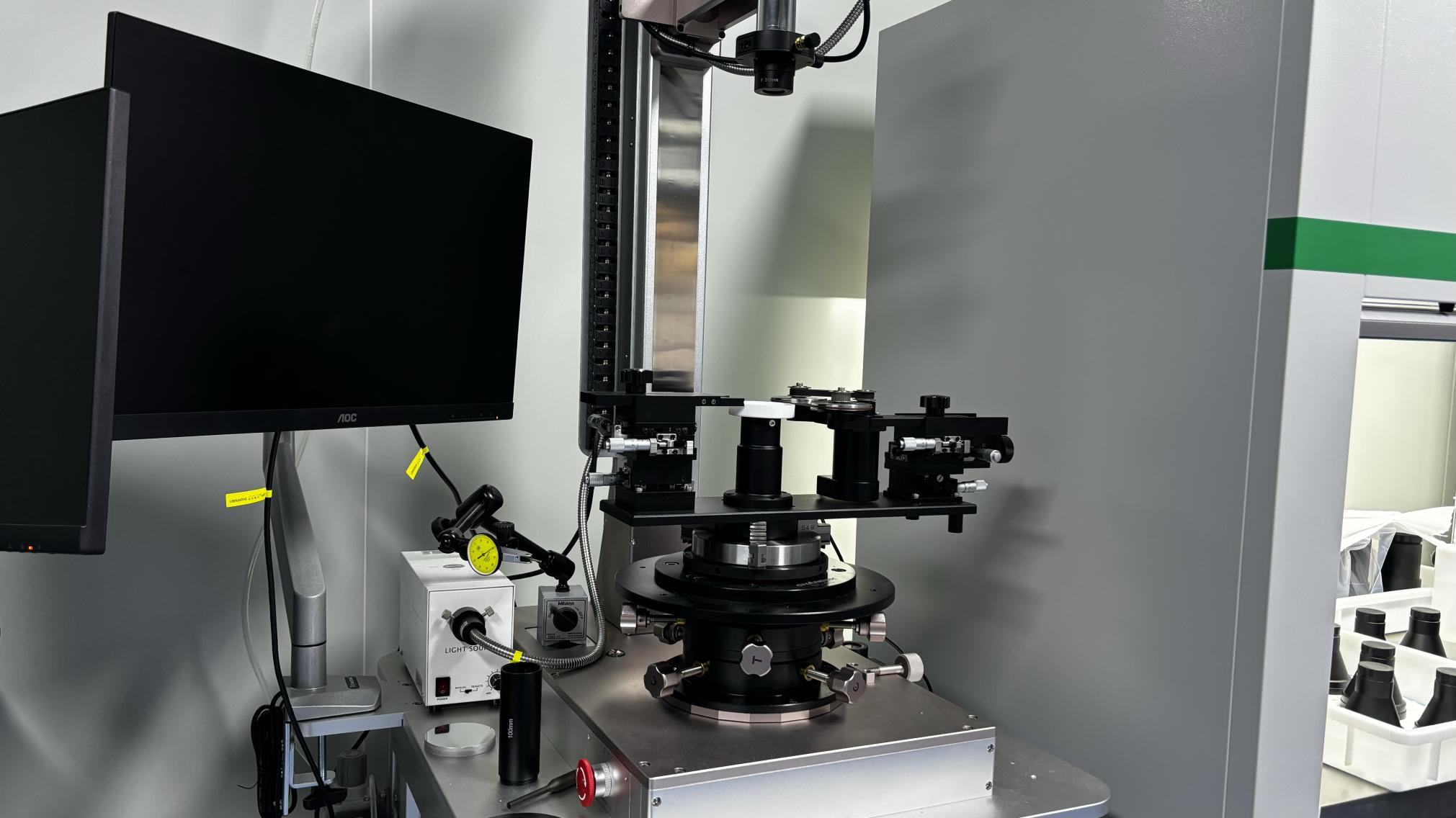
LumoWave operates a comprehensive quality assurance system, including incoming material inspection (IQC), in-process quality control (IPQC), and final product testing (FQC). Advanced testing methods such as optical power testing, BER testing, wavelength accuracy testing, temperature cycling, and aging stress tests are strictly implemented to ensure product reliability. The company employs 45 dedicated quality control personnel to maintain strict compliance with international standards.
With a strong international trade background, LumoWave serves major markets including North America, Europe, Southeast Asia, and the Middle East. Its supply chain ecosystem includes more than 1,200 upstream and downstream partners, supporting scalable and flexible production capabilities. Driven by strong innovation capabilities, LumoWave has a dedicated R&D team of 85 engineers, and released approximately 120 new product designs last year, focusing on next-generation high-speed transmission technologies and energy-efficient optical solutions.

Connect with our engineering team directly to specify customized solutions.
Contact EngineerWhen selecting interconnect solutions, procurement managers must evaluate several technical dimensions to minimize Total Cost of Ownership (TCO) and maximize deployment reliability:
Standard connectors specify mating cycles (typically 500 to 1,500 operations). Heavy gold plating (30u" to 50u") prevents degradation of contact pins from atmospheric oxidation and frequent disconnects.
Electromagnetic environments require 360-degree metallic shielding to contain signals and block outer EMI. Crosstalk (NEXT/FEXT) must be minimized, particularly in high-speed, multi-channel configurations.
Look for components with a minimum breakdown voltage rating of 1,000V AC and contact resistance below 20mΩ to ensure stable electrical connections under fluctuating loads.
Industrial components must operate between -40°C and +85°C to withstand climate changes, heavy mechanical environments, and proximity to heat-generating processors.
Interconnect requirements vary significantly across different industries. Below are the key scenarios where RJ45 and D-sub products prove critical.
Industrial machinery runs on serial protocols like Modbus and Profibus, requiring D-sub connections. Concurrently, real-time Ethernet controllers require magnetic RJ45 interfaces to maintain synchronization between production stations and SCADA systems.
Core networks require high-speed modules, such as 25G and 100G transceivers, combined with TE-compatible press-fit cages. These components ensure high-density line card configurations while maintaining optimal thermal performance through dedicated heat sinks.
The networking industry is moving rapidly toward co-packaged optics (CPO) and high-density, multi-gigabit copper cabling. Key shifts include:
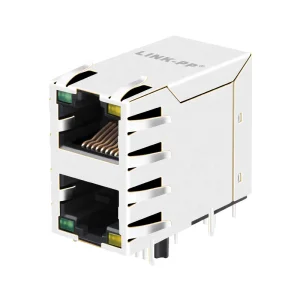
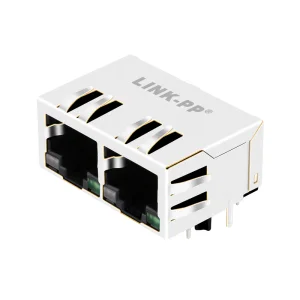
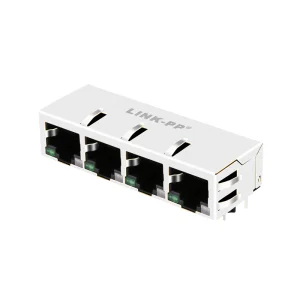
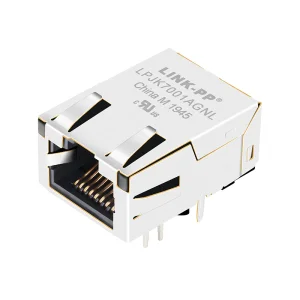
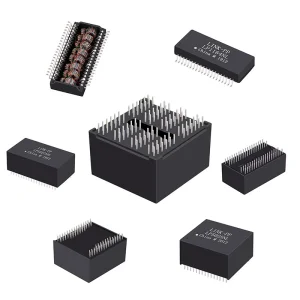
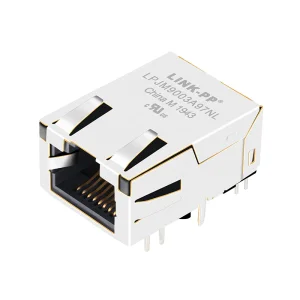
Explore our secondary range of modular jacks, board mount transformers, and high-frequency active transceivers designed for high-density networking infrastructures.
What are the primary differences in shielding for RJ45 vs D-sub connectors?
RJ45 connectors typically utilize a stamped metal sheet shell (brass or phosphor bronze with tin/nickel plating) that grounds directly to the board's chassis shield. D-sub connectors, especially in heavy industrial environments, use full cast-metal backshells (zinc alloy) with cable clamps, providing superior 360-degree EMI/RFI isolation and mechanical strain relief compared to standard RJ45 shields.
How does LumoWave ensure signal compatibility across transceivers and modular connectors?
LumoWave conducts extensive in-system validation testing. We utilize high-speed BERT (Bit Error Rate Testing) equipment and network analyzers to measure Insertion Loss, Return Loss, and eye-diagram quality, ensuring that transceivers and physical RJ45 interfaces operate with minimum jitter and signal degradation.
What are the key benefits of integrated magnetics (Magjacks) in RJ45 assemblies?
Integrated magnetics (such as in the 0826-1G4L-43M-F) combine the network transformer, common-mode chokes, and status LEDs inside a single shielded connector housing. This saves up to 50% of PCB space, simplifies routing, and isolates high-frequency noise directly at the physical boundary, protecting internal PHY chips from transient surges.
Why is gold plating thickness critical for industrial RJ45/D-sub connectors?
Gold is highly resistant to oxidation and maintains low contact resistance. Standard computer peripherals use gold flash (1-3u"), but industrial-grade connectors require 15u" to 50u" gold plating. This thicker plating prevents mechanical wear from mating friction and protects contacts from corrosive environments, such as sulfur gases in manufacturing plants.
How do manufacturers comply with localized environmental regulations for export?
Top exporters maintain up-to-date compliance certifications, including RoHS 3 and REACH. They conduct regular testing using X-ray fluorescence (XRF) spectroscopy on raw materials to ensure that lead, mercury, and other restricted heavy metals are below regulated thresholds, facilitating smooth customs clearance and environmental audits.
What options are available for custom EEPROM configurations?
For high-speed optical transceivers and active copper cables, manufacturers like LumoWave provide custom EEPROM programming. This allows customers to write specific vendor codes, part numbers, and unique serial IDs, ensuring complete compatibility with host systems from Cisco, Juniper, Arista, and other major networking brands.
 LumoWave