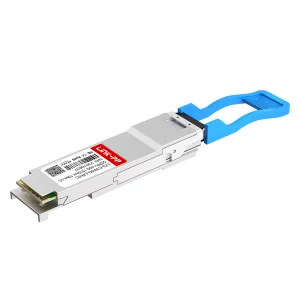
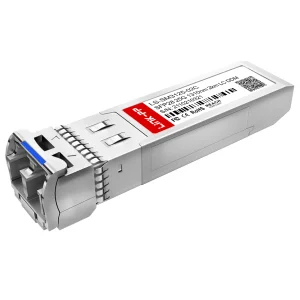
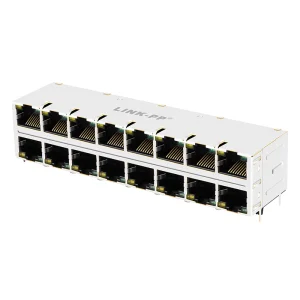
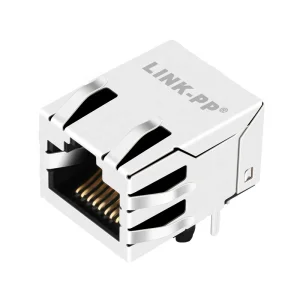
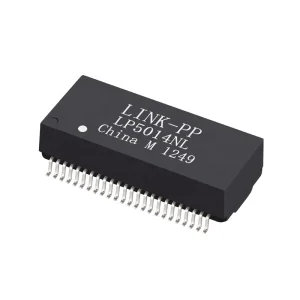
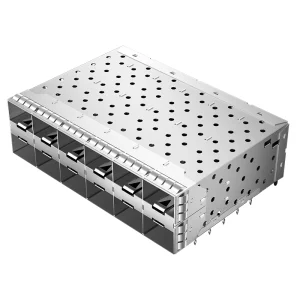
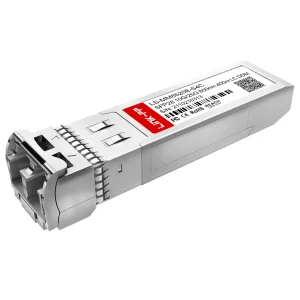
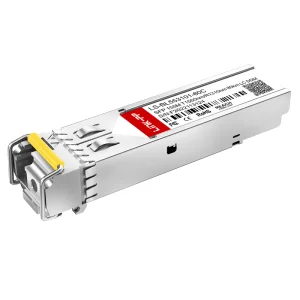
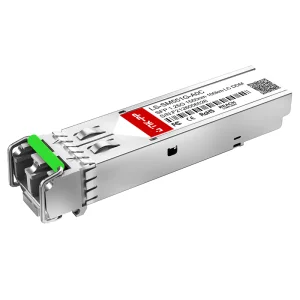
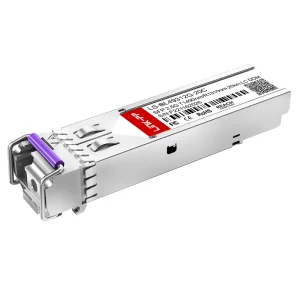
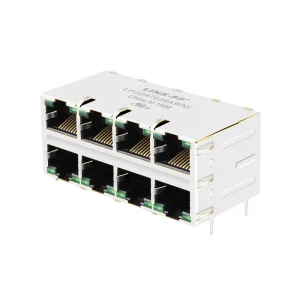
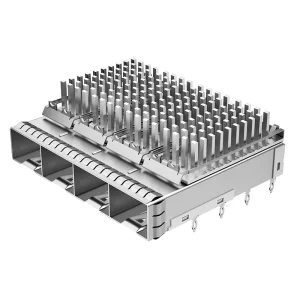
Explore our flagship series of enterprise-ready SFP transceivers, cages, and high-frequency RJ45 modules engineered for absolute reliability.
Forging high-performance interconnect infrastructures for the global digital economy since 2016.
LumoWave Optical Technology Co., Ltd. is a globally recognized, professional optical transceiver manufacturer specializing in high-speed fiber optic communication solutions. Under our premier brand LumoWave, we design, manufacture, and distribute stable, high-performance, and cost-effective optical modules ranging from 10G legacy systems up to next-generation 800G coherent solutions. Our comprehensive portfolio supports global data centers, telecom operators, and complex enterprise networking topologies with technologies including SFP, QSFP, QSFP-DD, and custom coherent transmission platforms.
Founded in 2016, LumoWave has scaled into a reliable OEM/ODM provider. Our production footprint encompasses a massive 320,000㎡ facility equipped with advanced automated assembly, precision alignment, and comprehensive diagnostics systems. Bolstered by 12 years of industry expertise and 8 years of international export operations, we maintain a robust footprint across North America, Europe, Southeast Asia, and the Middle East, generating an annual export revenue exceeding $12 million.
Analyzing the global paradigm shifts toward ultra-high bandwidth, Silicon Photonics, and sustainable architectures.
The global telecommunication landscape is undergoing rapid evolution. Key drivers such as AI workloads, cloud virtualization, and edge computing are pushing standard architectures past traditional bandwidth barriers. We track these changes across four critical fronts:
Legacy 10G and 25G channels are progressively consolidating into higher-density pipelines. While 25G SFP28 and 100G QSFP28 modules remain workhorses for mid-tier topologies, hyperscale data centers are aggressively adopting 400G QSFP-DD and 800G configurations utilizing PAM4 modulation.
Silicon Photonics (SiPh) transitions discrete optoelectronic parts onto silicon platforms, lowering fabrication costs while enhancing integration densities. This evolution directly mitigates thermal and electrical coupling issues prevalent in traditional designs.
Modern networks consume substantial electricity. Advanced engineering must focus on optimizing power consumption, reducing wattage per gigabit, and employing advanced heat sinks and thermal pathways to ensure reliable operation under continuous load.
How global network operations secure scalability, risk reduction, and seamless OEM/ODM integration.
For system integrators and telecom procurement managers, vendor evaluation extends far beyond per-unit pricing. Supply chain resilience, software compatibility, and regulatory compliance determine long-term operational costs.
Multi-Vendor Compatibility: One of the most persistent bottlenecks in enterprise IT deployment is brand lock-in. Original Equipment Manufacturers (OEMs) use vendor-specific EEPROM keying to restrict networks. LumoWave bypasses these barriers by maintaining an extensive compatibility lab, utilizing real-world target host platforms (Cisco, Juniper, Arista, Huawei, Dell, and others) to program and verify EEPROM configurations, ensuring transparent drop-in operation.
Ecosystem Partnerships: A manufacturer's responsiveness relies heavily on its component supply chain. Our integrations with over 1,200 upstream and downstream partners secure prioritized access to essential wafers, laser chips (DFB & EML), photodetectors, and microcontrollers. This network buffer allows us to maintain production scalability and minimize lead times even during global chip shortages.
From hyperscale data centers to ruggedized telecom backhauls, explore our comprehensive system solutions.
Our portfolio is divided into structural applications, designed to optimize performance across three distinct industry verticals:
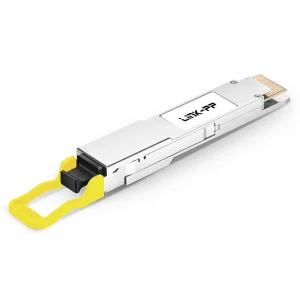
Supporting spine-leaf topologies and optical cross-connect arrays. Solutions feature 400G DR4/FR4 QSFP-DD, 100G QSFP28, and 25G SFP28 links optimized for low latency and high density, helping platforms scale bandwidth efficiently.
Facilitating long-reach, high-performance transport. Using single-fiber bidirectional (Bidi) transceivers, DWDM multi-wavelength systems, and coherent SFP devices to extend network range while preserving physical fiber infrastructure.
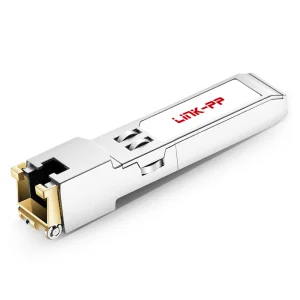
Designed for challenging environments. Utilizing copper RJ45 modules (10GBASE-T, 1000BASE-T) and shielded connector systems to resist electromagnetic interference (EMI) and operate reliably in extreme conditions.
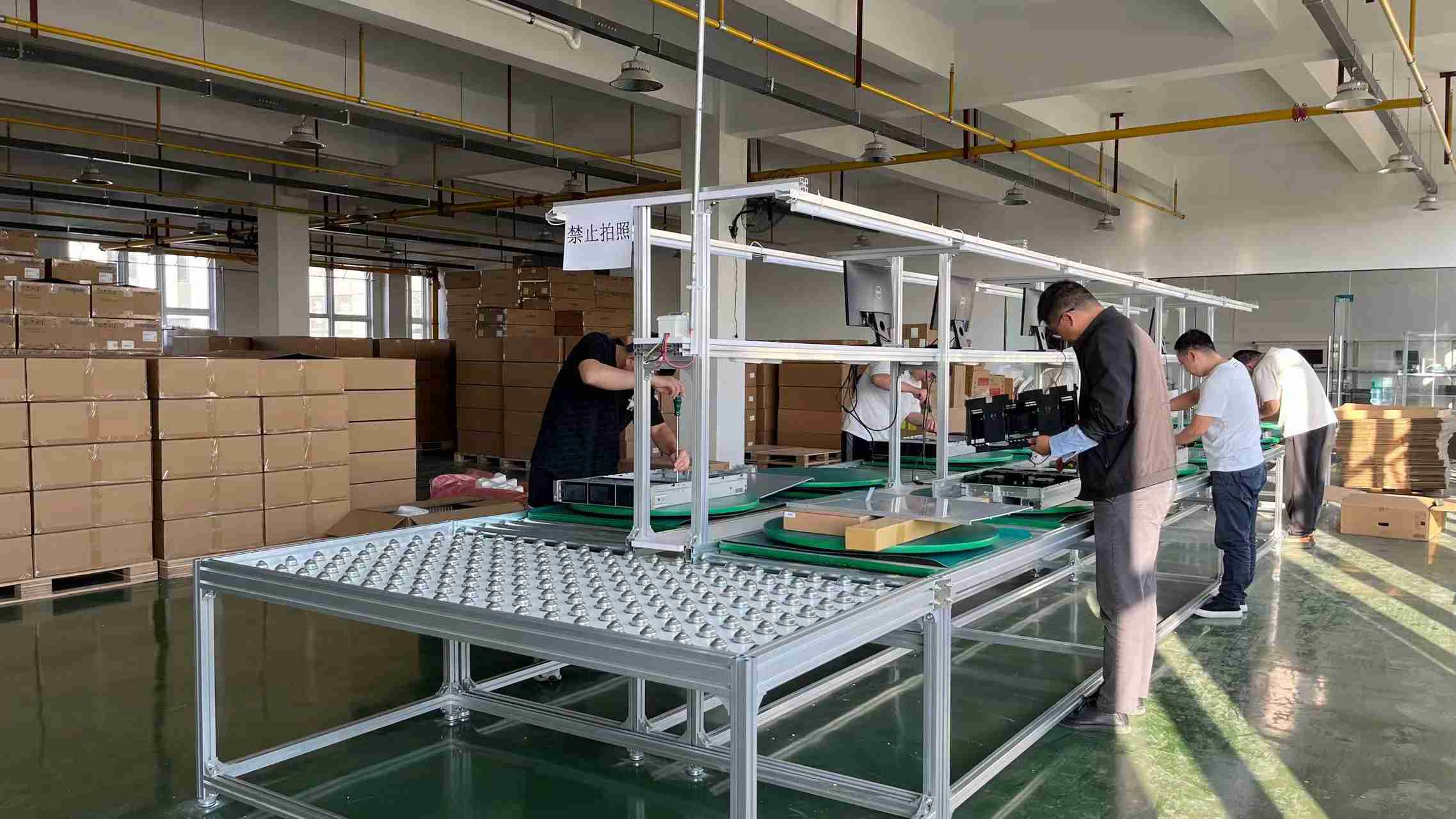
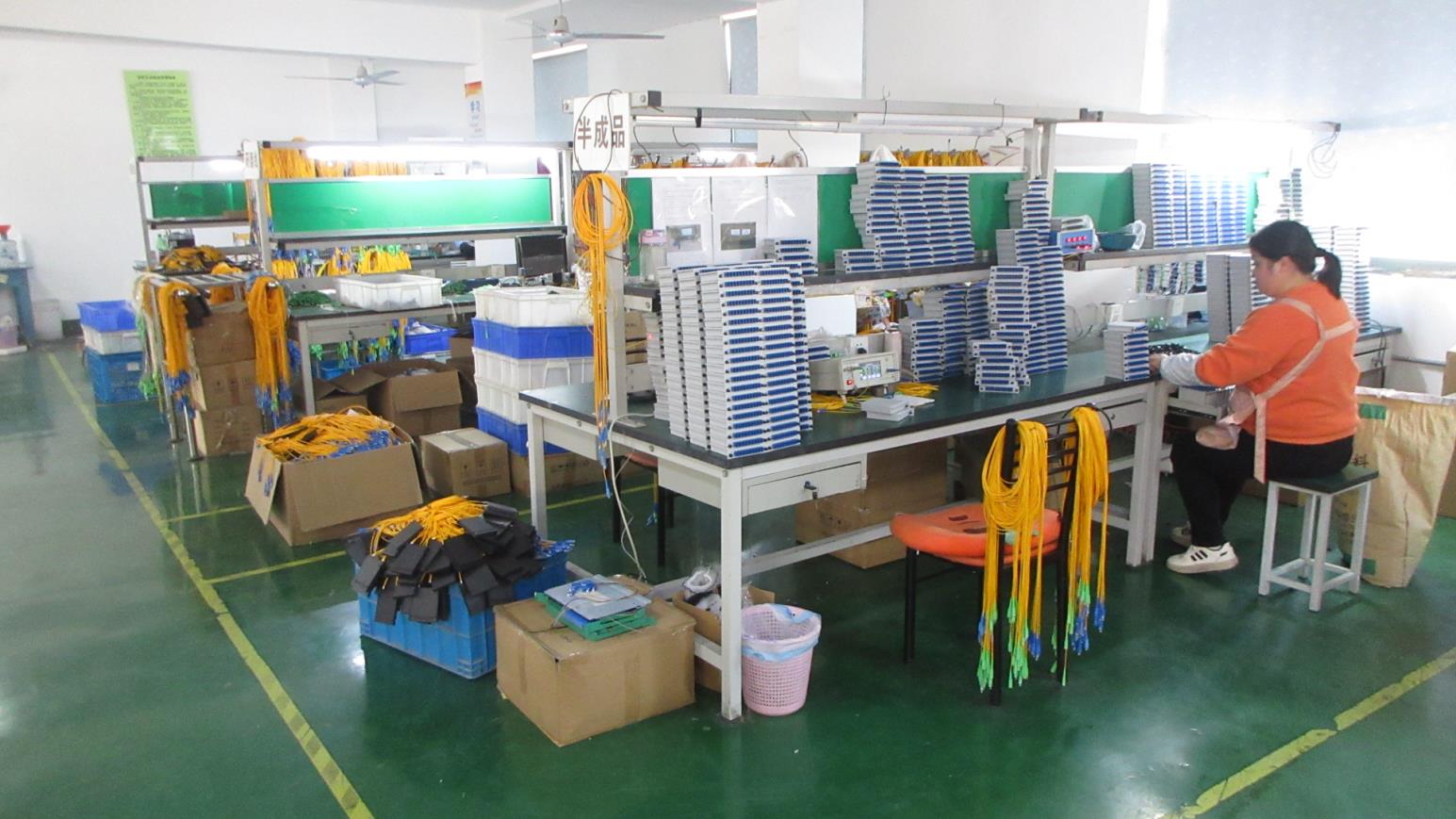


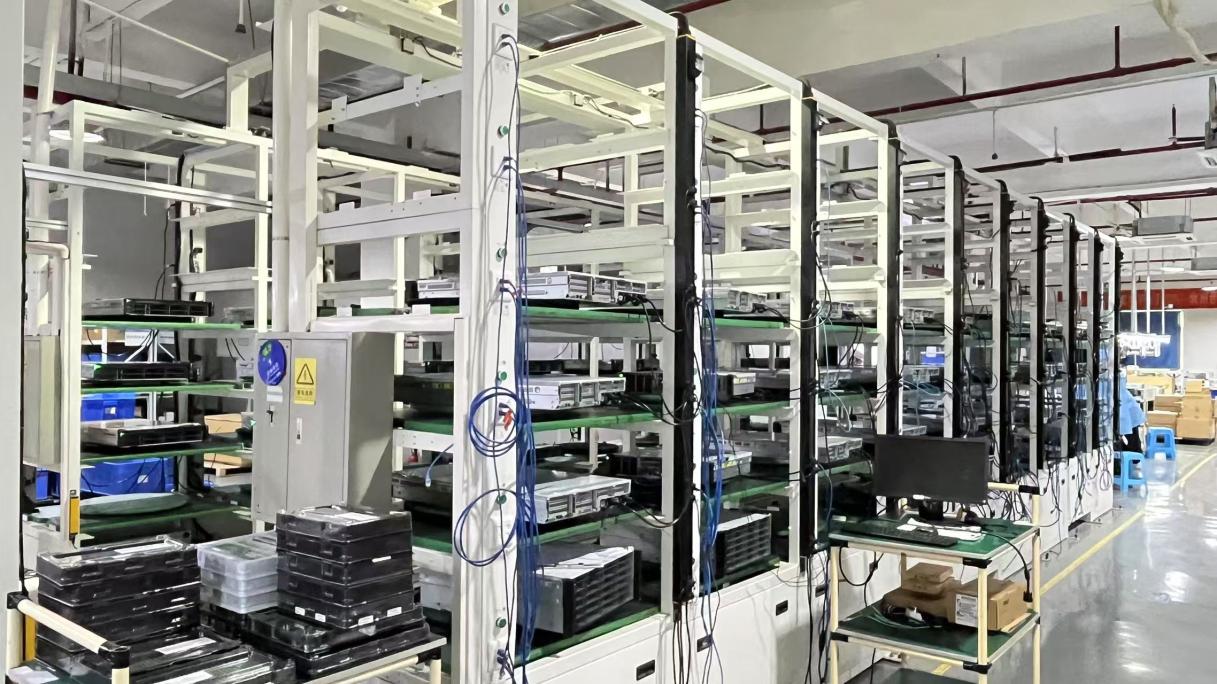
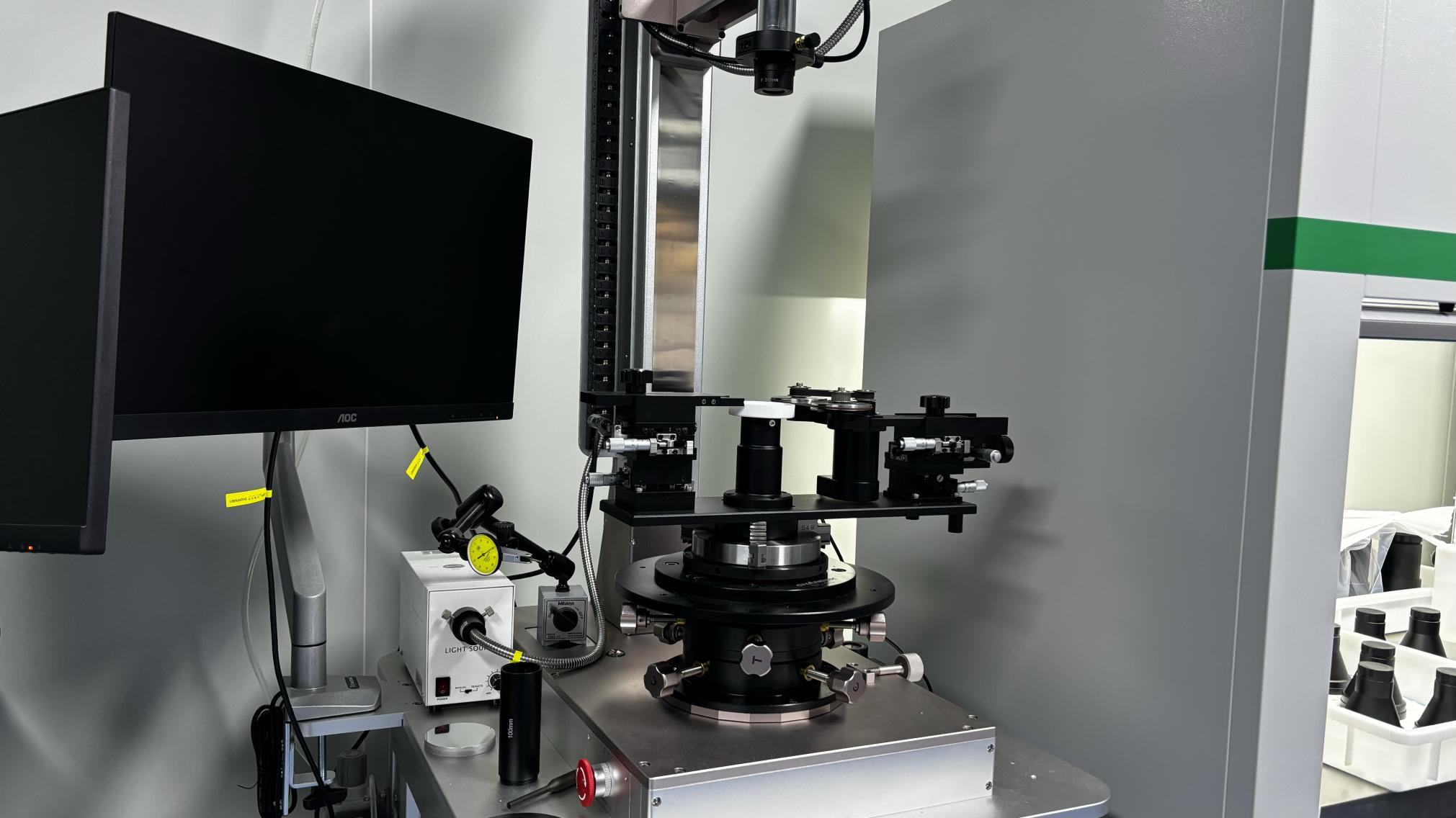

How we maintain zero-defect standards across millions of mass-produced components.
Reliability is paramount in high-speed optical communications. A single link failure can disrupt transactions and compromise critical cloud workloads. LumoWave operates a comprehensive quality assurance framework supervised by 45 dedicated quality control personnel.
Incoming materials, including high-speed laser chips (DFB, EML), silicon optical sub-assemblies, PCBs, and connectors, undergo strict verification to ensure raw material consistency.
Real-time inline testing tracks optoelectronic alignment, epoxy curing, wire bonding, and module assembly to catch and resolve process deviations early.
Every transceiver undergoes rigorous testing, including Bit Error Rate (BER) validation, optical power measurements, eye-diagram checks, and multi-wavelength accuracy tuning.
Modules are subjected to thermal stress testing and cycling (-40°C to +85°C for industrial grade) to identify infant mortality points before packaging.
Pioneering tomorrow's optoelectronic systems through specialized engineering and targeted design iterations.
Under the direction of our 85-engineer R&D division, LumoWave continues to invest in next-generation high-speed optoelectronics. Our engineering team released 120 new product designs last year, focused on resolving performance bottlenecks in high-speed, high-density networks.
Our research focuses on three key development paths:
Answers to common technical, design, and supply questions from enterprise network engineers.
We operate a dedicated verification lab equipped with original host switches from Cisco, Arista, Juniper, Dell, HP, and Huawei. Every module is programmed with matching EEPROM codes, tested under traffic load, and verified for register reporting before shipping, ensuring plug-and-play operation.
We provide full customization, including custom wavelength selection (CWDM/DWDM grids), transmission distance optimization (up to 80km, 100km, or 120km), custom EEPROM programming, private labeling, packaging, and modified mechanical designs for heat sinks and cages.
Commercial-grade transceivers operate within a 0°C to 70°C range, suitable for climate-controlled data centers. Industrial-grade modules are built with hardened components and tested to perform from -40°C to +85°C, making them suitable for outdoor base stations, transportation networks, and industrial settings.
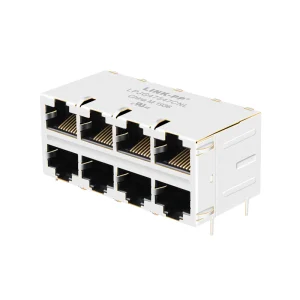
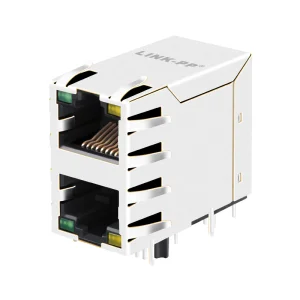
Magnetic RJ45 connectors integrate isolation transformers and common-mode chokes. They protect sensitive physical-layer chips from electromagnetic interference (EMI), voltage spikes, and static discharge, ensuring signal integrity in copper Ethernet links.
Review our high-speed interconnects, cages, and integrated magnetic jacks designed for network equipment manufacturers.
 LumoWave