In modern high-speed telecommunications and industrial networking, the physical interface is often the single most critical factor determining signal integrity and system-level performance. As data rates scale up and electromagnetic interference (EMI) environments become increasingly hostile, standard RJ45 modular jacks no longer suffice. Enterprise network switch design, medical diagnostics equipment, and industrial automation control systems require customized, high-precision interconnect components designed for complex signal conditioning.
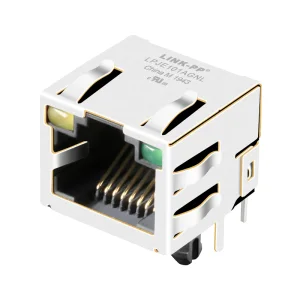
This technical whitepaper explores the design parameters, material optimizations, and supply chain efficiencies that govern the production of next-generation RJ45 Modular Jacks with integrated magnetics (MagJacks). By understanding the micro-electrical design elements—such as Gold contact interface thickness, common-mode chokes, isolation transformer winding topologies, and shielding architecture—RF hardware engineers and procurement managers can make informed strategic sourcing decisions that minimize system-level failure and accelerate time-to-market.
"Signal integrity at the copper interface is the gatekeeper of networking performance. A modular jack is not merely a plastic receptacle; it is a tuned RF circuit housing isolation transformers and EMI filters operating up to gigahertz frequencies."
To deliver low insertion loss and high return loss characteristics across frequency bands, every sub-component within the RJ45 housing must be optimized. The primary areas of interest include:
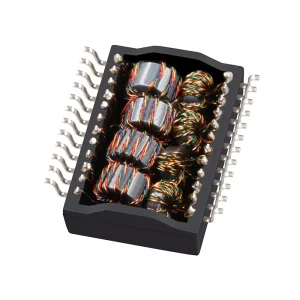
Utilizing high-permeability manganese-zinc ferrite cores and integrated capacitors to attenuate common-mode noise, keeping system emissions well within FCC Class B limits.
Thermal-engineered contact grids supporting IEEE 802.3bt Type 4 configurations, delivering up to 90W-100W DC power alongside Gigabit network throughput safely.
Thermoset housing materials withstand extreme temperature fluctuations (-40°C to +85°C) and comply with UL94 V-0 flammability standards for industrial control panels.
For system integrators, selecting the correct interface layout is critical. Below is a comparative engineering breakdown contrasting raw passive RJ45 connectors with integrated magnetic modules, showcasing why enterprise hardware designs favor high-density integrated connectors.
| Parameters | Standard Passive RJ45 Connector | Integrated MagJack Connector | LumoWave OEM Custom Standard |
|---|---|---|---|
| PCB Real Estate Savings | Low (Requires discrete onboard magnetics) | High (Up to 50% footprint reduction) | Optimized Stacked Designs (2xN, 1xN) |
| High-Frequency EMI Shielding | Dependent on chassis layout | Highly localized shield enclosure | Multi-point EMI fingers + Faraday cage |
| Winding Symmetry / Return Loss | Vulnerable to manual board layout faults | Factory laser-tuned micro-windings | Strict compliance with IEEE 802.3ab (>-12dB) |
| Hipot Isolation (Standard) | Motherboard clearance dependent | 1500 Vrms minimum | 2250 VDC testing on military-spec lines |
| Assembly & Sourcing Complexity | High (BOM count includes inductors, caps) | Low (Single mechanical part to source) | Direct OEM drop-in replacements available |
RJ45 modular jacks serve as the workhorses of local area networks. However, application-specific environments demand different optimization vectors:
In heavy industrial environments, machinery creates severe electrical noise (EMI/RFI) due to high-voltage motors and variable frequency drives (VFDs). For protocol standards like EtherCAT and PROFINET, packet loss is unacceptable. Here, custom shielded RJ45 modules featuring isolated ground paths and ruggedized locking latches ensure uninterrupted communication and physical connection security under high-vibration conditions.
Medical-grade networks must meet strict electrical safety standards (IEC 60601-1) to protect patients and operators from electrical shocks. LumoWave's medical-grade RJ45 connectors provide reinforced insulation, double isolation barriers, and high creepage distances to guarantee safety without compromising 10Gbps data transmission speeds.
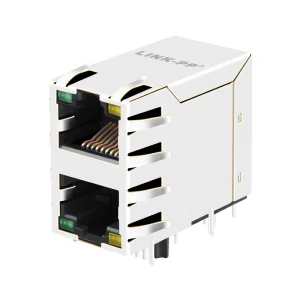
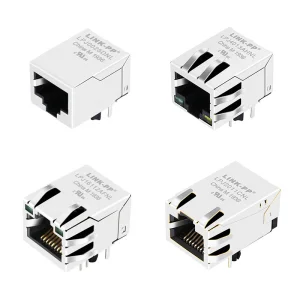
Modern data centers demand high-density server configurations. Stacked 2x4, 2x6, and 2x8 RJ45 connectors with integrated LEDs and light pipes allow systems to pack more ports into standard rack units. High-density design requires thermal efficiency and crosstalk isolation (NEXT) control to prevent channel degradation between adjacent ports.
While optical links dominate long-haul and backbone systems, copper interconnects remain crucial for cost-effective edge connections. The technology roadmap for RJ45 modular jacks focuses on three major technical advancements:
Scaling standard copper connections to 10Gbps requires ultra-precise internal impedance matching and advanced crosstalk cancellation. Modern CAD simulations and high-precision injection molding allow engineers to control pin alignment within micrometers, extending the life of RJ45 configurations into the Cat6A and Cat8 eras.
For IoT and automotive networks, traditional 4-pair cabling is often too heavy and expensive. The industry is moving toward Single-Pair Ethernet (IEEE 802.3cg/ch). LumoWave is developing new miniature SPE connectors that integrate magnetic isolation into a compact form factor, delivering data and power (PoDL) over a single twisted pair.
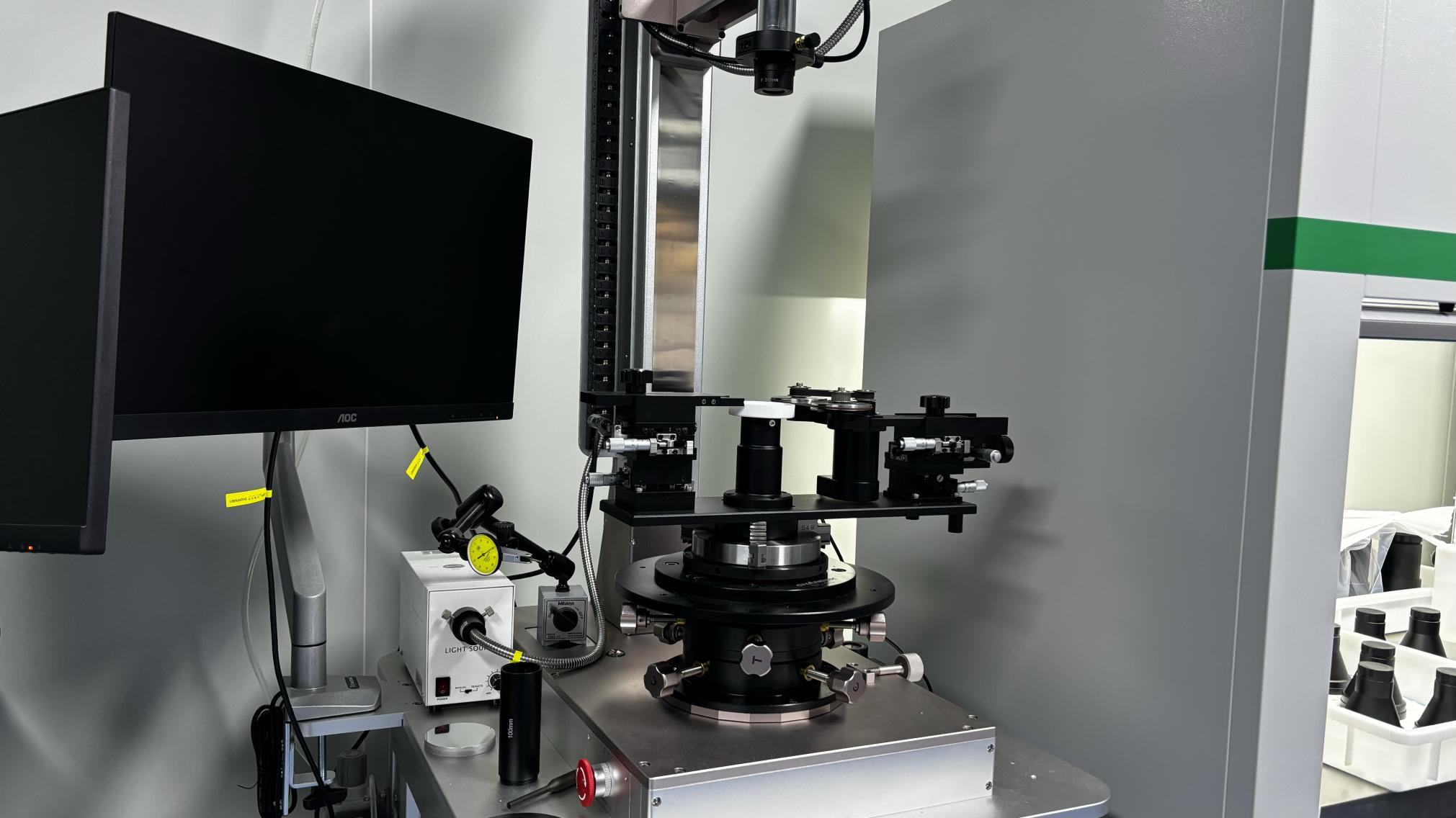
To support this roadmap, LumoWave uses advanced high-frequency network analyzers and 3D electromagnetic field simulation tools. This ensures that every customized connector profile is optimized for signal integrity before tooling begins, reducing engineering cycles and lowering development costs for our global customers.
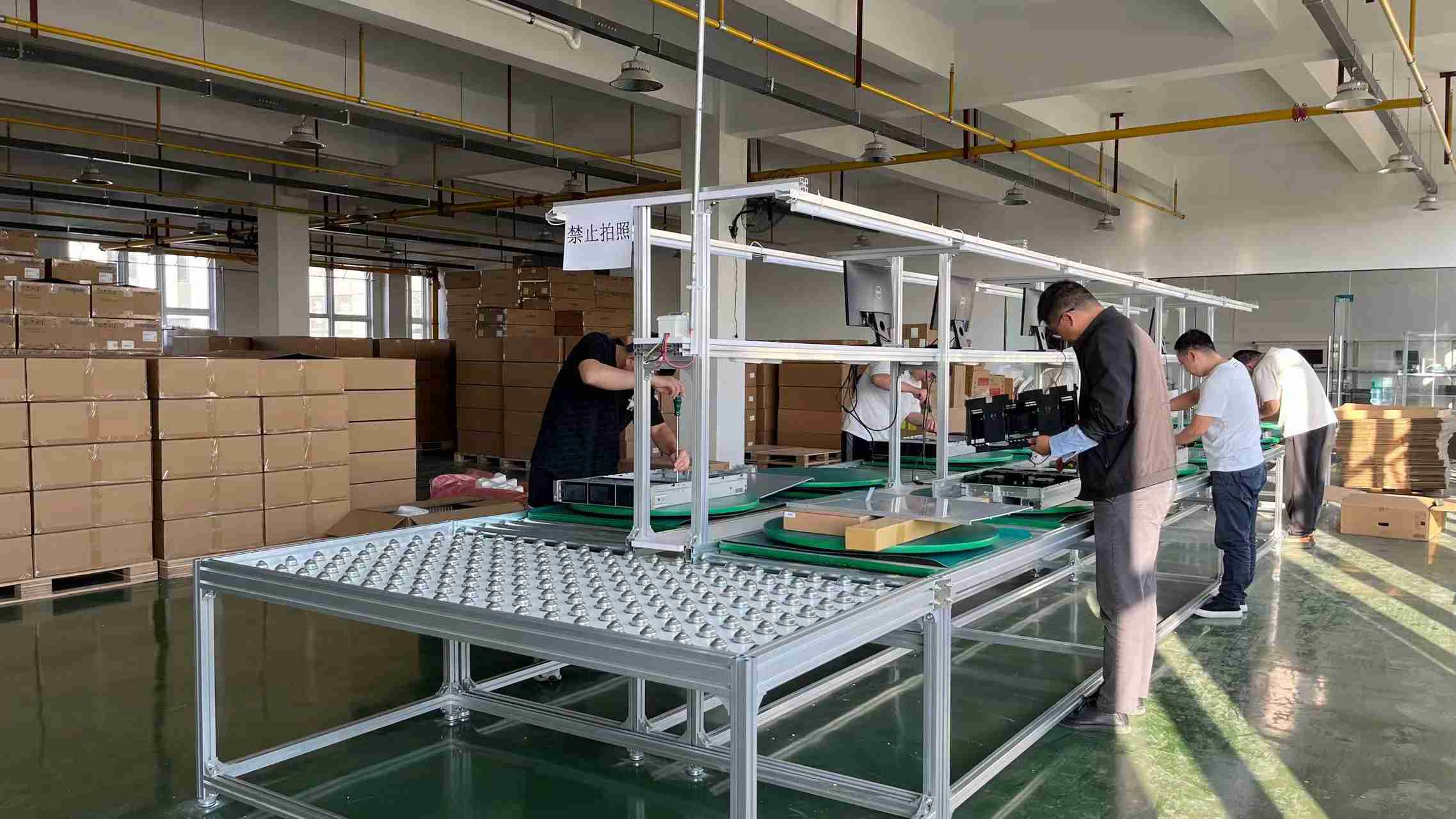
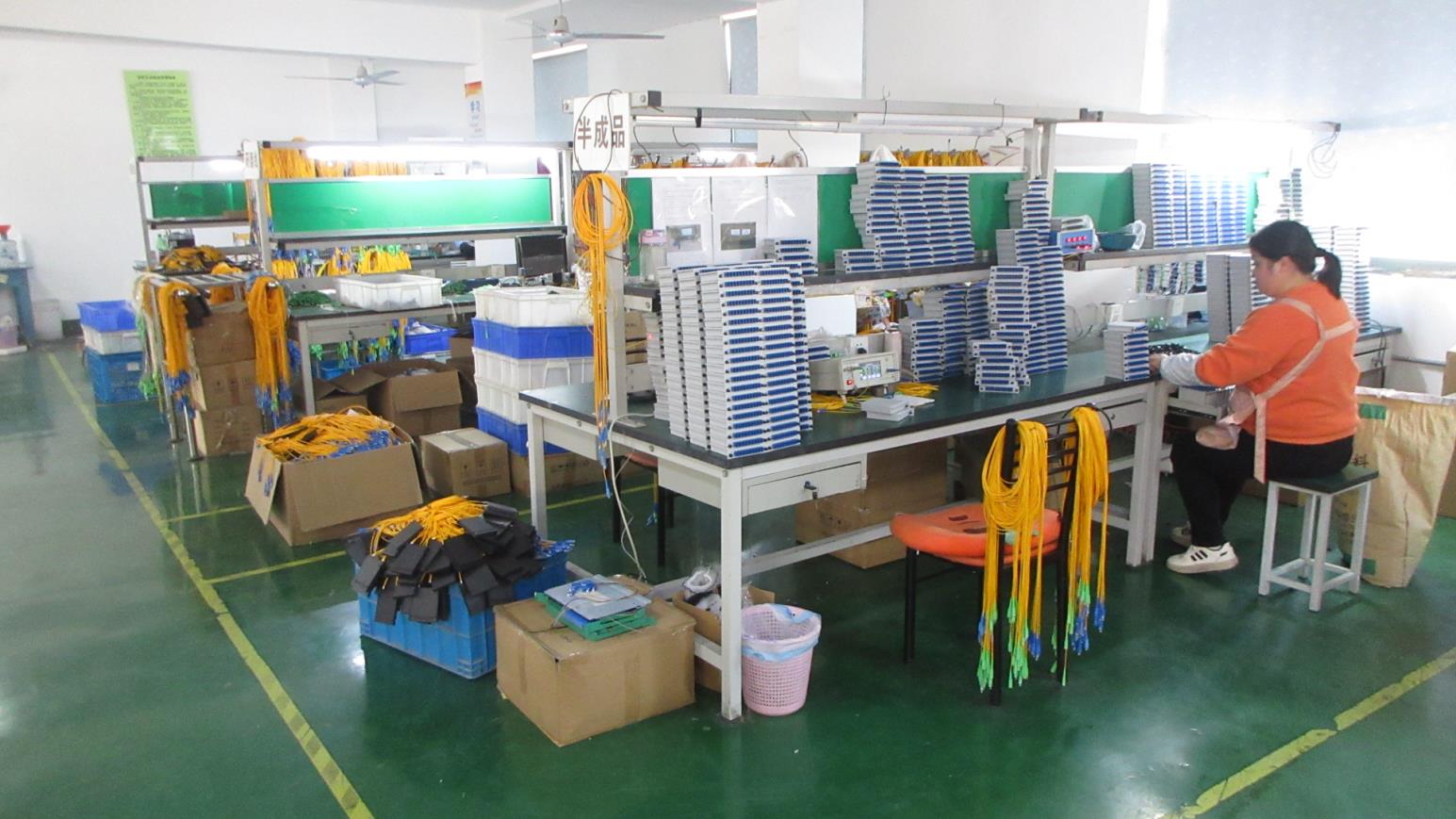
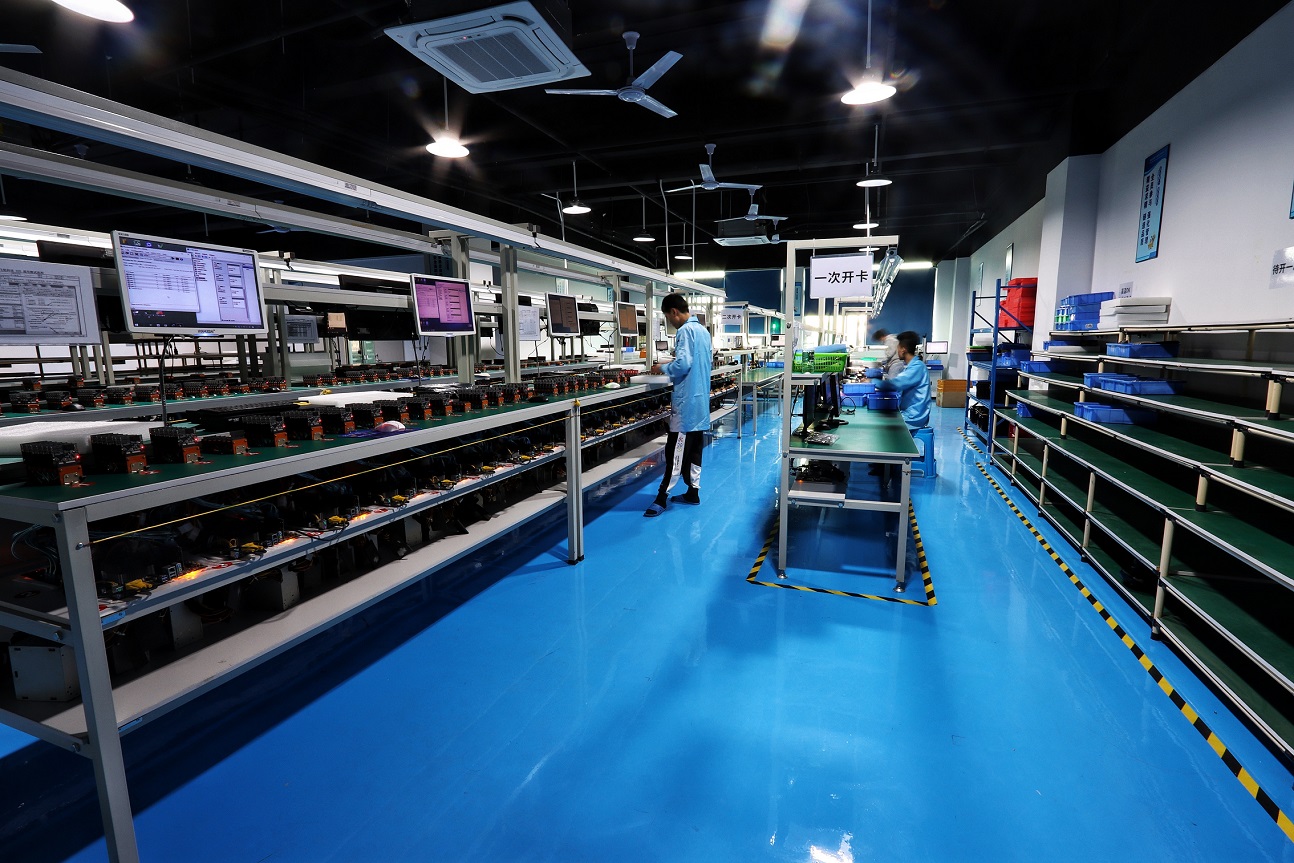
Headquartered in China, LumoWave Optical Technology Co., Ltd. has established a state-of-the-art production ecosystem that guarantees supply chain security and efficiency. Our massive 320,000㎡ manufacturing facility houses fully automated stamping, plating, plastic molding, and assembly lines. This level of vertical integration allows us to control production schedules and maintain high quality standards.
With 8 years of export experience and 12 years of industry expertise, LumoWave understands global trade requirements, custom clearances, and localized compliance standards. Our supply chain network includes more than 1,200 upstream and downstream partners. This deep ecosystem gives us the flexibility to source raw materials reliably and scale production rapidly during sudden market demand spikes.
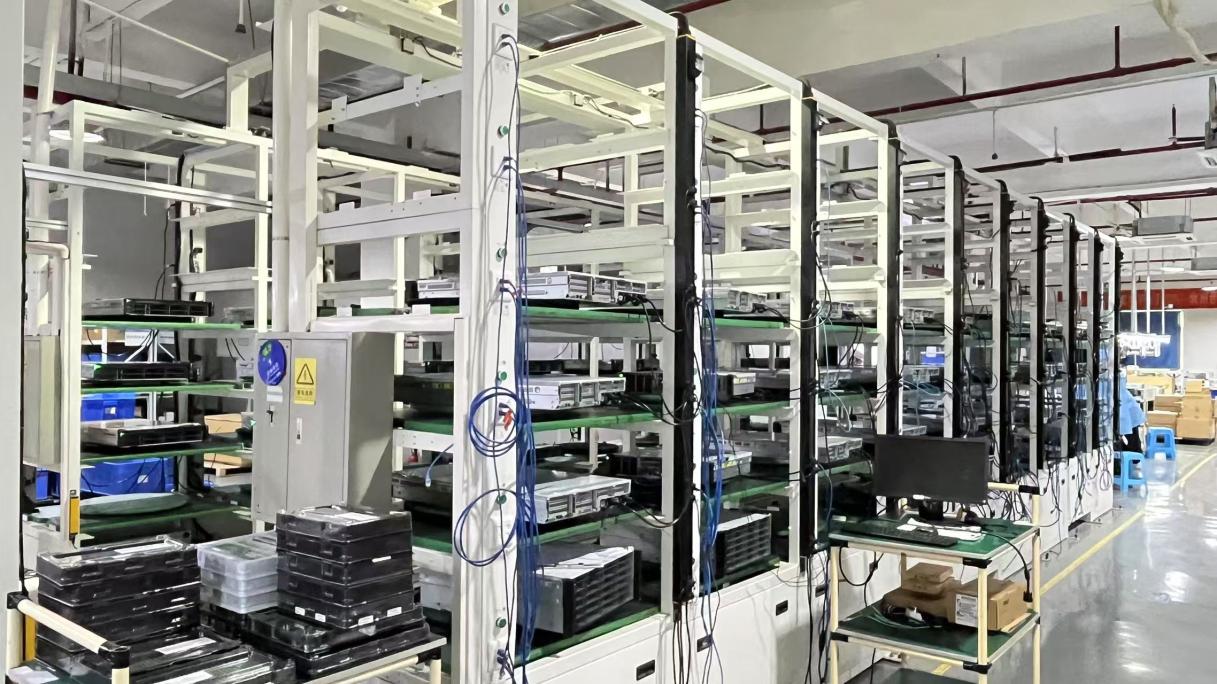
We believe reliability is designed in, but quality is verified through testing. Our 45 dedicated quality control specialists run a rigorous testing program:
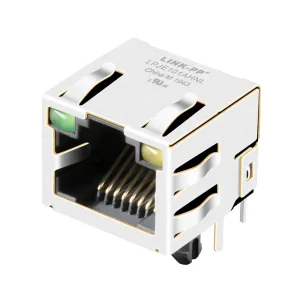
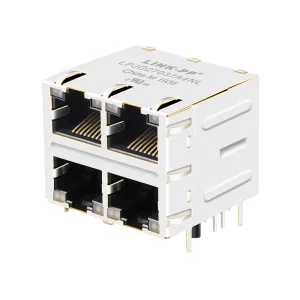
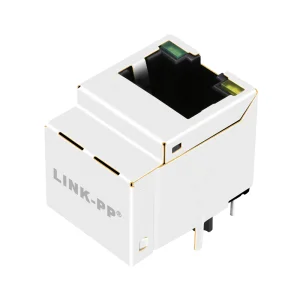
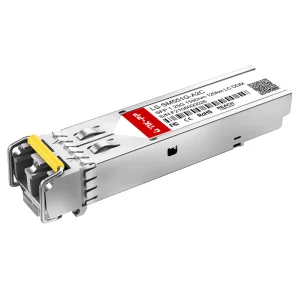
LumoWave Optical Technology Co., Ltd. is a professional optical transceiver and networking connectivity manufacturer specializing in high-speed communications for data centers, telecom operators, and enterprise networking. Under the brand LumoWave, the company delivers stable, high-performance, and cost-effective interconnect solutions ranging from standard RJ45 connectors to 800G optical modules, including SFP, QSFP, QSFP-DD, and coherent optical transmission technologies.
Founded in 2016, LumoWave has developed into a reliable OEM/ODM supplier with a modern production facility covering approximately 320,000㎡. The company generates an annual export revenue of around $12 million, supported by 8 years of export experience and 12 years of industry expertise in optical and copper networking technologies.
Our quality assurance program spans incoming material inspection (IQC), in-process quality control (IPQC), and final product testing (FQC). Advanced testing protocols—including optical power testing, BER testing, wavelength accuracy validation, thermal cycling, and accelerated aging stress tests—are strictly implemented. We employ 45 dedicated quality control professionals to maintain compliance with international telecommunication standards.
LumoWave serves major global markets across North America, Europe, Southeast Asia, and the Middle East. Our supply chain ecosystem includes more than 1,200 upstream and downstream partners, supporting flexible and scalable production. Our core customer base consists of telecom operators, data center integrators, cloud service providers, system equipment manufacturers, and network solution providers. We also offer customization options including wavelength tuning, distance optimization, EEPROM programming, and private labeling.
Driven by continuous innovation, our R&D team features 85 engineers. Last year, we released approximately 120 new product designs focusing on next-generation high-speed transmission technologies and energy-efficient optical and copper interface designs. LumoWave continues to invest in research and development to remain a trusted partner in the global telecommunications industry.


 LumoWave