Engineered for telecommunication infrastructures, data centers, and industrial automation networks requiring zero-loss transmission.
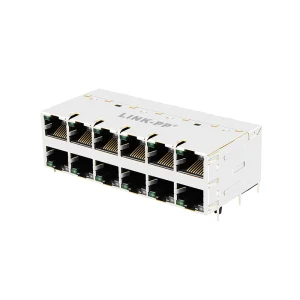
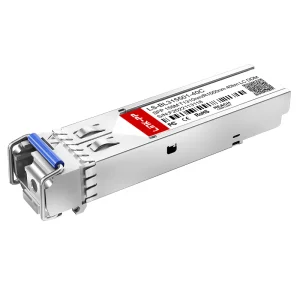
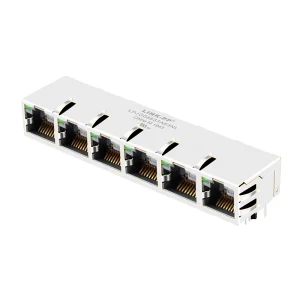
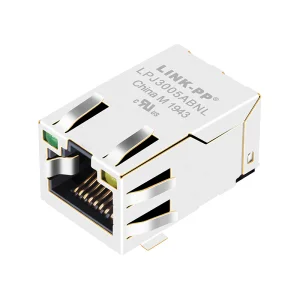
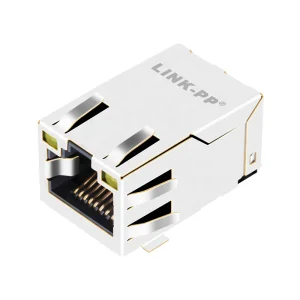
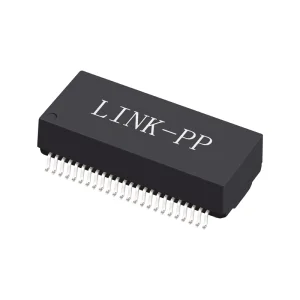
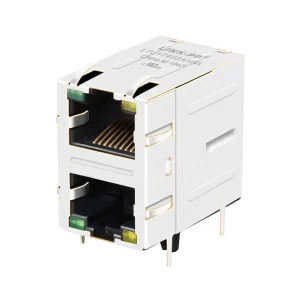
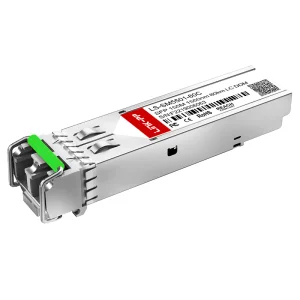
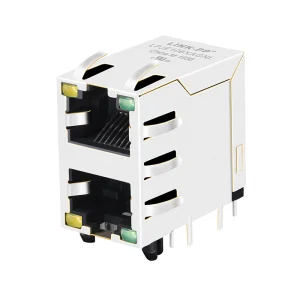
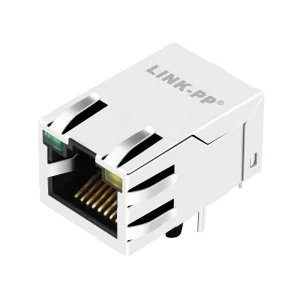
In modern telecommunications and enterprise-grade networking, the RJ45 interface remains the bedrock of physical layer connectivity. While often categorized under passive components, the operational integrity of RJ45 couplers and connectors directly impacts high-frequency signal propagation. An RJ45 coupler acts as an inline female-to-female adapter, bridging separate Ethernet patch cables to extend transmission lengths without sacrificing impedance consistency.
However, from a network architecture perspective, inserting a coupler introduces an additional physical mating point. This creates potential insertion loss, near-end crosstalk (NEXT), and impedance mismatches. Therefore, selecting high-quality RJ45 couplers and integrated connector assemblies is not merely a matter of hardware compatibility, but a critical protocol to maintain strict Category compliance (Cat5e, Cat6, Cat6A, and Cat8).
"Every physical junction is a potential point of signal degradation. Enterprise-grade couplers mitigate this through advanced gold-plated contact pins and structural EMI shielding."
Technical buyers, hardware system integrators, and telecom sourcing directors search for suppliers under rigorous criteria. They demand specific information regarding:
How industry leaders maintain absolute electrical consistency across millions of production batches.
Top factories invest in high-precision, progressive die stamping machines. The accuracy of the internal copper contact pins determines the insertion and retention forces, ensuring optimal contact pressure over thousands of mating cycles.
Industrial applications require robust plating thickness. Premium manufacturers use electroplating technology to apply up to 50 micro-inches (50µ") of pure gold over nickel, preventing contact oxidation and high contact resistance over time.
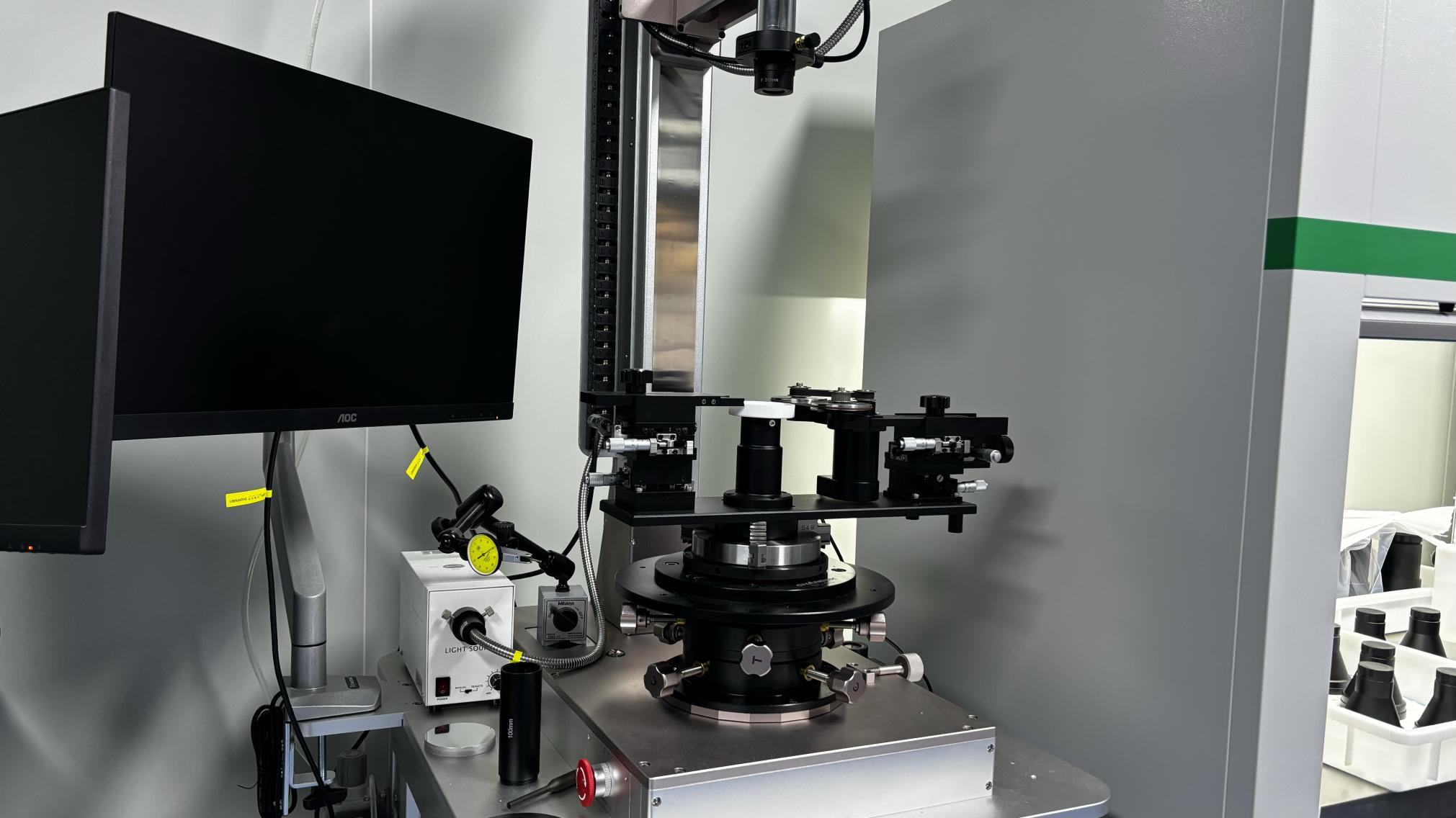
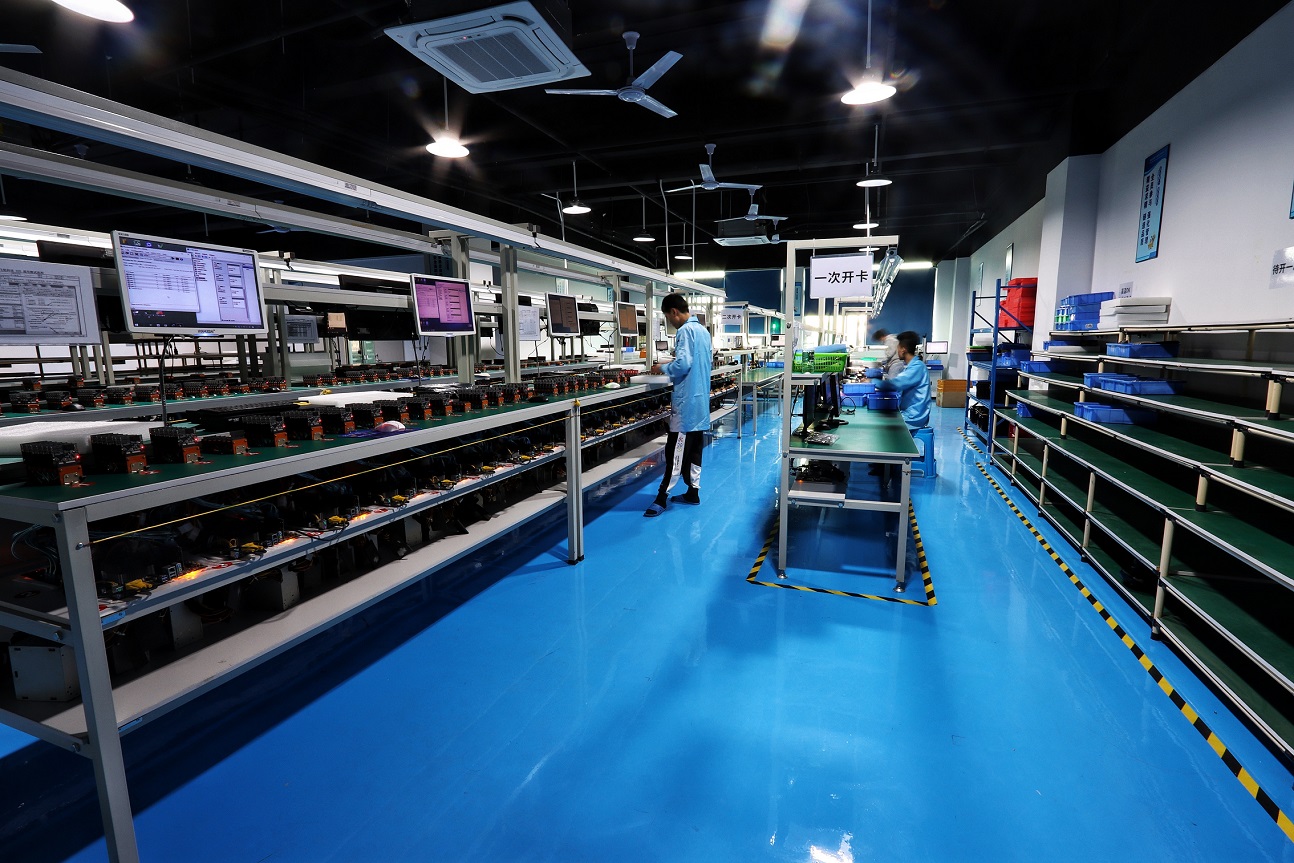
Leading factories employ automated test benches that perform 100% testing on parameters such as continuity, insulation resistance, and dielectric withstanding voltage, preventing defective components from entering the market.
Top-tier suppliers utilize high-density polycarbonate or ABS for unshielded shells, and copper alloy shells plated with nickel for shielded versions. The plastics used must conform to UL 94V-0 flammability standards and comply with RoHS and REACH regulations.
For high-speed categories like Cat6A and Cat8, factories must utilize Network Analyzers to measure insertion loss, return loss, and NEXT up to 500 MHz and 2000 MHz, ensuring that the couplers do not act as bottlenecks in the data path.
How modern manufacturing facilities integrate high-precision passive interfaces with active optical communications.
LumoWave Optical Technology Co., Ltd. is a professional manufacturer specializing in high-performance networking solutions for global data centers, telecom operators, and enterprise networking applications. Built under the brand LumoWave, the company is committed to delivering stable, high-performance, and cost-effective connectivity solutions, ranging from copper interfaces to next-generation optical modules spanning 10G to 800G, including SFP, QSFP, QSFP-DD, and coherent transmission products.
Founded in 2016, LumoWave has developed into a reliable OEM/ODM supplier with a modern production facility covering approximately 320,000㎡. The company generates an annual export revenue of around $12 million, supported by 8 years of export experience and 12 years of industry expertise in optical communication and networking technologies.
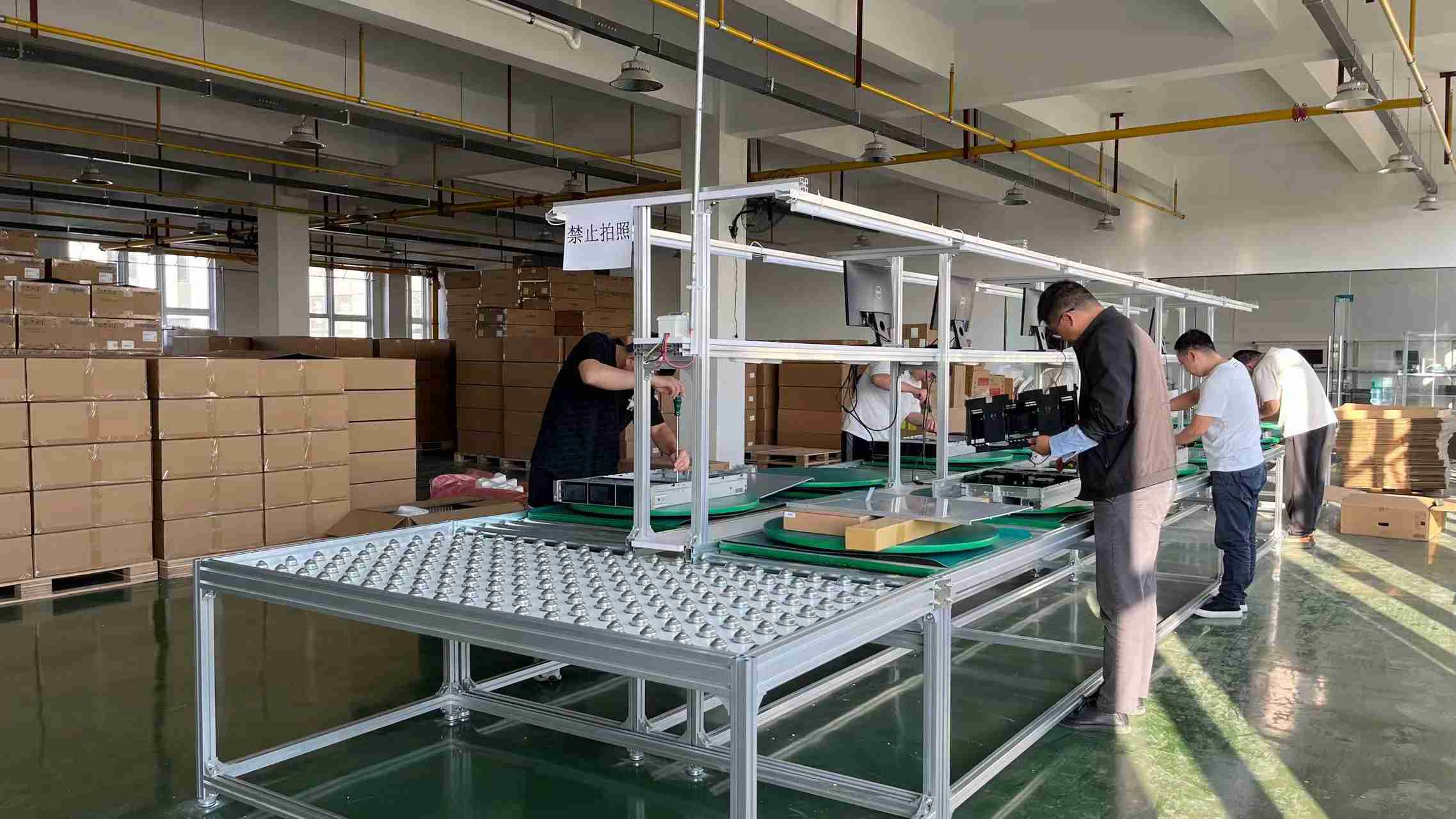
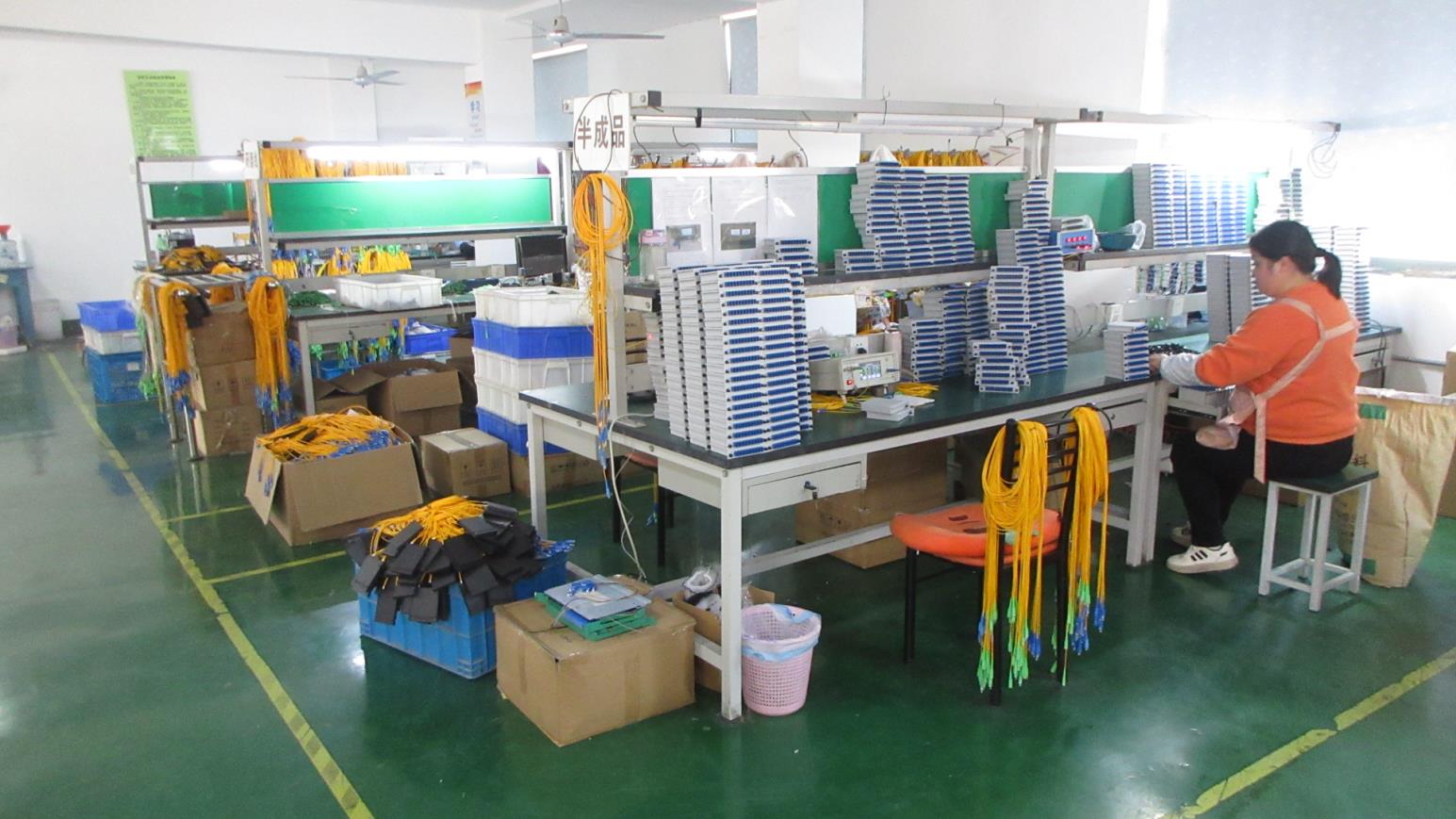
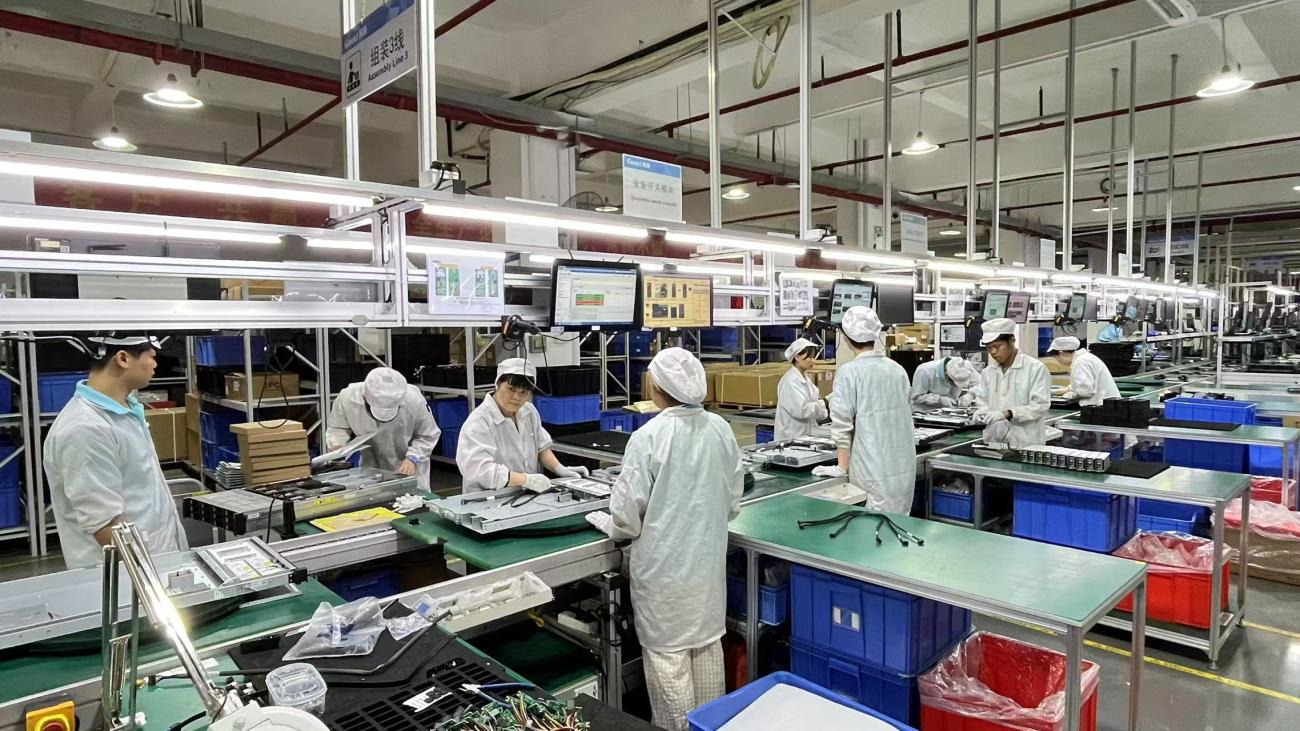

LumoWave operates a comprehensive quality assurance system, including incoming material inspection (IQC), in-process quality control (IPQC), and final product testing (FQC). Advanced testing methods such as optical power testing, BER testing, wavelength accuracy testing, temperature cycling, and aging stress tests are strictly implemented to ensure product reliability. The company employs 45 dedicated quality control personnel to maintain strict compliance with international standards.
With a strong international trade background, LumoWave serves major markets including North America, Europe, Southeast Asia, and the Middle East. Its supply chain ecosystem includes more than 1,200 upstream and downstream partners, supporting highly scalable and flexible production capabilities.
Driven by strong innovation capabilities, LumoWave has a dedicated R&D team of 85 engineers, and released approximately 120 new product designs last year, focusing on next-generation high-speed transmission technologies and energy-efficient optical-copper solutions.
Production Facility
Annual Export Value
R&D Engineers
Supply Chain Partners
Decisive factors for enterprise-level sourcing of RJ45 connectors, couplers, and transceiver components.
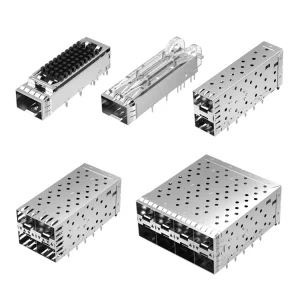
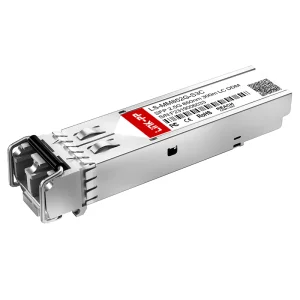
Connectors must seamlessly interface with networking hardware from global manufacturers. SFP modules require EEPROM programming to ensure complete compatibility with Cisco, Juniper, Arista, and HPE systems without throwing errors.
Data center expansion timelines require suppliers to maintain large inventories of raw materials and automated production lines. Agile factories mitigate geopolitical bottlenecks by establishing diversified component supply networks.
Enterprise procurement departments mandate certifications such as ISO 9001 for operational quality, alongside CE, FCC, RoHS, and UL approvals for fire safety and environmental compatibility.
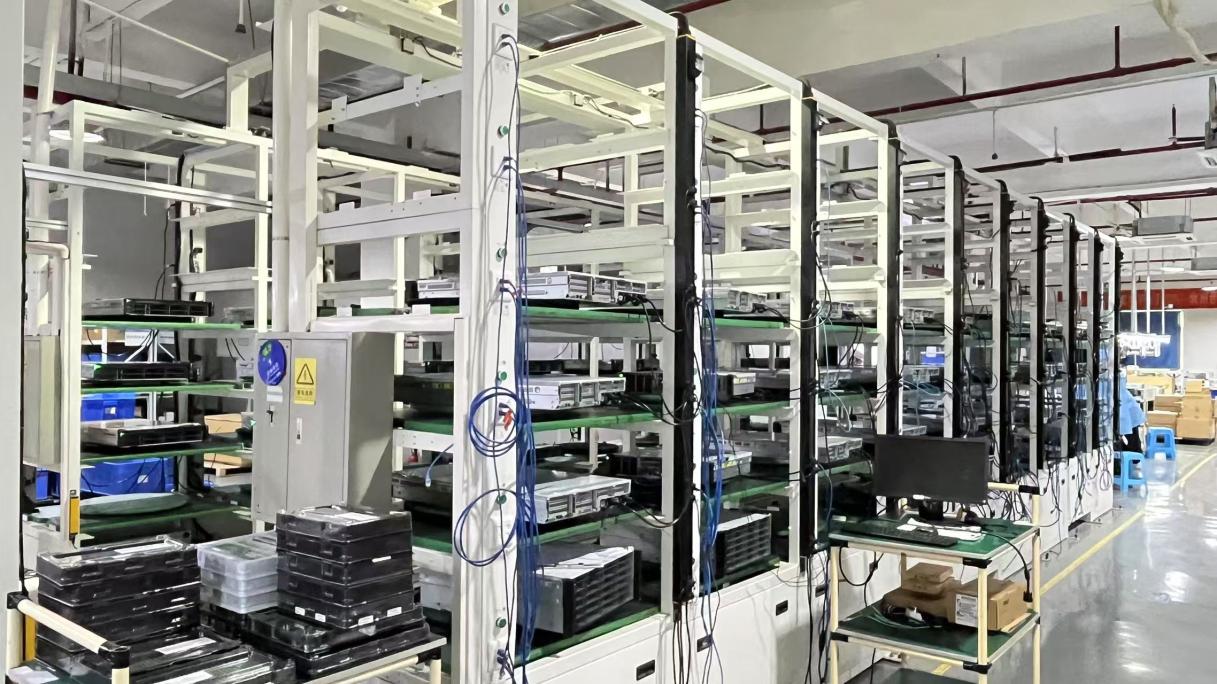
The telecommunications industry is witnessing a structural shift where copper and optical communication systems work in tandem. While multi-gigabit copper connections (such as 2.5G/5G/10G Base-T) dominate the edge access layer and smart buildings, optical fibers carry data center backhaul networks. This hybrid environment demands versatile passive interfaces that can withstand high-bandwidth workloads.
"The future of structured cabling lies in hybrid architectures where shielded copper feeds edge devices, and optical modules route aggregated data back to the core."
Managing international trade risks and technical compliance across global jurisdictions.
For custom OEM/ODM projects, having local engineering support is invaluable. FAE teams can quickly diagnose impedance matching problems, EMI leaks in SFP cages, or fitment challenges in patch panels, reducing project cycle times.
Navigating tariffs, anti-dumping regulations, and strict technical norms requires specialized knowledge. Working with manufacturers that maintain transparent audit histories and clean customs clearance documentation ensures uninterrupted supply lines.
Answers to engineering and sourcing questions regarding RJ45 couplers and connectors.
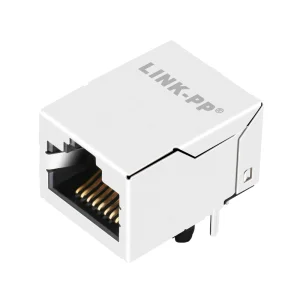
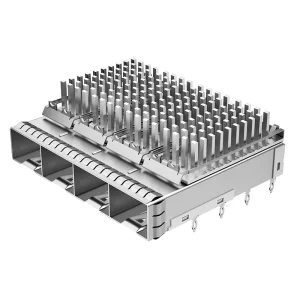
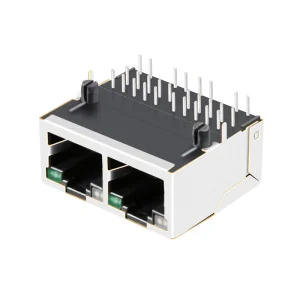
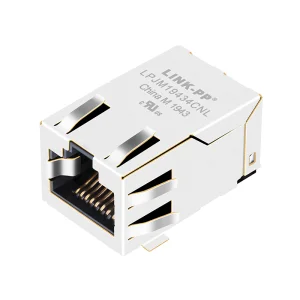
Essential hardware options for data transmission infrastructure, modular assemblies, and fiber-to-copper media links.
 LumoWave